
Del i serien Routledge Explorations in Environmental Studies
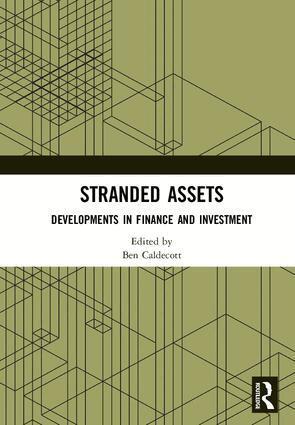
Stranded Assets and the Environment
Risk, Resilience and Opportunity
Inbunden, Engelska, 2018
3 279 kr
Beställningsvara. Skickas inom 10-15 vardagar. Fri frakt för medlemmar vid köp för minst 249 kr.
Finns i fler format (1)
Drawing on the work of leading researchers and practitioners from a range of disciplines, including economic geography, economics, economic history, finance, law, and public policy, this edited collection provides a comprehensive assessment of stranded assets and the environment, covering the fundamental issues and debates, including climate change and societal responses to environmental change, as well as its origins and theoretical basis. The volume provides much needed clarity as the discourse on stranded assets gathers further momentum. In addition to drawing on scholarly contributions, there are chapters from practitioners and analysts to provide a range of critical perspectives. While chapters have been written as important standalone contributions, the book is intended to systematically take the reader through the key dimensions of stranded assets as a topic of research inquiry and practice. The work adopts a broad based social science perspective for setting out what stranded assets are, why they are relevant, and how they might inform the decision-making of firms, investors, policymakers, and regulators. The topic of stranded assets is inherently multi-disciplinary, cross-sectoral, and multi-jurisdictional and the volume reflects this diversity. This book will be of great relevance to scholars, practitioners and policymakers with an interest in include economics, business and development studies, climate policy and environmental studies in general.
Produktinformation
- Utgivningsdatum2018-05-10
- Mått156 x 234 x 24 mm
- Vikt658 g
- FormatInbunden
- SpråkEngelska
- SerieRoutledge Explorations in Environmental Studies
- Antal sidor340
- FörlagTaylor & Francis Ltd
- ISBN9781138120600
Tillhör följande kategorier
Hoppa över listan
Mer från samma serie
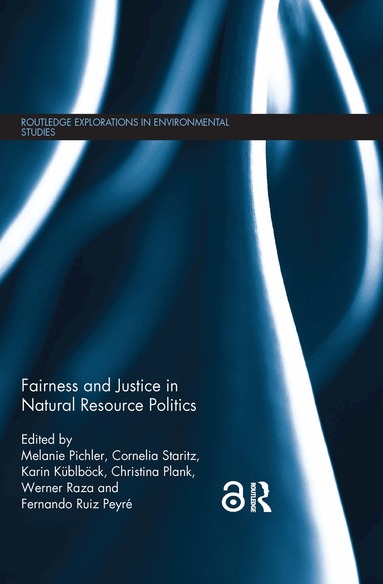
Fairness and Justice in Natural Resource Politics
Melanie Pichler, Cornelia Staritz, Karin Küblböck, Christina Plank, Werner Raza, Fernando Ruiz Peyré
Häftad, 2019
979 kr
Hoppa över listan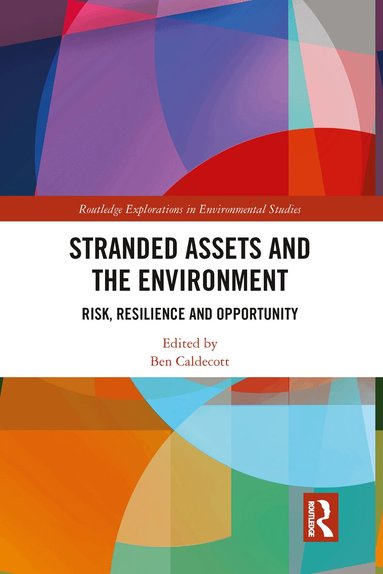




Du kanske också är intresserad av
- Nyhet
Del 7
- Nyhet
Del 4
- Nyhet
Del 6
- Nyhet
Del 3
- Nyhet
Del 11
- Nyhet