
Del i serien Material Texts
Shakespeare's First Reader
The Paper Trails of Richard Stonley
Inbunden, Engelska, 2019
779 kr
Beställningsvara. Skickas inom 10-15 vardagar. Fri frakt för medlemmar vid köp för minst 249 kr.
Richard Stonley has all but vanished from history, but to his contemporaries he would have been an enviable figure. A clerk of the Exchequer for more than four decades under Mary Tudor and Elizabeth I, he rose from obscure origins to a life of opulence; his job, a secure bureaucratic post with a guaranteed income, was the kind of which many men dreamed. Vast sums of money passed through his hands, some of which he used to engage in moneylending and land speculation. He also bought books, lots of them, amassing one of the largest libraries in early modern London.In 1597, all of this was brought to a halt when Stonley, aged around seventy-seven, was incarcerated in the Fleet Prison, convicted of embezzling the spectacular sum of £13,000 from the Exchequer. His property was sold off, and an inventory was made of his house on Aldersgate Street. This provides our most detailed guide to his lost library. By chance, we also have three handwritten volumes of accounts, in which he earlier itemized his spending on food, clothing, travel, and books. It is here that we learn that on June 12, 1593, he bought "the Venus & Adhonay per Shakspere"-the earliest known record of a purchase of Shakespeare's first publication.In Shakespeare's First Reader, Jason Scott-Warren sets Stonley's journals and inventories of goods alongside a wealth of archival evidence to put his life and library back together again. He shows how Stonley's books were integral to the material worlds he inhabited and the social networks he formed with communities of merchants, printers, recusants, and spies. Through a combination of book history and biography, Shakespeare's First Reader provides a compelling "bio-bibliography"-the story of how one early modern gentleman lived in and through his library.
Produktinformation
- Utgivningsdatum2019-10-18
- Mått152 x 229 x 32 mm
- Vikt694 g
- FormatInbunden
- SpråkEngelska
- SerieMaterial Texts
- Antal sidor344
- FörlagUniversity of Pennsylvania Press
- ISBN9780812251456
Tillhör följande kategorier
Hoppa över listan
Mer från samma författare
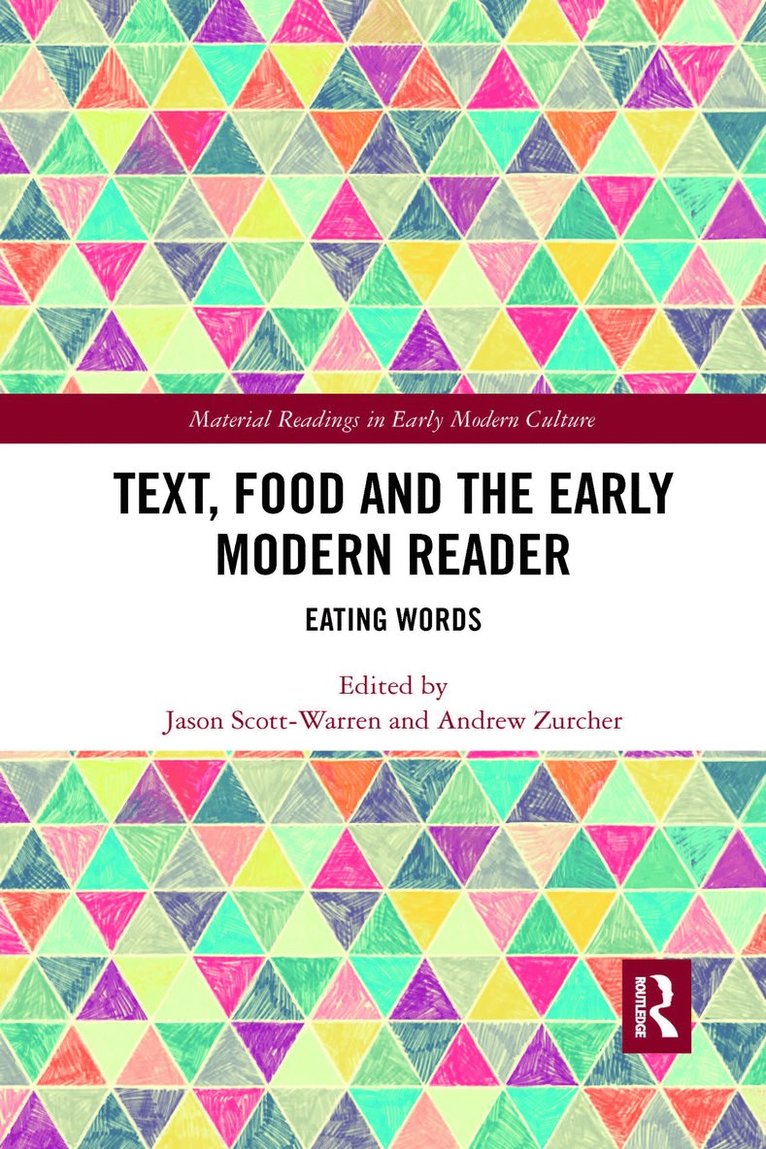
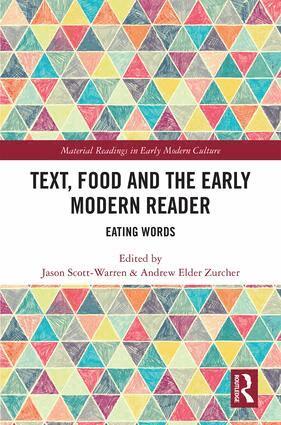
Text, Food and the Early Modern Reader
Jason Scott-Warren, Andrew Elder Zurcher
Inbunden, 2018
3 629 kr
Hoppa över listan


Mer från samma serie
Devil in the Holy Water, or the Art of Slander from Louis XIV to Napoleon
Robert Darnton
Häftad, 2011
659 kr
Hoppa över listan



Du kanske också är intresserad av
Text, Food and the Early Modern Reader
Jason Scott-Warren, Andrew Elder Zurcher
Inbunden, 2018
3 629 kr
- Nyhet
Del 1

Del 1
- Nyhet