
Del i serien Anglo-Italian Renaissance Studies
Shakespeare and the Visual Arts
The Italian Influence
Inbunden, Engelska, 2017
3 629 kr
Beställningsvara. Skickas inom 10-15 vardagar. Fri frakt för medlemmar vid köp för minst 249 kr.
Finns i fler format (1)
Critical investigation into the rubric of 'Shakespeare and the visual arts' has generally focused on the influence exerted by the works of Shakespeare on a number of artists, painters, and sculptors in the course of the centuries. Drawing on the poetics of intertextuality and profiting from the more recent concepts of cultural mobility and permeability between cultures in the early modern period, this volume’s tripartite structure considers instead the relationship between Renaissance material arts, theatre, and emblems as an integrated and intermedial genre, explores the use and function of Italian visual culture in Shakespeare’s oeuvre, and questions the appropriation of the arts in the production of the drama of Shakespeare and his contemporaries. By studying the intermediality between theatre and the visual arts, the volume extols drama as a hybrid genre, combining the figurative power of imagery with the plasticity of the acting process, and explains the tri-dimensional quality of the dramatic discourse in the verbal-visual interaction, the stagecraft of the performance, and the natural legacy of the iconographical topoi of painting’s cognitive structures. This methodolical approach opens up a new perspective in the intermedial construction of Shakespearean and early modern drama, extending the concept of theatrical intertextuality to the field of pictorial arts and their social-cultural resonance. An afterword written by an expert in the field, a rich bibliography of primary and secondary literature, and a detailed Index round off the volume.
Produktinformation
- Utgivningsdatum2017-02-22
- Mått152 x 229 x 29 mm
- Vikt940 g
- FormatInbunden
- SpråkEngelska
- SerieAnglo-Italian Renaissance Studies
- Antal sidor424
- FörlagTaylor & Francis Ltd
- ISBN9781472489234
Tillhör följande kategorier
Hoppa över listan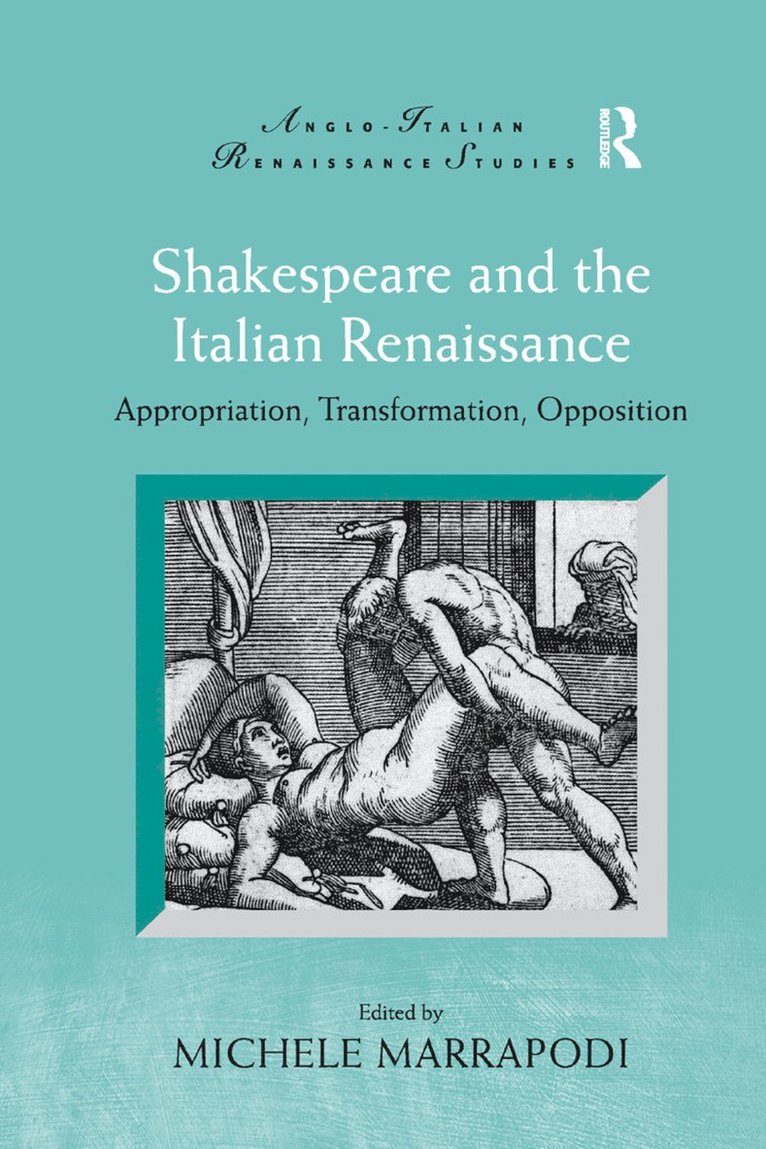


Mer från samma författare
Italian Culture in the Drama of Shakespeare and His Contemporaries
Michele Marrapodi
Inbunden, 2007
4 649 kr
Routledge Research Companion to Anglo-Italian Renaissance Literature and Culture
Michele Marrapodi
Häftad, 2021
1 099 kr
Reader’s Research Guide to Ariosto in Shakespeare’s England
Michele Marrapodi, Stefano Jossa
Inbunden, 2026
3 449 kr
Italian Culture in the Drama of Shakespeare and His Contemporaries
Michele Marrapodi
Häftad, 2016
1 249 kr
Routledge Research Companion to Anglo-Italian Renaissance Literature and Culture
Michele Marrapodi
Inbunden, 2019
5 469 kr
Hoppa över listan
Mer från samma serie
Italian Culture in the Drama of Shakespeare and His Contemporaries
Michele Marrapodi
Inbunden, 2007
4 649 kr
Bibliographical Catalogue of Italian Books Printed in England 1558–1603
Soko Tomita
Inbunden, 2009
4 419 kr
Hoppa över listan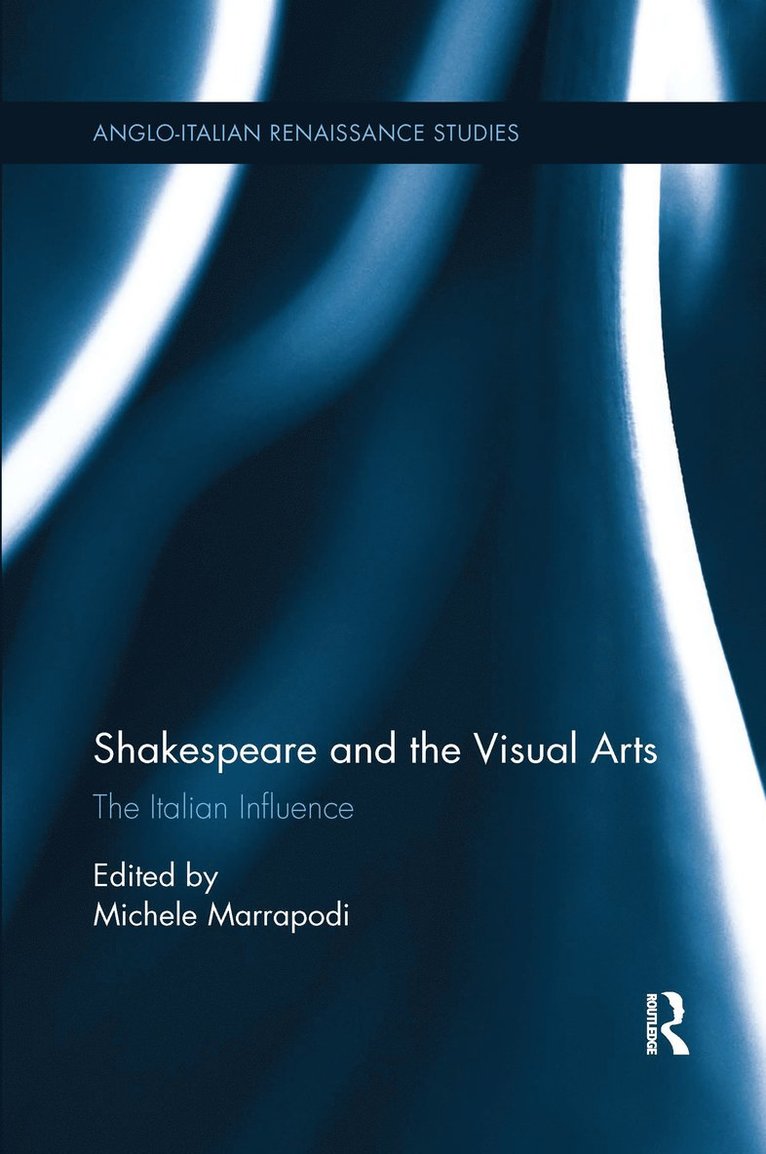

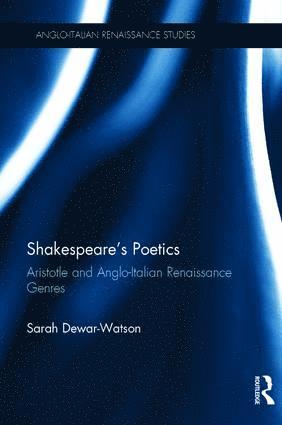
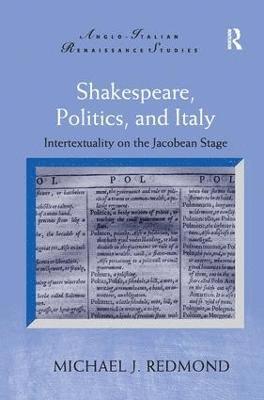
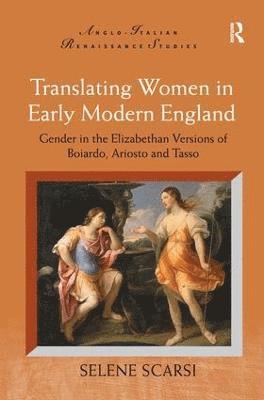

Du kanske också är intresserad av
Moralizing the Italian Marvellous in Early Modern England
Beatrice Fuga, Alessandra Petrina
Häftad, 2026
1 019 kr
Bibliographical Catalogue of Italian Books Printed in England 1558–1603
Soko Tomita
Inbunden, 2009
4 419 kr