
Del i serien Routledge Studies in the Early History of Asia
Self in Late Imperial China
Ramblings Between Nature and Culture
Inbunden, Engelska, 2026
3 209 kr
Beställningsvara. Skickas inom 10-15 vardagar. Fri frakt för medlemmar vid köp för minst 249 kr.
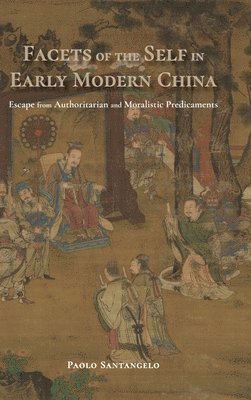
This book reflects on the representation of the self in late imperial China, prior to the influence of Western philosophical paradigms.Examining how early modern Chinese literati and intellectuals conceived of selfhood, with particular attention to emotions, desires, moral sentiments, passions, and the embodied experience of sensory feelings, the book adopts a comparative perspective, engaging directly with Chinese sources while drawing cross-cultural parallels with debates among modern Western thinkers such as Spinoza and Nietzsche. Two key concepts anchor the analysis: the affective world—emotions and dispositions (qing)—and authenticity (zhen), which underpinned what some scholars have termed the “cult of qing.” The study explores how these ideas reshaped notions of the self, revealing tensions between natural impulses and moral cultivation.Engaging with both Chinese sources and modern Western thinkers, this book will be a valuable resource to students and scholars of Intellectual history, Chinese history and culture, and History of ideas.
Produktinformation
- Utgivningsdatum2026-07-27
- Mått156 x 234 x 21 mm
- Vikt830 g
- FormatInbunden
- SpråkEngelska
- SerieRoutledge Studies in the Early History of Asia
- Antal sidor350
- FörlagTaylor & Francis Ltd
- ISBN9781041267683
Tillhör följande kategorier
Hoppa över listan
Mer från samma författare
Del 1
Materials for an Anatomy of Personality in Late Imperial China
Paolo Santangelo
Inbunden, 2010
5 669 kr
Del 2
From Skin to Heart: Perceptions of Emotions and Bodily Sensations in Traditional Chinese Culture
Paolo Santangelo
Häftad
1 829 kr
Hoppa över listan

Mer från samma serie
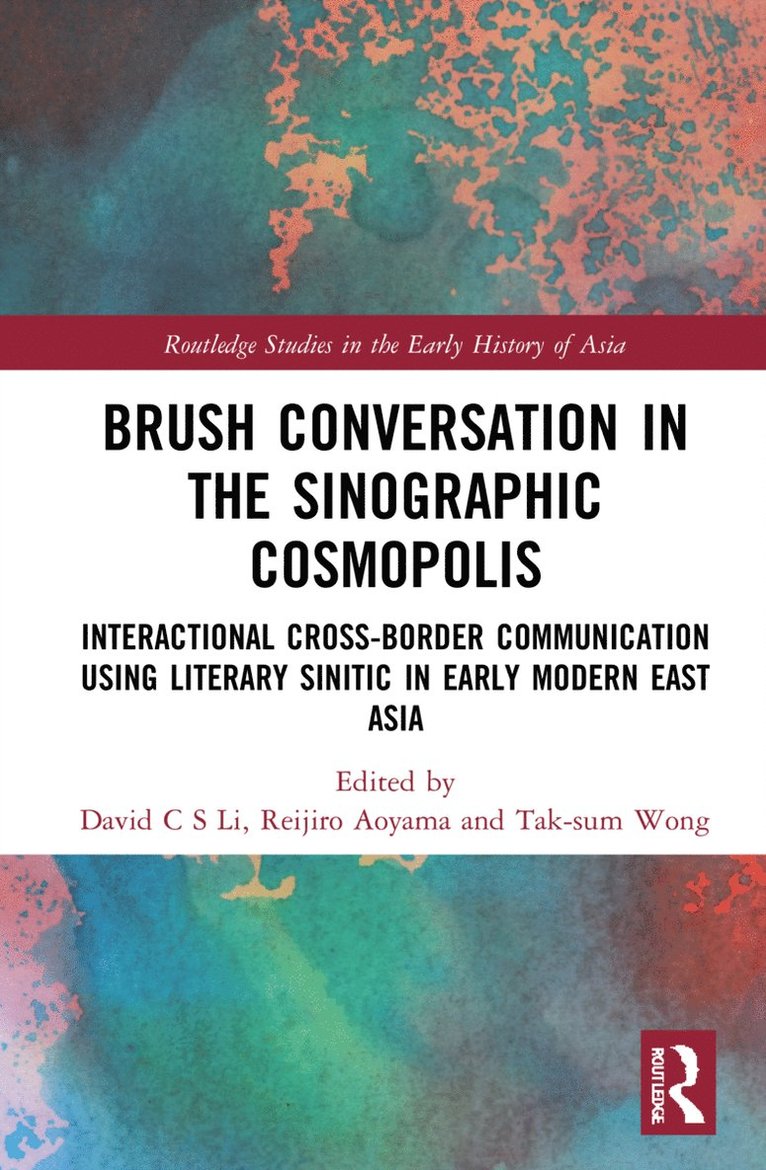
Brush Conversation in the Sinographic Cosmopolis
David C. S. Li, Reijiro Aoyama, Tak-sum Wong
Inbunden, 2022
4 499 kr
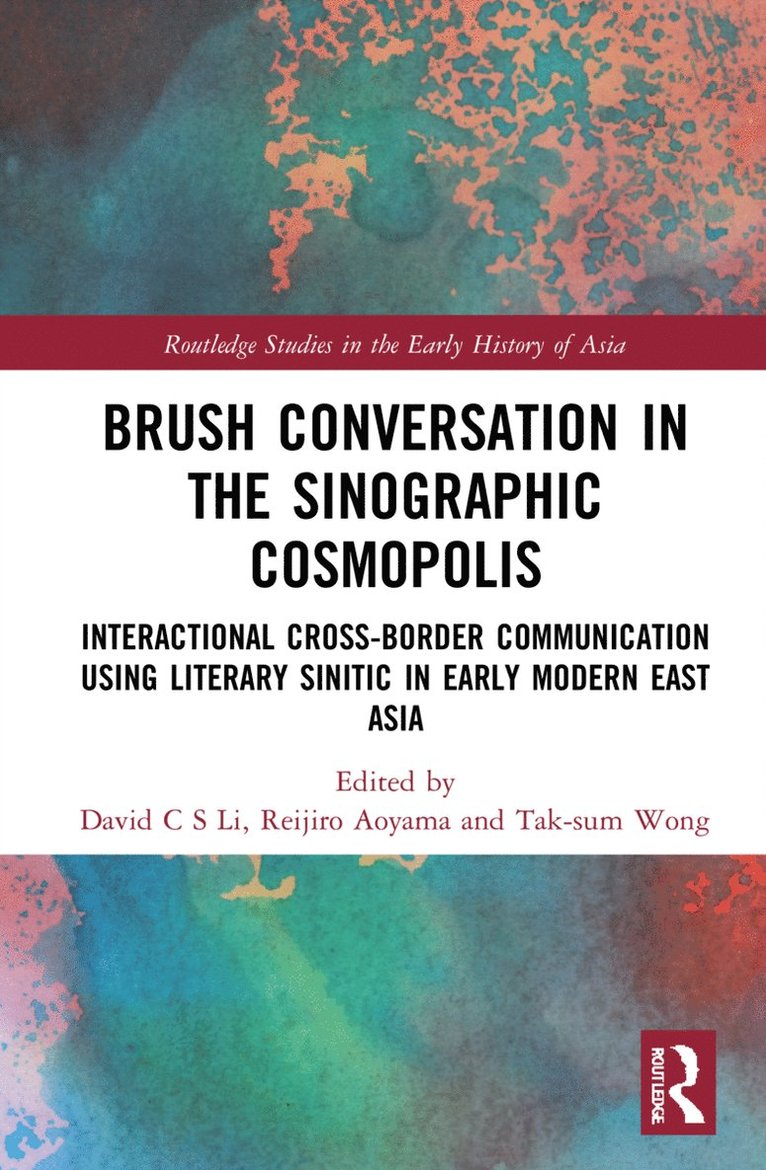
Brush Conversation in the Sinographic Cosmopolis
David C. S. Li, Reijiro Aoyama, Tak-sum Wong
Häftad, 2024
1 019 kr
Hoppa över listan

Du kanske också är intresserad av
Del 2
From Skin to Heart: Perceptions of Emotions and Bodily Sensations in Traditional Chinese Culture
Paolo Santangelo
Häftad
1 829 kr
Del 1
Materials for an Anatomy of Personality in Late Imperial China
Paolo Santangelo
Inbunden, 2010
5 669 kr
- Nyhet
Del 11