
Del i serien Children and Youth in Popular Culture
Screening Children in Post-apocalypse Film and Television
Inbunden, Engelska, 2023
1 459 kr
Beställningsvara. Skickas inom 10-15 vardagar. Fri frakt för medlemmar vid köp för minst 249 kr.
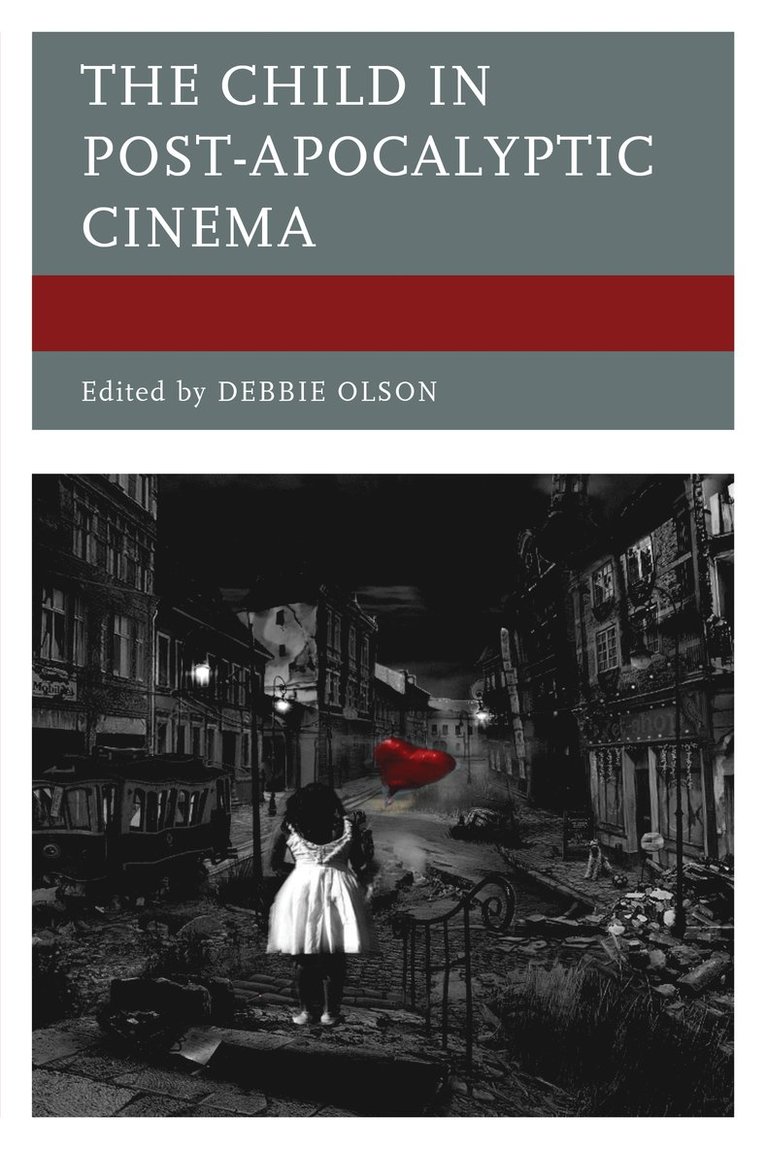
This collection examines the child’s role in contemporary post-apocalyptic films and television.. By exploring the function of child characters within a dystopian framework, this volume illustrates how traditional notions of childhood are tethered to sites of adult conflict and disaster, a connection that often works to reaffirm the “rightness” of past systems of social order.
Produktinformation
- Utgivningsdatum2023-11-16
- Mått160 x 236 x 20 mm
- Vikt503 g
- FormatInbunden
- SpråkEngelska
- SerieChildren and Youth in Popular Culture
- Antal sidor232
- FörlagBloomsbury Publishing Plc
- ISBN9781666918670
Tillhör följande kategorier
Hoppa över listan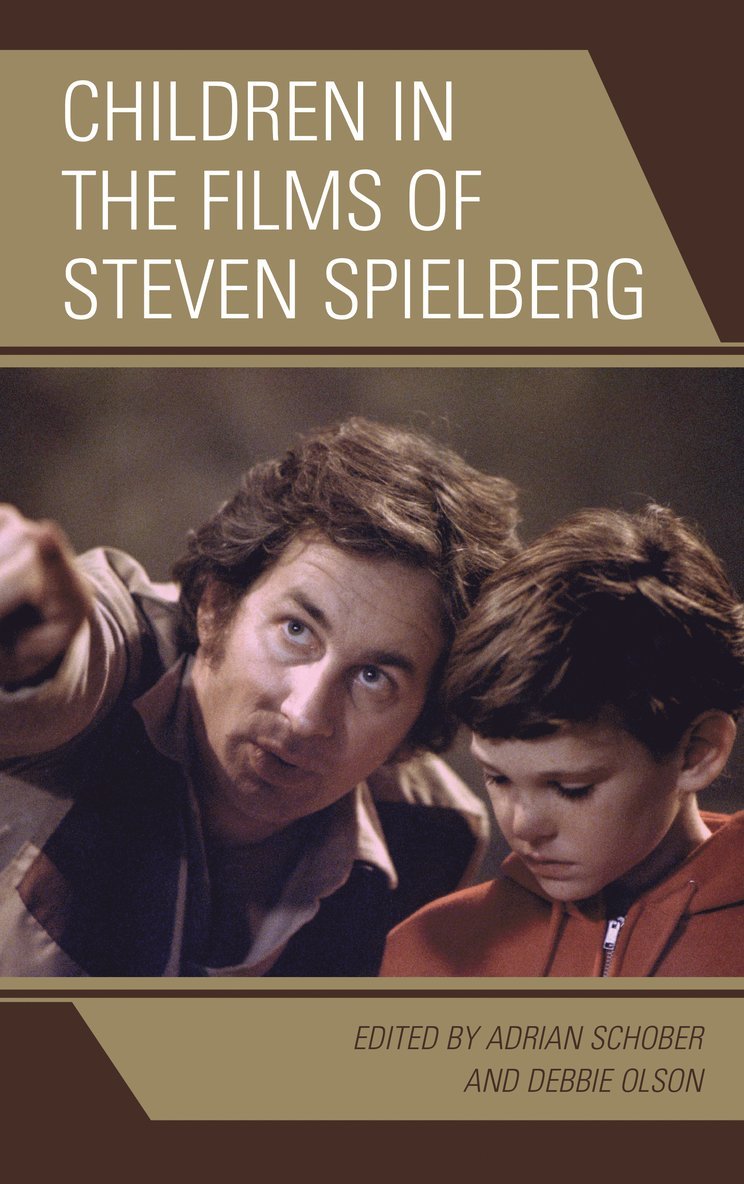




Du kanske också är intresserad av
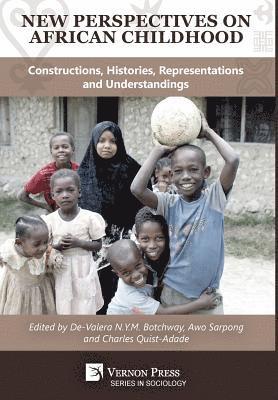
New Perspectives on African Childhood
Charles Quist-Adade, De-Valera NYM Botchway, Tammy Hughes, Zethu Cakata, Awo Sarpong, Debbie Olson, Ivo Mhike, Komlan Agbedahin, Mawuloe Koffi Kodah, Mofeyisara Oluwatoyin Omobowale, Olukemi K. Amodu, Waganesh A. Zeleke, Richard Awubomu, Samuel Bewiadzi, Andrea Y. Adomako, Natalie Drozda, Charles Quist-Adade, Awo Sarpong, De-Valera NYM Botchway
Inbunden, 2019
979 kr