
Science Writing in the Romantic Era 1770-1837
- Nyhet
Volume III: Forces
Inbunden, Engelska, 2026
2 869 kr
Beställningsvara. Skickas inom 10-15 vardagar. Fri frakt för medlemmar vid köp för minst 249 kr.
Finns i fler format (3)
These areas of enquiry were related in the period: the chemical changes produced by heat were the subject of intense investigation in an effort to provide a comprehensive account of why and how substances combined. Priestley’s isolation of gases was made under the aegis of a phlogiston theory; this was superseded by Lavoisier’s caloric theory, which was in turn undermined by Davy’s discovery of chlorine’s role in reactions. New gases were discovered – oxygen, carbon dioxide, nitrous oxide; photosynthesis was postulated; infrared and ultraviolet rays were detected. The Voltaic pile was a spectacular instrument for harnessing electricity – Davy used it to decompose substances, reveal unknown elements, and show that substances were bonded by electrochemical forces. Dalton codified the operation of these forces – and the structure of matter – in his atomic theory. Meanwhile Herschel, when not detecting infra red, was observing previously invisible points of light in the heavens with improved telescopes, while Young was proposing a wave theory of light. Towards the end of the period, Oersted and then Faraday began the pioneering work on electromagnetism that changed understanding of the interaction of forces and enabled the construction of the electric motor.
Produktinformation
- Utgivningsdatum2026-10-21
- Mått156 x 234 x 29 mm
- Vikt1 130 g
- FormatInbunden
- SpråkEngelska
- SerieNineteenth-Century Science, Technology and Medicine: Sources and Documents
- Antal sidor514
- FörlagTaylor & Francis Ltd
- ISBN9781041350996
Tillhör följande kategorier
Hoppa över listan

Mer från samma författare
Del 30
Landscape, Liberty and Authority
Tim Fulford, Howard Erskine-Hill, John J. Richetti
Häftad, 2006
999 kr
Del 60
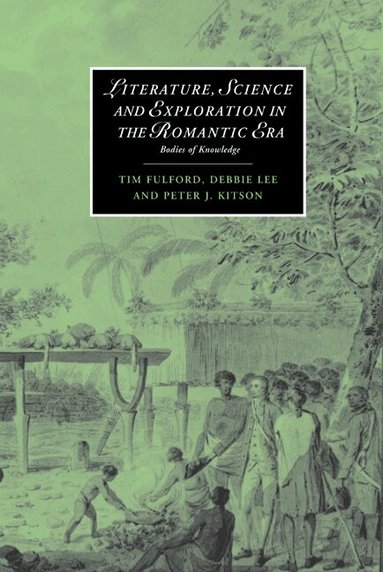
Literature, Science and Exploration in the Romantic Era
Tim Fulford, Debbie Lee, Peter J. Kitson
Häftad, 2007
1 069 kr
Del 30
Del 60
Literature, Science and Exploration in the Romantic Era
Tim Fulford, Debbie Lee, Peter J. Kitson
Inbunden, 2004
2 309 kr
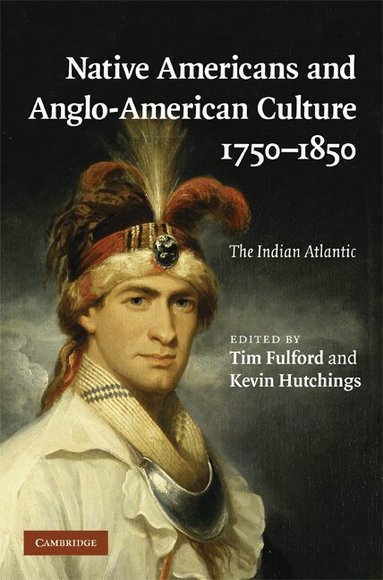
Native Americans and Anglo-American Culture, 1750-1850
Tim Fulford, Kevin Hutchings
Inbunden, 2009
1 519 kr
- Nyhet
Del 141
Del 141
Hoppa över listan


Du kanske också är intresserad av
- Nyhet
- Nyhet
- Nyhet
- Nyhet
Physical Disability and Deformity in Nineteenth-Century Britain
Claire L. Jones
Inbunden, 2026
2 869 kr
- Nyhet