
Del i serien Advances in Mental Health Research
Schizotypy
New dimensions
Häftad, Engelska, 2017
909 kr
Beställningsvara. Skickas inom 10-15 vardagar. Fri frakt för medlemmar vid köp för minst 249 kr.
For several decades there has been an increasing move towards viewing the psychotic illnesses from a dimensional perspective, seeing them as continuous with healthy functioning. The idea, concentrating mostly on schizophrenia, has generated considerable theoretical debate as well as empirical research, conducted under the rubric of 'schizotypy'. This book offers a timely discussion of the most significant themes and developments in this research area.Divided into four key sections which represent current concerns in schizotypy research – Measurement, Brain and Biology; Development and Environment; Consequences and Outcomes; and Future Directions – chapters reflect a broad range of approaches and discuss varied theoretical perspectives on schizotypy. Topics include: cognitive and perceptual biases psychometric assessments creativity and schizotypy genetic associations. developmental perspectives Schizotypy: New dimensions will appeal to academics, researchers and postgraduate students in the area of psychotic illnesses, as well as professionals including psychiatrists and clinical psychologists who are concerned with the basis of serious mental disorder. The book will inform readers who are new to the topic and will update and expand the knowledge base of those more experienced in the field.
Produktinformation
- Utgivningsdatum2017-12-21
- Mått156 x 234 x 19 mm
- Vikt470 g
- FormatHäftad
- SpråkEngelska
- SerieAdvances in Mental Health Research
- Antal sidor256
- FörlagTaylor & Francis Inc
- ISBN9780815356981
Tillhör följande kategorier
Hoppa över listan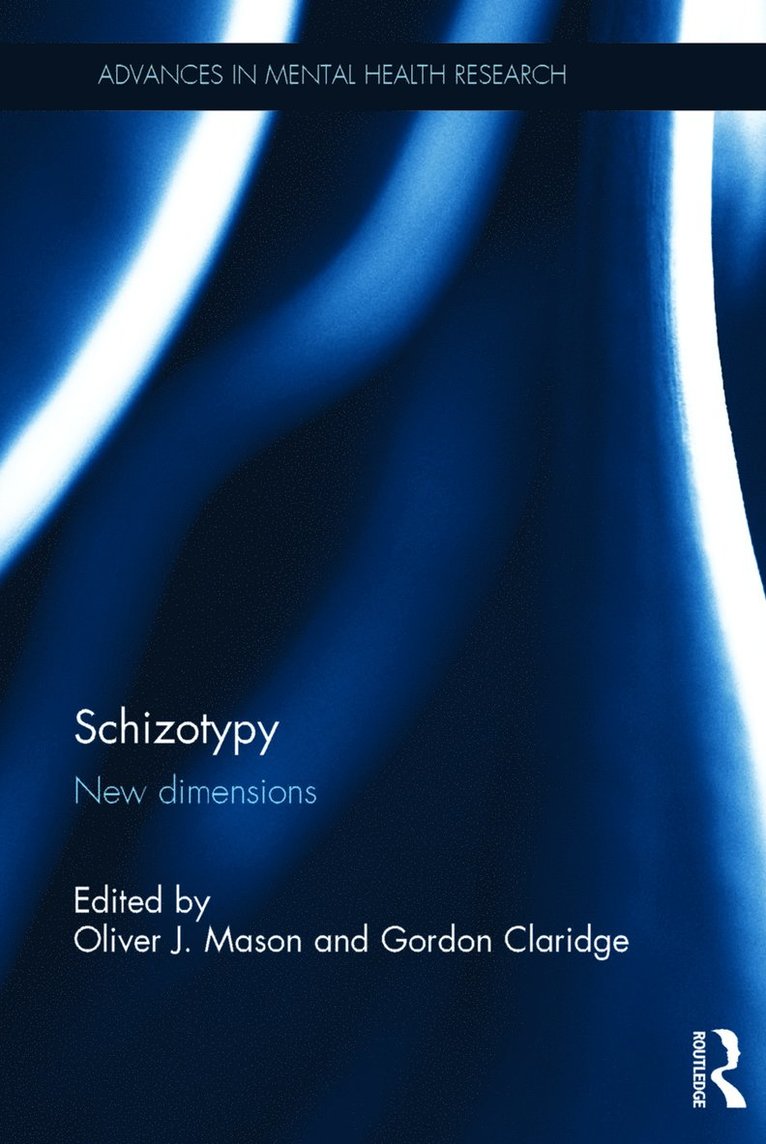









Du kanske också är intresserad av
Counseling and the Resolution of Religious and Spiritual Struggles
Mentanna Campbell
Häftad, 2026
889 kr