
Del 32
Del 25 i serien Villa I Tatti Series
Sassetta
The Borgo San Sepolcro Altarpiece
Inbunden, Engelska, 2009
1 399 kr
Beställningsvara. Skickas inom 5-8 vardagar. Fri frakt för medlemmar vid köp för minst 249 kr.
Sassetta, the subtle genius from Siena, revolutionized Italian painting with an altarpiece for the small Tuscan town of Borgo San Sepolcro in 1437–1444. Originally standing some six yards high, double-sided, with a splendid gilt frame over the main altar of the local Franciscan church, it was the Rolls Royce of early Renaissance painting. But its myriad figures and scenes tempted the collectors of the nineteenth and twentieth centuries, and today its disassembled panels can be found in twelve museums throughout Europe and the United States. To produce this landmark volume, experts in art and general history, painting technique and conservation, woodworking, architecture, and liturgy have joined forces across the boundaries of eight different nations. A model of collaboration, it opens new windows onto the creative process of the artist as he confronted a late-medieval church at a crossroad of cultures, the miracle-working body of a holy man, and a community of Franciscan friars breathing the exhilarating air of reform. To confront such challenges, Sassetta raised the most spiritual school of early Italian art, the Sienese, to a higher level of understanding, grace, and splendor.
Produktinformation
- Utgivningsdatum2009-12-01
- Mått333 x 253 x 68 mm
- Vikt4 940 g
- FormatInbunden
- SpråkEngelska
- SerieVilla I Tatti Series
- Antal sidor624
- FörlagHarvard University Press
- ISBN9780674035232
Tillhör följande kategorier
Hoppa över listan


Mer från samma serie
Del 34
Del 35
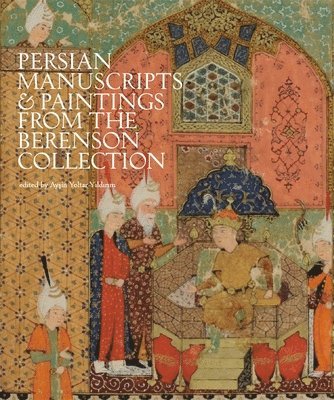
Persian Manuscripts & Paintings from the Berenson Collection
Ayşin Yoltar-Yıldırım
Inbunden, 2022
589 kr
Del 36
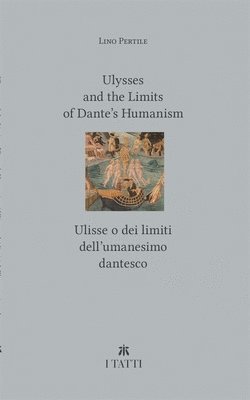
Ulysses and the Limits of Dante’s Humanism / Ulisse o dei limiti dell’umanesimo dantesco
Lino Pertile
Häftad, 2023
189 kr
- Nyhet
Del 38
Del 31
Del 33
Hoppa över listan
Du kanske också är intresserad av
Del 36
Ulysses and the Limits of Dante’s Humanism / Ulisse o dei limiti dell’umanesimo dantesco
Lino Pertile
Häftad, 2023
189 kr
Del 33
- Nyhet
Del 7
Del 34
Del 31
Del 35
Persian Manuscripts & Paintings from the Berenson Collection
Ayşin Yoltar-Yıldırım
Inbunden, 2022
589 kr
- Nyhet
Del 38
Del 32
- Nyhet
Del 3