
Russia in the Early Modern World
The Continuity of Change
Häftad, Engelska, 2023
629 kr
Beställningsvara. Skickas inom 10-15 vardagar. Fri frakt för medlemmar vid köp för minst 249 kr.
Finns i fler format (1)
A fundamental problem in studying early modern Russian history is determining Russia’s historical development in relationship to the rest of the world. The focus throughout this book is on the continuity of Russian policies during the early modern period (1450–1800) and that those policies coincided with those of other successful contemporary Eurasian polities. The continuities occurred in the midst of constant change, but neither one nor the other, continuities or changes alone, can account for Russia’s success. Instead, Russian rulers from Ivan III to Catherine II with their hub advisors managed to sustain a balance between the two. During the early modern period, these Russian rulers invited into the country foreign experts to facilitate the transfer of technology and know-how, mostly from Europe but also from Asia. In this respect, they were willing to look abroad for solutions to domestic problems. Russia looked westward for military weaponry and techniques at the same time it was expanding eastward into the Eurasian heartland. The ruling elite and by extension the entire ruling class worked in cooperation with the ruler to implement policies. The Church played an active role in supporting the government and in seeking to eliminate opposition to the government.
Produktinformation
- Utgivningsdatum2023-08-22
- Mått157 x 230 x 29 mm
- Vikt776 g
- FormatHäftad
- SpråkEngelska
- Antal sidor574
- FörlagBloomsbury Publishing Plc
- ISBN9781793634221
Tillhör följande kategorier
Hoppa över listan
Mer från samma författare
Del 69
Portraits of Medieval Eastern Europe, 900–1400
Donald Ostrowski, Christian Raffensperger
Inbunden, 2017
3 379 kr
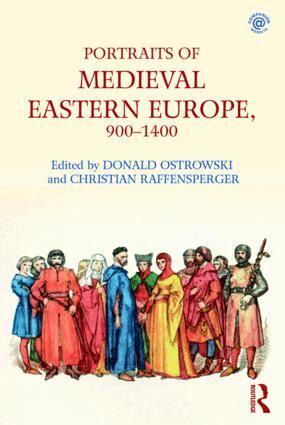
Portraits of Medieval Eastern Europe, 900–1400
Donald Ostrowski, Christian Raffensperger
Häftad, 2017
839 kr
Hoppa över listan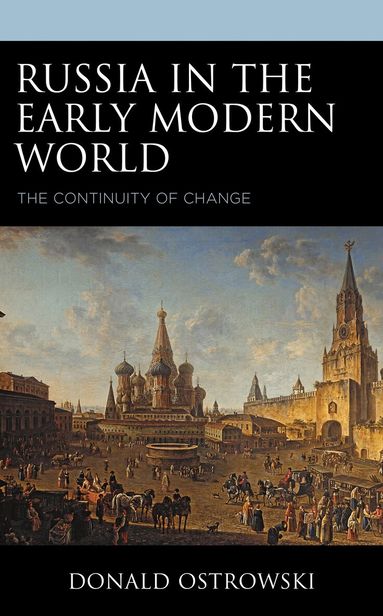
Du kanske också är intresserad av
Del 69
Portraits of Medieval Eastern Europe, 900–1400
Donald Ostrowski, Christian Raffensperger
Inbunden, 2017
3 379 kr
Portraits of Medieval Eastern Europe, 900–1400
Donald Ostrowski, Christian Raffensperger
Häftad, 2017
839 kr
Europe, Byzantium, and the “Intellectual Silence” of Rus’ Culture
Donald Ostrowski
Inbunden, 2025
619 kr