
Del 180
Del 54 i serien Brill's Japanese Studies Library
Rhetoric of Photography in Modern Japanese Literature
Materiality in the Visual Register as Narrated by Tanizaki Jun’ichirō, Abe Kōbō, Horie Toshiyuki and Kanai Mieko
Inbunden, Engelska, 2015
3 089 kr
Beställningsvara. Skickas inom 5-8 vardagar. Fri frakt för medlemmar vid köp för minst 249 kr.
In The Rhetoric of Photography in Modern Japanese Literature, Atsuko Sakaki closely examines photography-inspired texts by four Japanese novelists: Tanizaki Jun’ichirō (1886-1965), Abe Kōbō (1924-93), Horie Toshiyuki (b. 1964) and Kanai Mieko (b. 1947). As connoisseurs, practitioners or critics of this visual medium, these authors look beyond photographs’ status as images that document and verify empirical incidents and existences, articulating instead the physical process of photographic production and photographs’ material presence in human lives. This book offers insight into the engagement with photography in Japanese literary texts as a means of bringing forgotten subject-object dynamics to light. It calls for a fundamental reconfiguration of the parameters of modern print culture and its presumption of the transparency of agents of representation.
Produktinformation
- Utgivningsdatum2015-10-30
- Mått155 x 235 x 21 mm
- Vikt577 g
- FormatInbunden
- SpråkEngelska
- SerieBrill's Japanese Studies Library
- Antal sidor276
- FörlagBrill
- ISBN9789004306196
Tillhör följande kategorier
Hoppa över listan


Mer från samma författare
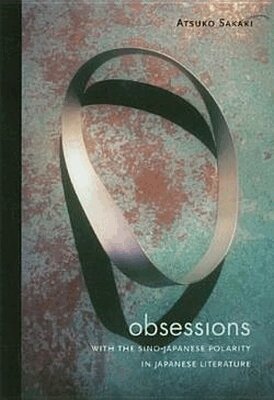
Obsessions with the Sino-Japanese Polarity in Japanese Literature
Atsuko Sakaki
Inbunden, 2005
1 079 kr
Hoppa över listan








Mer från samma serie
Del 12
Japanese Theatre and the International Stage
Stanca Scholz-Cionca, Samuel Leiter
Inbunden, 2000
3 799 kr
Del 13
Del 17
Del 26
Del 21
Del 28
Del 30
Del 31
Del 32
Del 33
Hoppa över listan


Du kanske också är intresserad av
Obsessions with the Sino-Japanese Polarity in Japanese Literature
Atsuko Sakaki
Inbunden, 2005
1 079 kr
Del 180
Del 26
Del 71
Del 42
Del 78