
Reporting War and Conflict
Inbunden, Engelska, 2018
3 199 kr
Beställningsvara. Skickas inom 10-15 vardagar. Fri frakt för medlemmar vid köp för minst 249 kr.
Finns i fler format (1)
Reporting War and Conflict brings together history, theory and practice to explore the issues and obstacles involved in the reporting of contemporary war and conflict. The book examines the radical changes taking place in the working practices and day-to-day routines of war journalists, arguing that managing risk has become central to modern war correspondence. How individual reporters and news organisations organise their coverage of war and conflict is increasingly shaped by a variety of personal, professional and institutional risks. The book provides an historical and theoretical context to risk culture and the work of war correspondents, paying particular attention to the changing nature of technology, organisational structures and the role of witnessing. The conflicts in Iraq, Afghanistan and Syria are examined to highlight how risk and the calculations of risk vary according to the type of conflict. The focus is on the relationship between propaganda, censorship, the sourcing of information and the challenges of reporting war in the digital world. The authors then move on to discuss the arguments around risk in relation to gender and war reporting and the coverage of death on the battlefield. Reporting War and Conflict is a guide to the contemporary changes in warfare and the media environment that have influenced war reporting. It offers students and researchers in journalism and media studies an invaluable overview of the life of a modern war correspondent.
Produktinformation
- Utgivningsdatum2018-09-11
- Mått156 x 234 x 15 mm
- Vikt590 g
- FormatInbunden
- SpråkEngelska
- Antal sidor230
- FörlagTaylor & Francis Ltd
- ISBN9780415743679
Tillhör följande kategorier
Hoppa över listan
Mer från samma författare
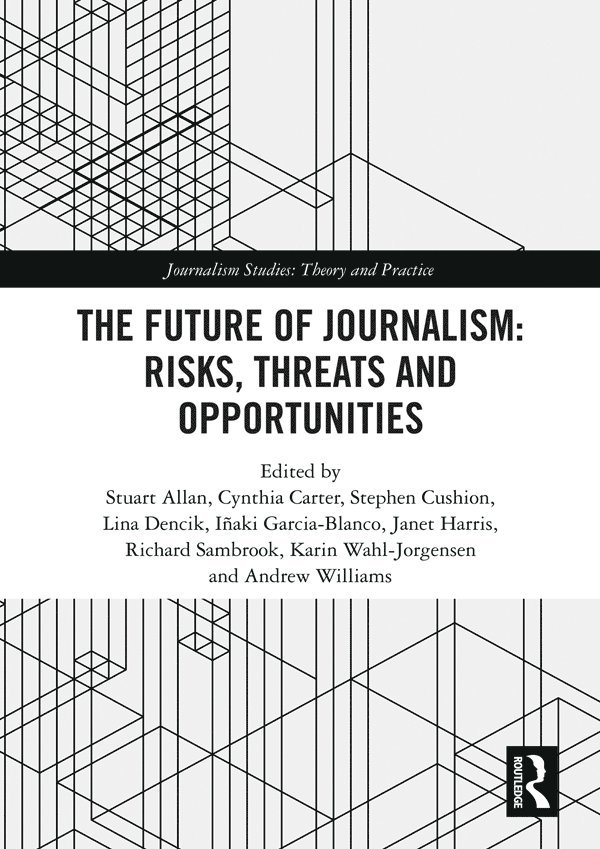
Future of Journalism: Risks, Threats and Opportunities
Stuart Allan, Cynthia Carter, Stephen Cushion, Lina Dencik, Inaki Garcia-Blanco, Janet Harris, Richard Sambrook, Karin Wahl-Jorgensen, Andy Williams
Häftad, 2020
829 kr
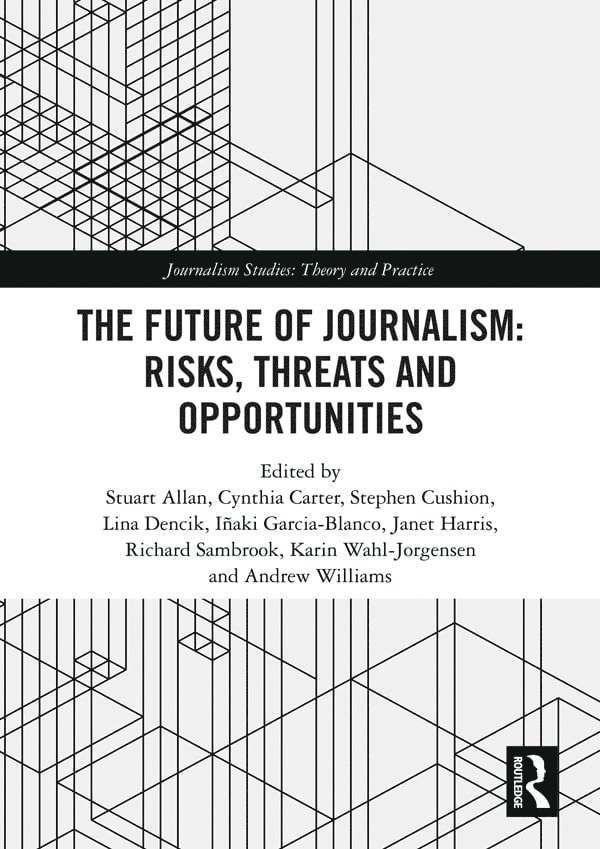
Future of Journalism: Risks, Threats and Opportunities
Stuart Allan, Cynthia Carter, Stephen Cushion, Lina Dencik, Inaki Garcia-Blanco, Janet Harris, Richard Sambrook, Karin Wahl-Jorgensen, Andy Williams
Inbunden, 2018
3 209 kr
Hoppa över listan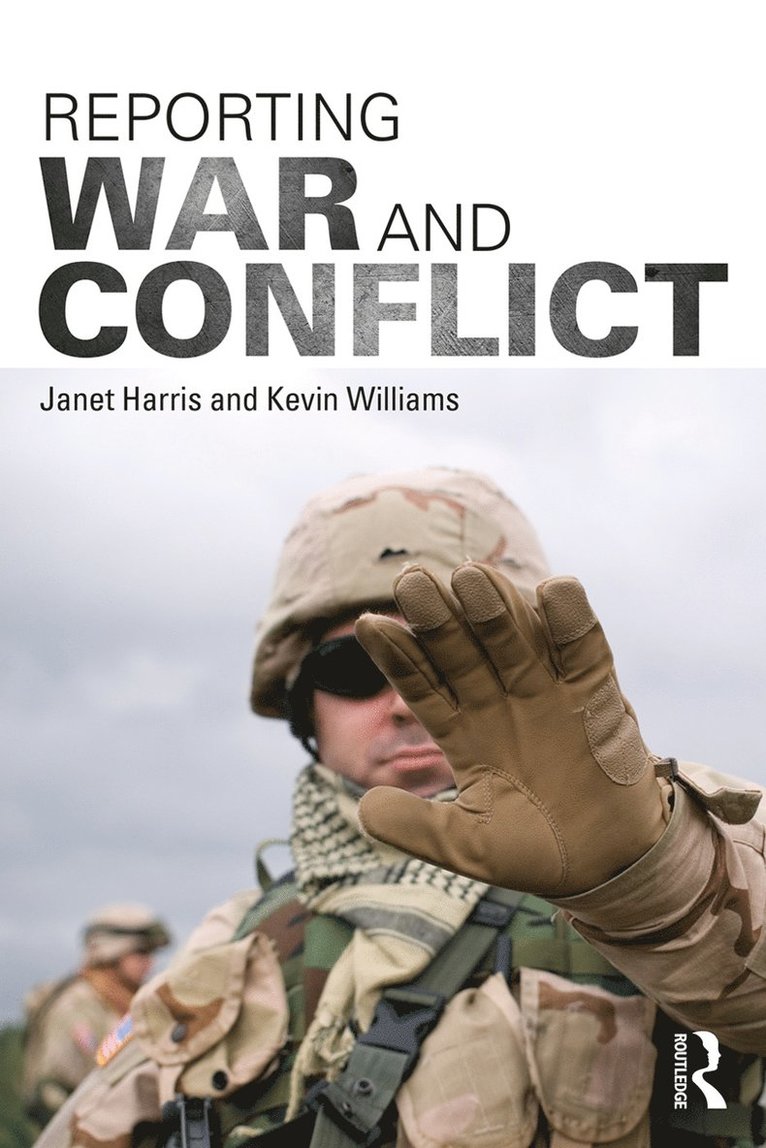





Du kanske också är intresserad av
Future of Journalism: Risks, Threats and Opportunities
Stuart Allan, Cynthia Carter, Stephen Cushion, Lina Dencik, Inaki Garcia-Blanco, Janet Harris, Richard Sambrook, Karin Wahl-Jorgensen, Andy Williams
Häftad, 2020
829 kr
Future of Journalism: Risks, Threats and Opportunities
Stuart Allan, Cynthia Carter, Stephen Cushion, Lina Dencik, Inaki Garcia-Blanco, Janet Harris, Richard Sambrook, Karin Wahl-Jorgensen, Andy Williams
Inbunden, 2018
3 209 kr
- Nyhet
Del 3
- Nyhet
Del 11
- Nyhet
- Nyhet
Del 6
- Nyhet
- Nyhet
Del 4