
Del i serien Bloomsbury Studies in Health Communication
Reifying Women's Experiences with Invisible Illness
Illusions, Delusions, Reality
Inbunden, Engelska, 2017
1 589 kr
Beställningsvara. Skickas inom 10-15 vardagar. Fri frakt för medlemmar vid köp för minst 249 kr.
Reifying Women's Experiences with Invisible Illness: Illusions, Delusions, Reality provides a platform that recognizes that the experience of invisible illness is greatly influenced by context and personal circumstance. The contributors to this book include women who exude diversity as it relates to race and ethnicity, career, religious experience, education, social support, and interpersonal relationships. From recent college graduates to senior level professionals, these women share stories that create a space to advocate on behalf of the individual who is chronically ill rather than focusing on the often privileged perspective of medical professionals.
Produktinformation
- Utgivningsdatum2017-12-20
- Mått159 x 238 x 15 mm
- Vikt386 g
- FormatInbunden
- SpråkEngelska
- SerieBloomsbury Studies in Health Communication
- Antal sidor166
- FörlagBloomsbury Publishing Plc
- ISBN9781498551007
Tillhör följande kategorier
Hoppa över listan








Du kanske också är intresserad av
Mental Health among Higher Education Faculty, Administrators, and Graduate Students
Teresa Heinz Housel
Inbunden, 2021
1 969 kr
Challenging Reproductive Control and Gendered Violence in the Américas
Leandra Hinojosa Hernández, Sarah De Los Santos Upton
Häftad, 2020
699 kr
Communicating Mental Health
Lance R. Lippert, Robert D. Hall, Aimee E. Miller-Ott, Daniel Cochece Davis
Inbunden, 2019
2 119 kr
PCOS Discourses, Symbolic Impacts, and Feminist Rhetorical Disruptions of Institutional Hegemonies
Marissa C. McKinley
Inbunden, 2023
1 359 kr
Mental Health among Higher Education Faculty, Administrators, and Graduate Students
Teresa Heinz Housel
Häftad, 2023
639 kr
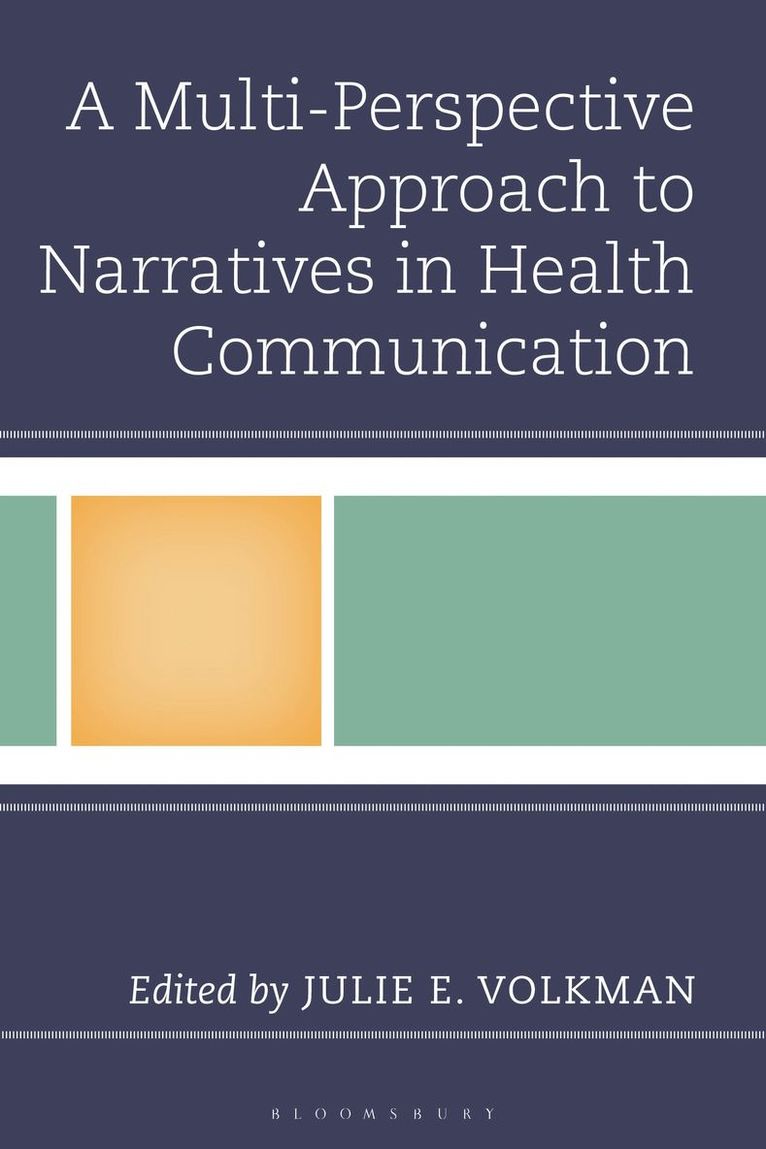
Multi-Perspective Approach to Narratives in Health Communication
Julie E. Volkman
Inbunden, 2025
1 609 kr