
Del i serien Cambridge Texts in the History of Philosophy
Ralph Cudworth: A Treatise Concerning Eternal and Immutable Morality
With A Treatise of Freewill
Inbunden, Engelska, 1996
1 429 kr
Beställningsvara. Skickas inom 5-8 vardagar. Fri frakt för medlemmar vid köp för minst 249 kr.
Finns i fler format (1)
Ralph Cudworth (1617-1688) deserves recognition as one of the most important English seventeenth-century philosophers after Hobbes and Locke. In opposition to Hobbes, Cudworth proposes an innatist theory of knowledge which may be contrasted with the empirical position of his younger contemporary Locke, and in moral philosophy he anticipates the ethical rationalists of the eighteenth century. A Treatise Concerning Eternal and Immutable Morality is his most important work, and this volume makes it available, together with his shorter Treatise of Freewill, with a historical introduction, a chronology of his life, and an essay on further reading.
Produktinformation
- Utgivningsdatum1996-11-07
- Mått152 x 229 x 19 mm
- Vikt550 g
- FormatInbunden
- SpråkEngelska
- SerieCambridge Texts in the History of Philosophy
- Antal sidor256
- FörlagCambridge University Press
- ISBN9780521473620
Tillhör följande kategorier
Hoppa över listan
Mer från samma författare
True Intellectual System of the Universe
John Harrison, Johann Lorenz Mosheim, Ralph Cudworth
Inbunden, 2022
649 kr
True Intellectual System of the Universe
John Harrison, Johann Lorenz Mosheim, Ralph Cudworth
Häftad, 2022
499 kr
True Intellectual System Of The Universe
Ralph Cudworth, Johann Lorenz Von Mosheim
Inbunden, 2022
689 kr
Hoppa över listan
Mer från samma serie
Giordano Bruno: Cause, Principle and Unity
Giordano Bruno, Richard J. Blackwell, Robert de Lucca
Häftad, 1998
699 kr
Hoppa över listan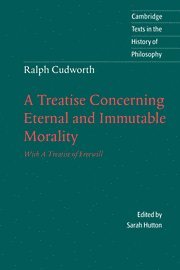
Du kanske också är intresserad av
Ralph Cudworth: A Treatise Concerning Eternal and Immutable Morality
Ralph Cudworth, Sarah Hutton
Häftad, 1996
739 kr
Women Philosophers from the Renaissance to the Enlightenment
Ruth Edith Hagengruber, Sarah Hutton
Häftad, 2023
829 kr
Studies on Locke: Sources, Contemporaries, and Legacy
Sarah Hutton, Paul Schuurman
Häftad, 2010
2 439 kr
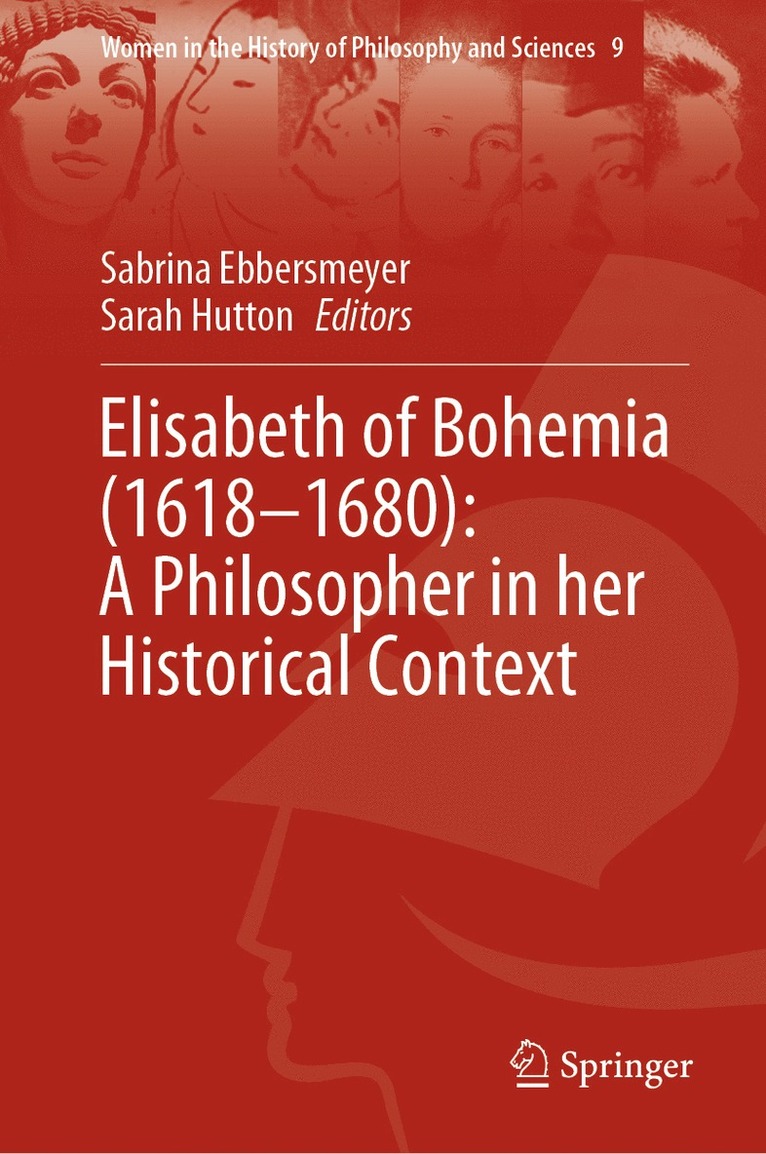
Elisabeth of Bohemia (1618–1680): A Philosopher in her Historical Context
Sabrina Ebbersmeyer, Sarah Hutton
Inbunden, 2021
1 869 kr