
Del 5
Del i serien Building Progressive Alternatives
Pursuing the Knowledge Economy
A Sympathetic History of High-Skill, High-Wage Hubris
Inbunden, Engelska, 2022
1 859 kr
Tillfälligt slut
Finns i fler format (1)
In the 1990s, the "knowledge economy" was hailed by policy-makers in developed democracies as an antidote to the anxieties arising from the era of market liberalization - an era characterized by the decline of skilled blue-collar work, increasing levels of social exclusion and widening regional inequality. The shift to knowledge-driven growth appeared to offer policymakers a way of harnessing technological progress and global economic integration for progressive purposes, and justifying progressive policies in terms of the economic benefits that they would produce.Nick O'Donovan tells the story of how the techno-optimism once associated with the rise of the knowledge economy came to be supplanted by widespread anxiety about technological progress, and how the political consensus that formed around a knowledge-driven growth agenda has unravelled, paving the way for the electoral upheavals experienced by many developed democracies in recent years. By examining the rhetoric and reality of knowledge-driven growth over the last three decades, the book highlights the flawed assumptions underpinning this policy agenda, showing how its economic shortcomings map on to patterns of political discontent evident today. It assesses whether there is scope for rebooting this policy agenda in the wake of the Covid-19 pandemic, or whether politicians will need to reach beyond it if they are to deliver inclusive prosperity and equitable growth in the future.
Produktinformation
- Utgivningsdatum2022-05-26
- Mått156 x 234 x 25 mm
- Vikt494 g
- FormatInbunden
- SpråkEngelska
- SerieBuilding Progressive Alternatives
- Antal sidor240
- FörlagEdinburgh University Press
- ISBN9781788215145
Tillhör följande kategorier
Hoppa över listan









Mer från samma serie
Del 6
Del 23
Europe and the British Left
Owen Parker, Matthew Louis Bishop, Nicole Lindstrom
Inbunden, 2024
1 609 kr
Del 17
Del 13
Political Economy of Industrial Strategy in the UK
Craig Berry, Julie Froud, Tom Barker
Inbunden, 2021
2 039 kr
Del 14
Political Economy of Industrial Strategy in the UK
Craig Berry, Julie Froud, Tom Barker
Häftad, 2021
849 kr
Del 20
Del 26
Del 27
Hoppa över listan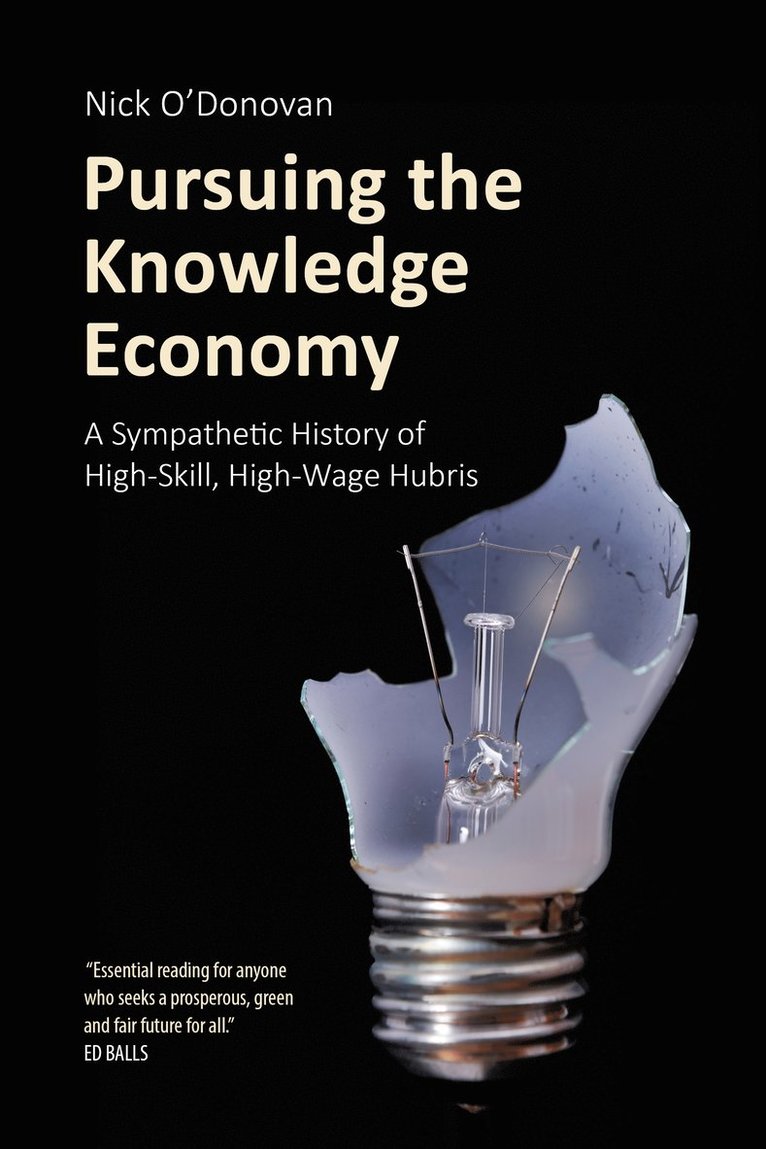




Du kanske också är intresserad av
Del 2
Del 20
Del 39
Del 6
Del 14
Political Economy of Industrial Strategy in the UK
Craig Berry, Julie Froud, Tom Barker
Häftad, 2021
849 kr
Del 26
Del 9
Del 23
Europe and the British Left
Owen Parker, Matthew Louis Bishop, Nicole Lindstrom
Inbunden, 2024
1 609 kr
Del 35