
Psychoanalysis and Literature
The Stories We Live
Inbunden, Engelska, 2015
1 779 kr
Beställningsvara. Skickas inom 10-15 vardagar. Fri frakt för medlemmar vid köp för minst 249 kr.
Psychoanalysis offers many concepts that are extremely useful clinically but not always accessible in the original. In Psychoanalysis and Literature:The Stories We Live, Marilyn Charles pairs case vignettes with examples from literature to highlight the essential human struggles that play out in the consulting room. This pairing depathologizes those struggles and offers a conceptual framework that can help the clinician facilitate these journeys of discovery. Describing first how literature affords an opportunity for vicarious engagement with struggles endemic to the human condition, she then focuses on trauma, dreams, and ‘cultural collisions’turning more explicitly to the developmental challenges of identity, relatedness, aging, and generativity. Psychoanalysis and Literature is accessible, relevant, and timely.
Produktinformation
- Utgivningsdatum2015-03-25
- Mått160 x 236 x 25 mm
- Vikt544 g
- FormatInbunden
- SpråkEngelska
- Antal sidor294
- FörlagBloomsbury Publishing Plc
- ISBN9781442231832
Tillhör följande kategorier
Hoppa över listan
Mer från samma författare
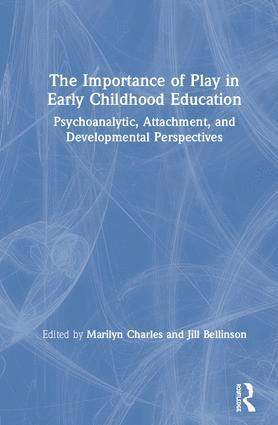
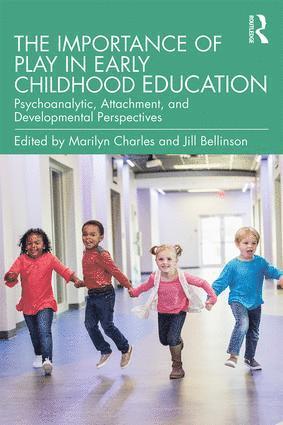
Importance of Play in Early Childhood Education
Marilyn Charles, Jill Bellinson
Inbunden, 2019
3 309 kr
Hoppa över listan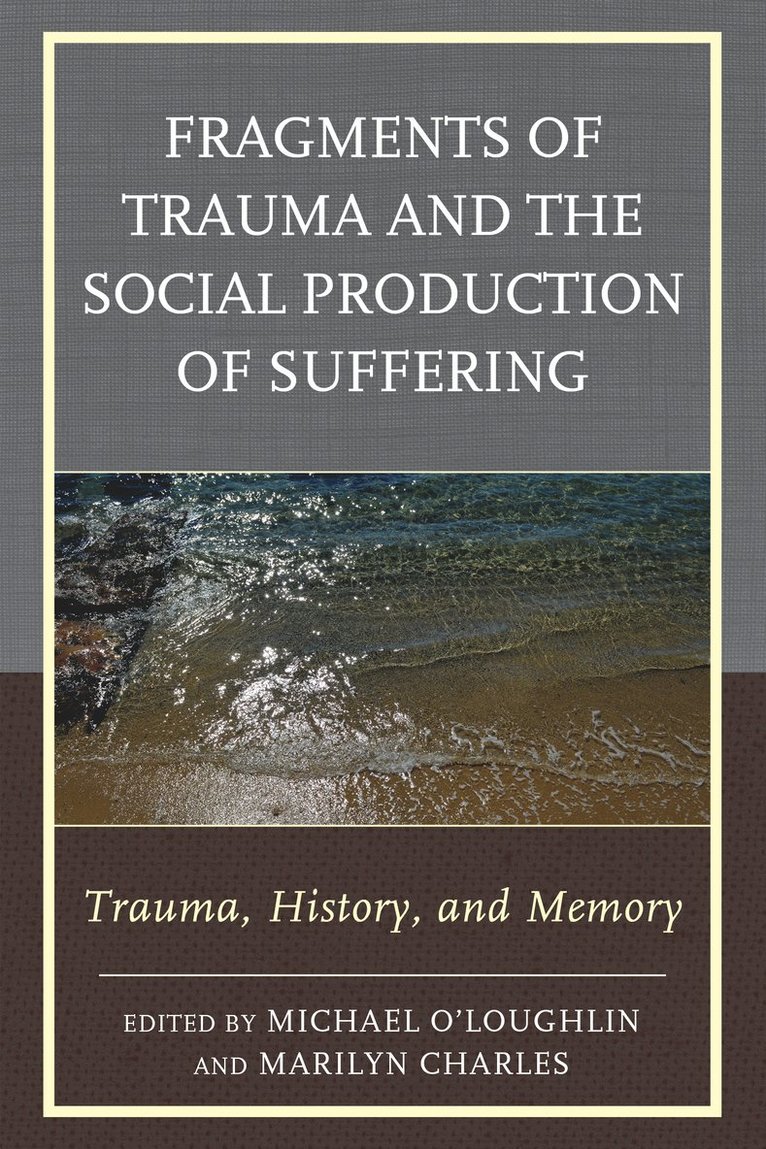
Du kanske också är intresserad av
Fragments of Trauma and the Social Production of Suffering
Michael O'Loughlin, Marilyn Charles
Inbunden, 2014
2 059 kr