
Del i serien Organization and Management Series
Power of Writing in Organizations
From Letters to Online Interactions
Inbunden, Engelska, 2012
3 299 kr
Beställningsvara. Skickas inom 10-15 vardagar. Fri frakt för medlemmar vid köp för minst 249 kr.
Finns i fler format (1)
This book demonstrates the power of writing in informal and formal organizations in the past and the present. It shows how writing, despite long lasting criticisms that can be traced back to Plato, and in spite of its frequent definition as a mere recording medium is in fact a creative mode of communication that supports the expression of emotions, the developing knowledge, and the building of strong communities among faraway individuals. The first part of the book illustrates how this has been true historically. The focus on writing as a fundamental mode of communication – the other being speech or the oral mode – is still important in our technology-infused world, where writing seems to have been reduced to short cryptic text messages or tweets. Precisely because of their heavy reliance on technology, current practices are in need of a deeper understanding that focus on deep as opposed to surface features and unveil the four essential mechanisms – objectification, reflecting, specifying, and addressing – that give writing its creative powers.In the second part of the book, we use contemporary case studies and interviews to illustrate how shifting our focus from the media to the mode of communication and focusing on the mechanisms of writing allows us to go beyond current debates about the capabilities of various communication media and to understand better today’s communicative practices. This book is an attempt to unveil the powers of writing as well as to highlight the implications for organizations of the potential loss of these powers in today’s world where writing-based distributed collaborations, interpersonal relationships, and online communities are key sources of innovation and support for individuals and organizations.
Produktinformation
- Utgivningsdatum2012-08-01
- Mått152 x 229 x 18 mm
- Vikt476 g
- FormatInbunden
- SpråkEngelska
- SerieOrganization and Management Series
- Antal sidor256
- FörlagTaylor & Francis Ltd
- ISBN9780415882569
Tillhör följande kategorier
Hoppa över listan


Mer från samma serie
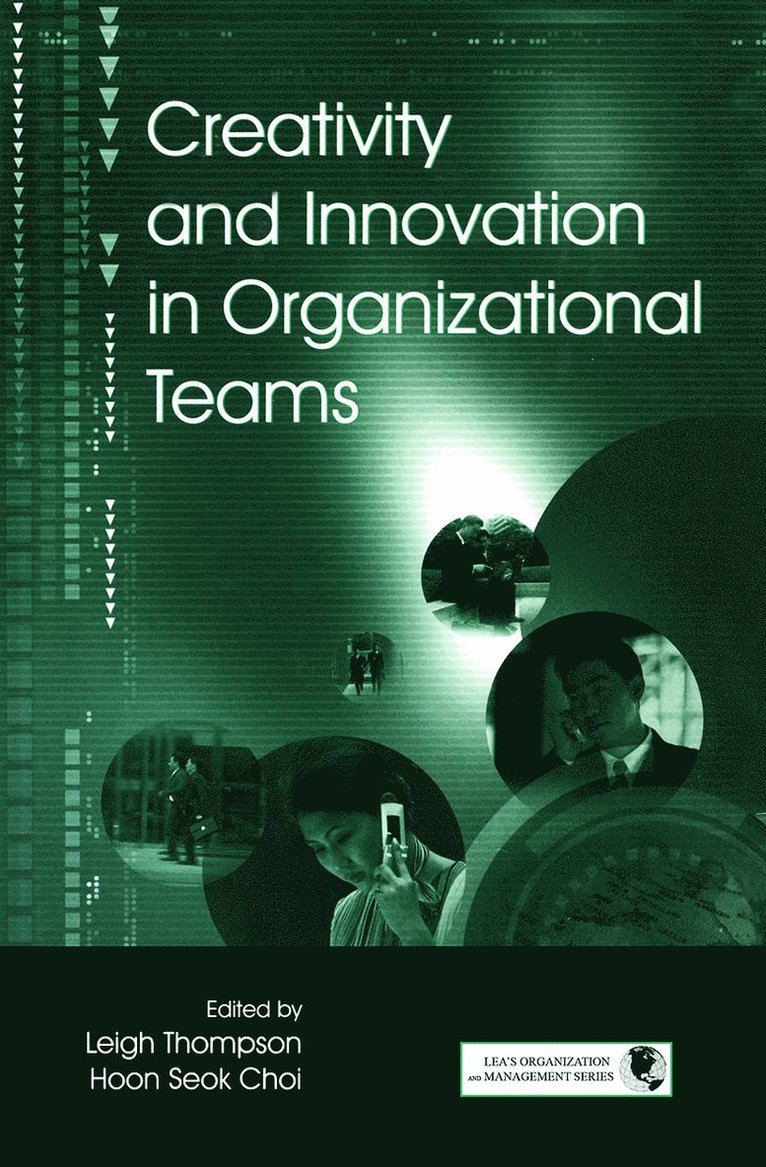
Creativity and Innovation in Organizational Teams
Leigh L. Thompson, Hoon- Seok Choi
Häftad, 2013
1 419 kr
Leading and Managing People in the Dynamic Organization
Randal D. Day, Randall S. Peterson, Elizabeth A. Mannix
Häftad, 2013
1 129 kr
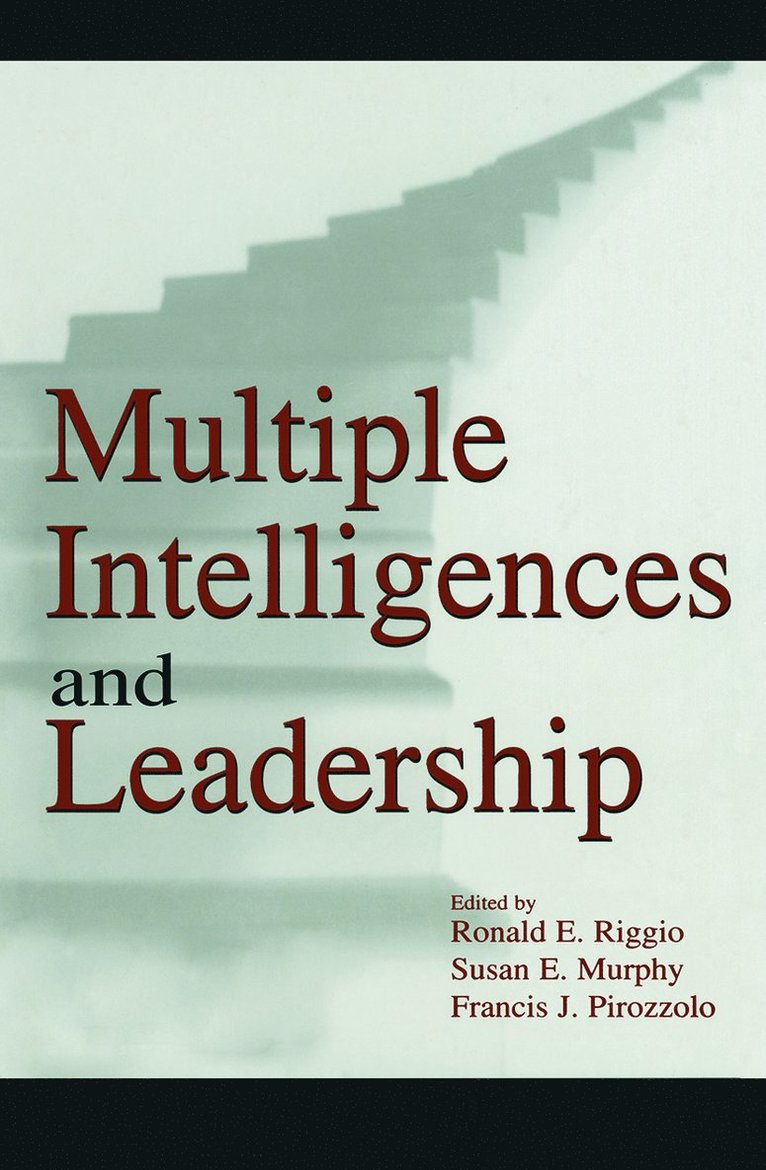
Multiple Intelligences and Leadership
Ronald E. Riggio, Susan Elaine Murphy, Francis J. Pirozzolo
Häftad, 2013
1 129 kr
Social Influences on Ethical Behavior in Organizations
John M. Darley, David M. Messick, Tom R. Tyler
Häftad, 2014
1 179 kr
Hoppa över listan







Du kanske också är intresserad av
- Nyhet
Del 3
- Nyhet
Del 11
- Nyhet
- Nyhet
Del 4
Del 2
Del 1
- Nyhet
Del 4