
Del i serien Indiana University Press (IPS)
Poetics of Islamic Legitimacy
Myth, Gender, and Ceremony in the Classical Arabic Ode
Häftad, Engelska, 2002
509 kr
Beställningsvara. Skickas inom 10-15 vardagar. Fri frakt för medlemmar vid köp för minst 249 kr.
" . . . transcends the realm of literature and poetic criticism to include virtually every field of Arabic and Islamic studies." —Roger AllenThroughout the classical Arabic literary tradition, from its roots in pre-Islamic Arabia until the end of the Golden Age in the 10th century, the courtly ode, or qasida, dominated other poetic forms. In The Poetics of Islamic Legitimacy, Suzanne Stetkevych explores how this poetry relates to ceremony and political authority and how the classical Arabic ode encoded and promoted a myth and ideology of legitimate Arabo-Islamic rule. Beginning with praise poems to pre-Islamic Arab kings, Stetkevych takes up poetry in praise of the Prophet Mohammed and odes addressed to Arabo-Islamic rulers. She explores the rich tradition of Arabic praise poems in light of ancient Near Eastern rites and ceremonies, gender, and political culture. Stetkevych's superb English translations capture the immediacy and vitality of classical Arabic poetry while opening up a multifaceted literary tradition for readers everywhere.
Produktinformation
- Utgivningsdatum2002-10-17
- Mått156 x 235 x 23 mm
- Vikt567 g
- FormatHäftad
- SpråkEngelska
- SerieIndiana University Press (IPS)
- Antal sidor408
- FörlagIndiana University Press
- ISBN9780253215369
Tillhör följande kategorier
Hoppa över listan

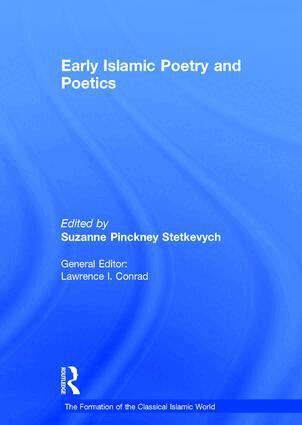
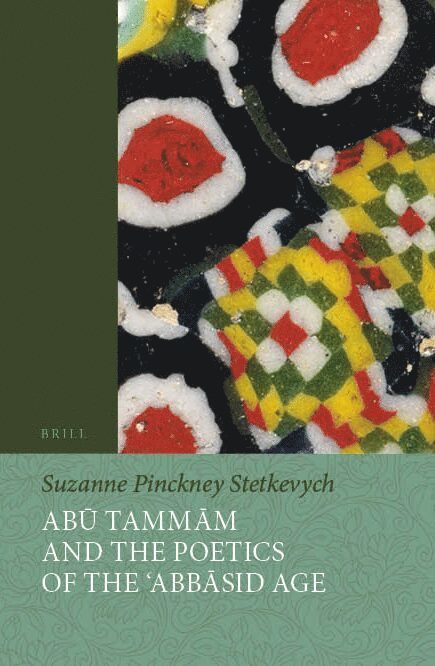
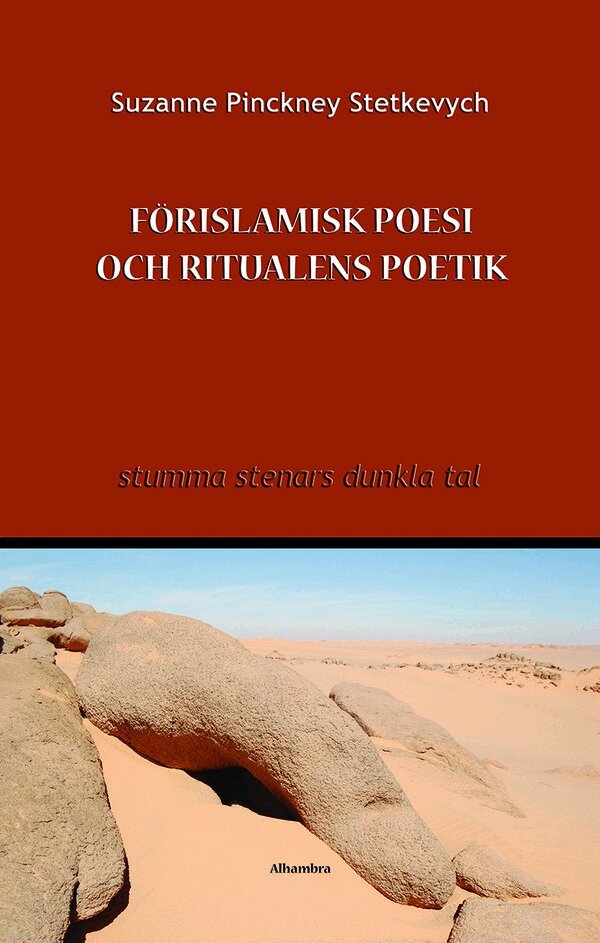
Mer från samma författare
Routledge Handbook of Arabic Poetry
Huda Fakhreddine, Suzanne Pinckney Stetkevych
Inbunden, 2023
5 579 kr
Routledge Handbook of Arabic Poetry
Huda Fakhreddine, Suzanne Pinckney Stetkevych
Häftad, 2025
1 169 kr
Hoppa över listan
Du kanske också är intresserad av
Routledge Handbook of Arabic Poetry
Huda Fakhreddine, Suzanne Pinckney Stetkevych
Inbunden, 2023
5 579 kr
Routledge Handbook of Arabic Poetry
Huda Fakhreddine, Suzanne Pinckney Stetkevych
Häftad, 2025
1 169 kr
- Nyhet
Del 3