
Del i serien Indiana University Press (IPS)
Philosophical Anthropology of the Cross
The Cruciform Self
Inbunden, Engelska, 2013
1 169 kr
Beställningsvara. Skickas inom 10-15 vardagar. Fri frakt för medlemmar vid köp för minst 249 kr.
Finns i fler format (1)
What does the cross, both as a historical event and a symbol of religious discourse, tell us about human beings? In this provocative book, Brian Gregor draws together a hermeneutics of the self—through Heidegger, Gadamer, Ricoeur, and Taylor—and a theology of the cross—through Luther, Kierkegaard, Bonhoeffer, and Jüngel—to envision a phenomenology of the cruciform self. The result is a bold and original view of what philosophical anthropology could look like if it took the scandal of the cross seriously instead of reducing it into general philosophical concepts.
Produktinformation
- Utgivningsdatum2013-03-18
- Mått152 x 229 x 20 mm
- Vikt544 g
- FormatInbunden
- SpråkEngelska
- SerieIndiana University Press (IPS)
- Antal sidor278
- FörlagIndiana University Press
- ISBN9780253006714
Tillhör följande kategorier
Hoppa över listan

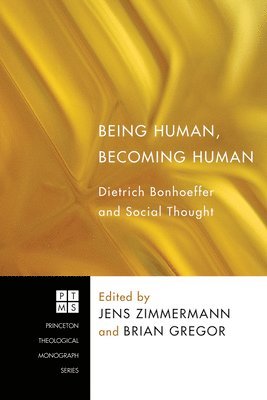
Mer från samma författare
Bonhoeffer and Continental Thought
Dietrich Bonhoeffer, Brian Gregor, Jens Zimmermann
Häftad, 2009
349 kr
Del 146
Hoppa över listan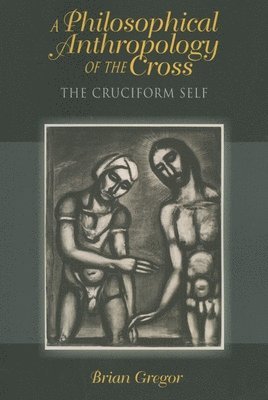



Du kanske också är intresserad av
Bonhoeffer and Continental Thought
Dietrich Bonhoeffer, Brian Gregor, Jens Zimmermann
Häftad, 2009
349 kr
Del 146
- Nyhet
- Nyhet
- Nyhet
Del 11