
Del i serien Working Class in American History
Palomino
Clinton Jencks and Mexican-American Unionism in the American Southwest
Inbunden, Engelska, 2013
969 kr
Beställningsvara. Skickas inom 5-8 vardagar. Fri frakt för medlemmar vid köp för minst 249 kr.
The first comprehensive biography of progressive labor organizer, peace worker, and economist Clinton Jencks (1918–2005), this book explores the life of one of the most important political and social activists to appear in the Southwestern United States in the twentieth century. A key figure in the radical International Union of Mine, Mill, and Smelter Workers (IUMMSW) Local 890 in Grant County, New Mexico, Jencks was involved in organizing not only the mine workers but also their wives in the 1951 strike against the Empire Zinc Company. He was active in the production of the 1954 landmark labor film dramatizing the Empire Zinc strike, Salt of the Earth, which was heavily suppressed during the McCarthy era and led to Jencks's persecution by the federal government. Labor historian James J. Lorence examines the interaction between Jencks's personal experience and the broader forces that marked the world and society in which he worked and lived. Following the work of Jencks and his equally progressive wife, Virginia Derr Jencks, Lorence illuminates the roots and character of Southwestern unionism, the role of radicalism in the Mexican-American civil rights movement, the rise of working-class feminism within Local 890 and the Grant County Mexican American community, and the development of Mexican-American identity in the Southwest. Chronicling Jencks's five-year-long legal battle against charges of perjury, this biography also illustrates how civil liberties and American labor were constrained by the specter of anticommunism during the Cold War. Drawing from extensive research as well as interviews and correspondence, this volume highlights Clinton Jencks's dramatic influence on the history of labor culture in the Southwest through a lifetime devoted to progress and change for the social good.
Produktinformation
- Utgivningsdatum2013-05-02
- Mått156 x 235 x 33 mm
- Vikt626 g
- FormatInbunden
- SpråkEngelska
- SerieWorking Class in American History
- Antal sidor304
- FörlagUniversity of Illinois Press
- ISBN9780252037559
Tillhör följande kategorier
Hoppa över listan
Mer från samma författare
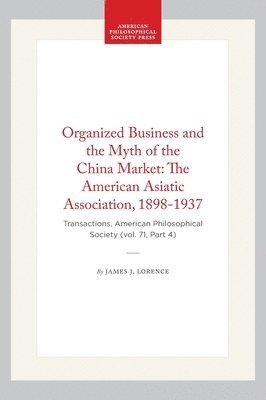
Organized Business and the Myth of the China Market: the American Asiatic Association, 1898-1937
James J. Lorence
Häftad, 1981
649 kr
Hoppa över listan
Mer från samma serie
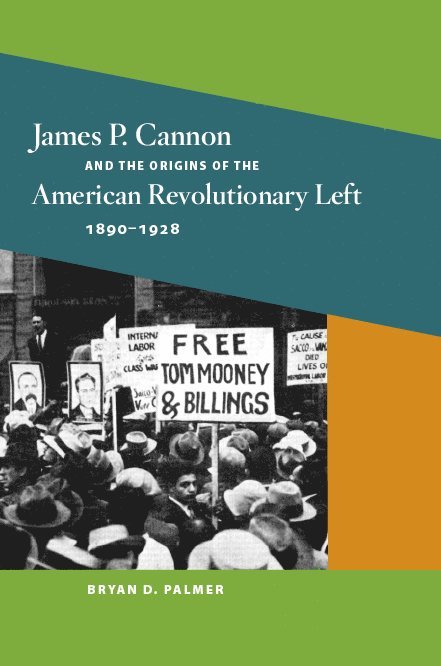
James P. Cannon and the Origins of the American Revolutionary Left, 1890-1928
Bryan D. Palmer
Häftad, 2010
509 kr
Hoppa över listan





Du kanske också är intresserad av
Organized Business and the Myth of the China Market: the American Asiatic Association, 1898-1937
James J. Lorence
Häftad, 1981
649 kr
- Nyhet
- Nyhet
- Nyhet
Del 4
Del 1
- Nyhet
Del 11
- Nyhet
Del 6