
On the Border of Opportunity
Education, Community, and Language at the U.s.-mexico Line
Inbunden, Engelska, 1998
1 989 kr
Beställningsvara. Skickas inom 10-15 vardagar. Fri frakt för medlemmar vid köp för minst 249 kr.
Finns i fler format (1)
In 1993, the author set out to try and gain some understanding about school and community in Havens, New Mexico--a place where she had the opportunity to be immersed in border culture, where she could learn how the border figured into everyday life, and where she could pay uninterrupted attention to the issues as they occurred in the personal and professional lives of those who taught in and administered the schools--and in the lives of the students who studied there. This book offers an interpretation that is disciplined by the long hours, days, and months spent in Havens, and by the personal stance the author brings to the study of a place and its people. This book tells the story of Havens from the perspective of what it is, of the present in all of its complexity, and as a window on what might exist in the future in this border community. It begins with a description of Havens and its inevitable interdependence with its Mexican neighbors, followed by an introduction of three "cultural mediators"--two students and one teacher from Havens High School. Focusing on the relationship between the use of Spanish and English, the language landscape in the community and in the schools is laid out. This is followed by a specific description of the development of bilingual education programs in the district, and an introduction of the social structure of the high school, describing the students' interactions across cultural lines. The final chapter presents an alternative metaphor for thinking about the border and identifies markers of opportunity that already exist in Havens as it works toward defining what it means to be a bicultural and binational community.
Produktinformation
- Utgivningsdatum1998-07-01
- Mått152 x 229 x 17 mm
- Vikt540 g
- FormatInbunden
- SpråkEngelska
- SerieSociocultural, Political, and Historical Studies in Education
- Antal sidor204
- FörlagTaylor & Francis Inc
- ISBN9780805824636
Tillhör följande kategorier
Hoppa över listan

Mer från samma serie
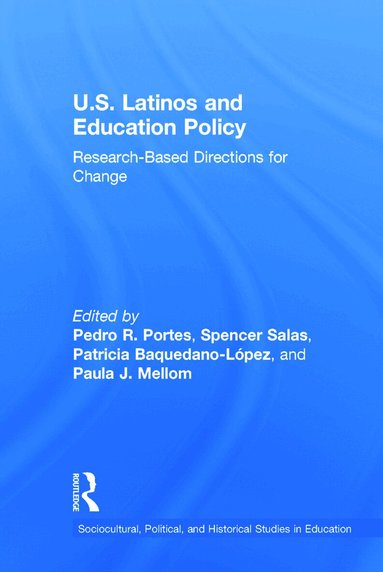
U.S. Latinos and Education Policy
Pedro R. Portes, Spencer Salas, Patricia Baquedano-López, Paula J. Mellom
Inbunden, 2014
3 479 kr
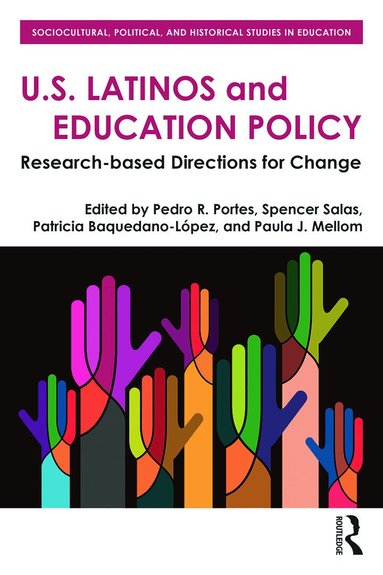
U.S. Latinos and Education Policy
Pedro R. Portes, Spencer Salas, Patricia Baquedano-López, Paula J. Mellom
Häftad, 2014
1 039 kr
Hoppa över listan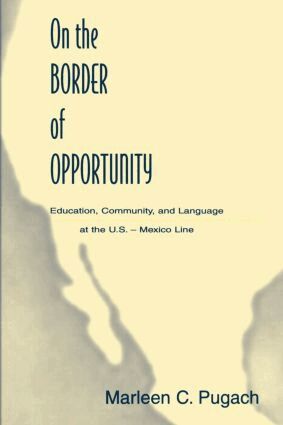




Du kanske också är intresserad av
- Nyhet
Del 7
- Nyhet
- Nyhet
Del 4
- Nyhet
Del 6
- Nyhet
Del 3
- Nyhet
Del 11
- Nyhet
- Nyhet
Del 1