
Del i serien Routledge Research in Nursing and Midwifery
Nursing Theory, Postmodernism, Post-structuralism, and Foucault
Häftad, Engelska, 2024
829 kr
Beställningsvara. Skickas inom 10-15 vardagar. Fri frakt för medlemmar vid köp för minst 249 kr.
Finns i fler format (1)
Nursing Theory, Postmodernism, Post-structuralism, and Foucault critiques mainstream American nursing theory and its use of post-structural theory, comparing and contrasting how postmodern and post-structural ideas have been used fruitfully in nursing research and theorizing elsewhere.In the late 1980s, references to post-structuralism and Michel Foucault started to appear in nursing journals. Since then, hundreds of nursing publications have cited postmodernism and key post-structural ideas such as power/knowledge, discourse, and de-centring the human subject. In Nursing Theory, Postmodernism, Post-structuralism, and Foucault, Olga Petrovskaya argues that the application of these ideas is markedly different in American nursing theory scholarship compared to nursing theoretical scholarship generated outside the canon of "unique" nursing theory. Analysing relevant literature from the late 1980s through 2010s, she demonstrates this difference, arguing that American nursing theory calcified into a matrix of dogmas built on logical positivism, wary of "borrowed" theory, and loyal to a "unique nursing science." Post-structural ideas that fit the matrix, such as criticism of medicine, are sanctioned, whereas ideas sceptical of humanistic agendas including those that challenge American nursing theory are rendered meaningless. In contrast, other nurse scholars from Britain, Australia, Canada, and what the author calls the American enclave group engaged with postmodern and post-structural perspectives to enrich their research and invite readers to rethink nursing practice. The book showcases examples of their intelligent, creative theorizing. Arguing that American nursing theory enervated nursing theorizing, Petrovskaya calls for opening this matrix to theoretical and methodological creativity, less rigid categories of scholarship, and healthy self-examination.Making the case that post-structural ideas are vital for nurses’ ability to critically reflect on their discipline and profession, this is a necessary read for all those interested in nursing theory, philosophy, and praxis.Chapter 1 of this book is available for free in PDF format as Open Access from the individual product page at www.routledge.com. It has been made available under a Creative Commons Attribution-Non Commercial-No Derivatives 4.0 license.
Produktinformation
- Utgivningsdatum2024-05-27
- Mått156 x 234 x 16 mm
- Vikt350 g
- FormatHäftad
- SpråkEngelska
- SerieRoutledge Research in Nursing and Midwifery
- Antal sidor174
- FörlagTaylor & Francis Ltd
- ISBN9781032343204
Tillhör följande kategorier
Hoppa över listan
Mer från samma serie
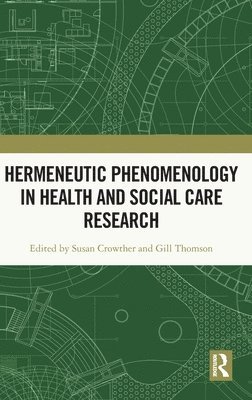
Hermeneutic Phenomenology in Health and Social Care Research
Susan Crowther, Gill Thomson
Inbunden, 2022
3 209 kr
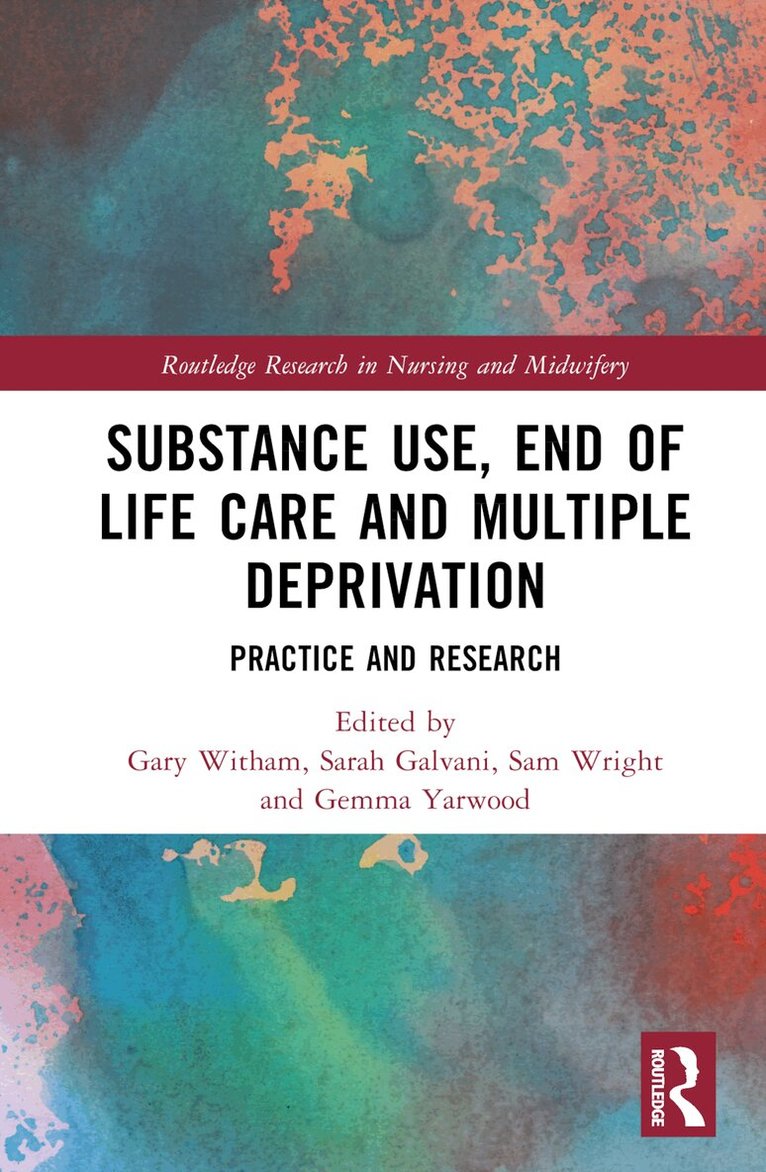
Substance Use, End-of-Life Care and Multiple Deprivation
Gary Witham, Sarah Galvani, Sam Wright, Gemma A. Yarwood
Inbunden, 2022
2 269 kr
Nursing a Radical Imagination
Jess Dillard-Wright, Jane Hopkins-Walsh, Brandon Brown
Inbunden, 2022
2 689 kr
Hoppa över listan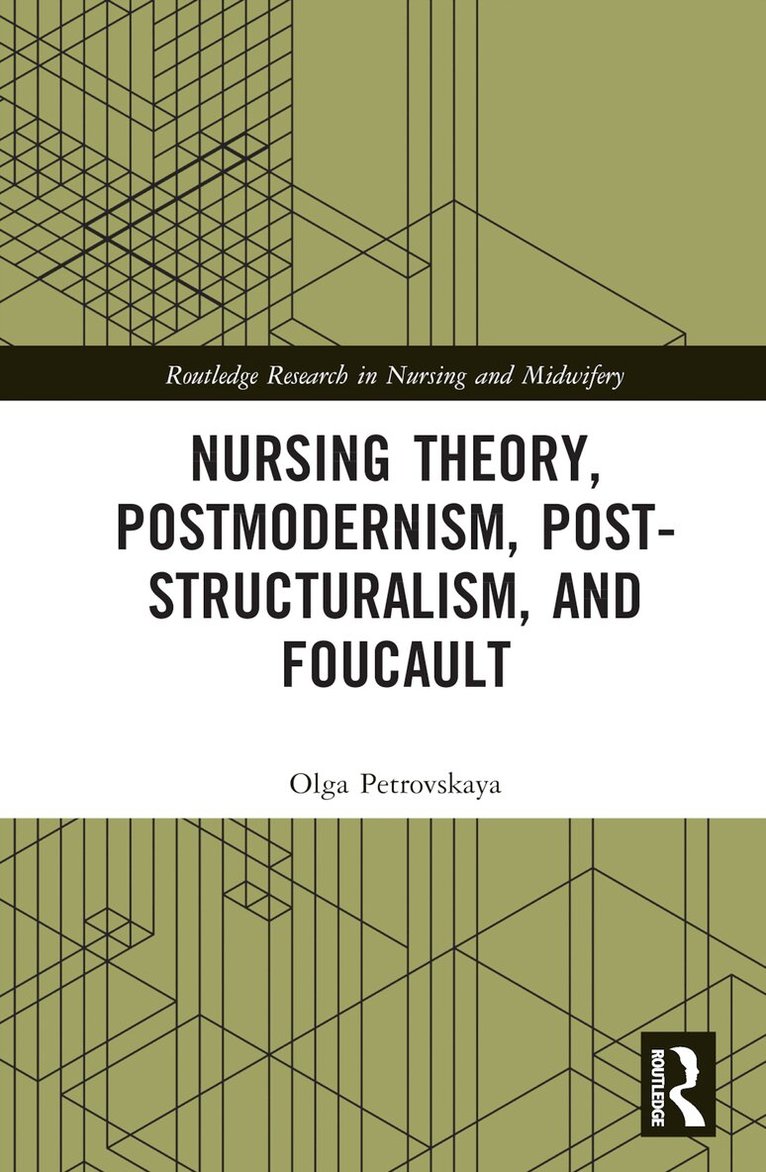
Du kanske också är intresserad av
Nursing Theory, Postmodernism, Post-structuralism, and Foucault
Olga Petrovskaya
Inbunden, 2022
3 299 kr
Paradoxes in Nurses’ Identity, Culture and Image
Margaret McAllister, Donna Brien
Inbunden, 2020
2 809 kr
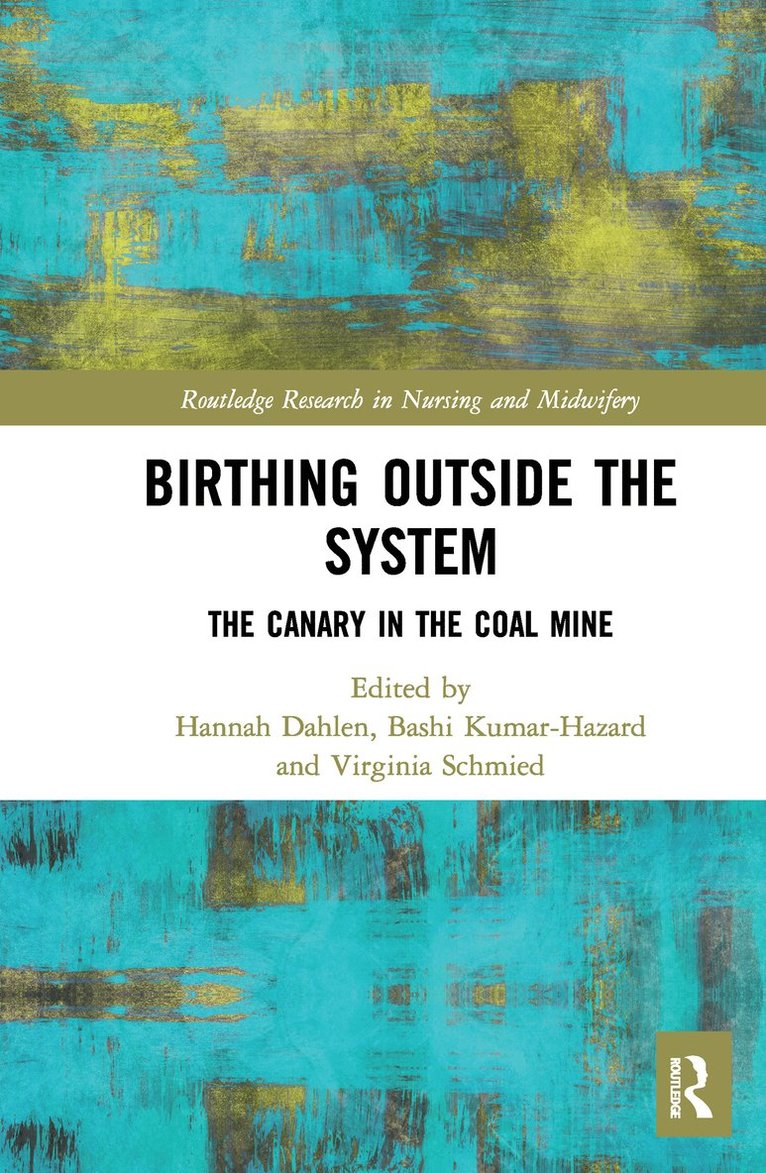
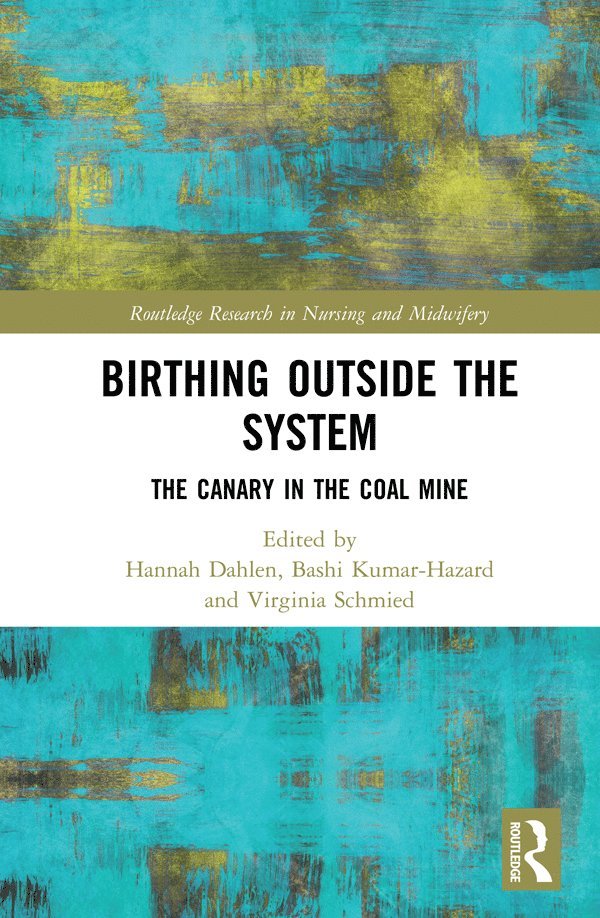
Birthing Outside the System
Hannah Dahlen, Bashi Kumar-Hazard, Virginia Schmied
Inbunden, 2020
3 299 kr
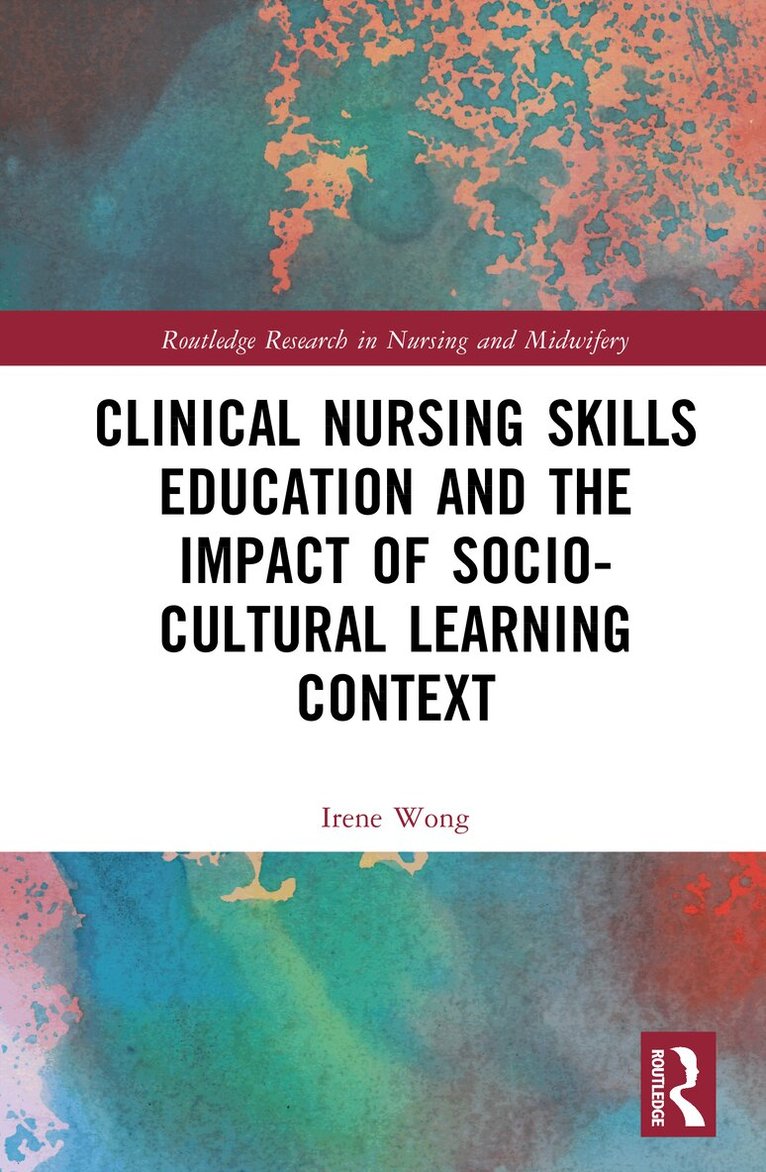
Clinical Nursing Skills Education and the Impact of Socio-Cultural Learning Context
Irene Wong
Inbunden, 2026
3 299 kr
Hermeneutic Phenomenology in Health and Social Care Research
Susan Crowther, Gill Thomson
Inbunden, 2022
3 209 kr