
New Philosophies of Film
Thinking Images
Inbunden, Engelska, 2011
2 359 kr
Beställningsvara. Skickas inom 10-15 vardagar. Fri frakt för medlemmar vid köp för minst 249 kr.
Finns i fler format (3)
The relationship between film and philosophy has become a topic of intense intellectual interest. But how should we understand this relationship? Can philosophy renew our understanding of film? Can film challenge or even transform how we understand philosophy? New Philosophies of Film explores these questions in relation to both analytic and Continental philosophies of film, arguing that the best way to overcome their mutual antagonism is by constructing a more pluralist film-philosophy grounded in detailed engagement with particular films. Sinnerbrink not only provides lucid critical analyses of the exciting developments and contentious debates in the new philosophies of film, but also showcases how a pluralist film-philosophy works in the case of three challenging contemporary filmmakers: David Lynch, Lars von Trier, and Terrence Malick. New Philosophies of Film thus puts interdisciplinary film -philosophy into practice, and should be of great interest to students and researchers working across the disciplines of philosophy, film studies, and cultural studies.
Produktinformation
- Utgivningsdatum2011-12-15
- Mått138 x 216 x 19 mm
- Vikt508 g
- FormatInbunden
- SpråkEngelska
- Antal sidor264
- FörlagContinuum Publishing Corporation
- ISBN9781441122575
Tillhör följande kategorier
Hoppa över listan





Mer från samma författare
Understanding Cinematic Thinking
Gregory Flaxman, Robert Sinnerbrink, Lisa Trahair
Inbunden, 2020
1 249 kr
Hoppa över listan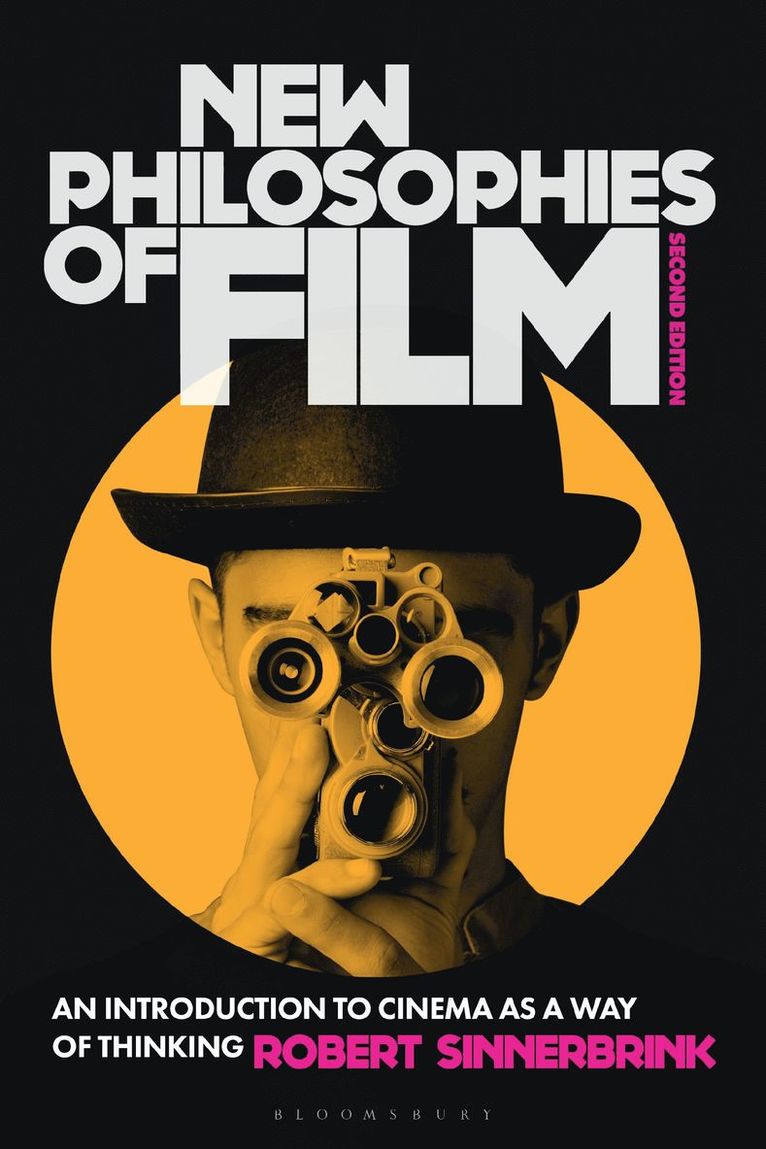

Du kanske också är intresserad av
Understanding Cinematic Thinking
Gregory Flaxman, Robert Sinnerbrink, Lisa Trahair
Inbunden, 2020
1 249 kr