
Del 37
New Paradigm for Translators of Literary and Non-Literary Texts
Häftad, Engelska, 2022
1 489 kr
Beställningsvara. Skickas inom 5-8 vardagar. Fri frakt för medlemmar vid köp för minst 249 kr.
Finns i fler format (1)
Over the years, translation has increasingly become a necessary tool to function in contemporary society. Based on years of research and teaching activity within the field, this book offers a useful and effective paradigm for the translation of different types of texts, guiding readers towards the realisation of effective translation projects. The several contrastive analyses presented and the suggestions offered throughout will help readers appreciate the implications and consequences of every translation choice, encouraging them to develop reading and translating skills applicable to the variety of texts they face in everyday life, from novels to comic books, films, and television series.
Produktinformation
- Utgivningsdatum2022-07-21
- Mått155 x 235 x 24 mm
- Vikt679 g
- FormatHäftad
- SpråkEngelska
- SerieCritical New Literacies: The Praxis of English Language Teaching and Learning
- Antal sidor392
- FörlagBrill
- ISBN9789004526198
Tillhör följande kategorier
Hoppa över listan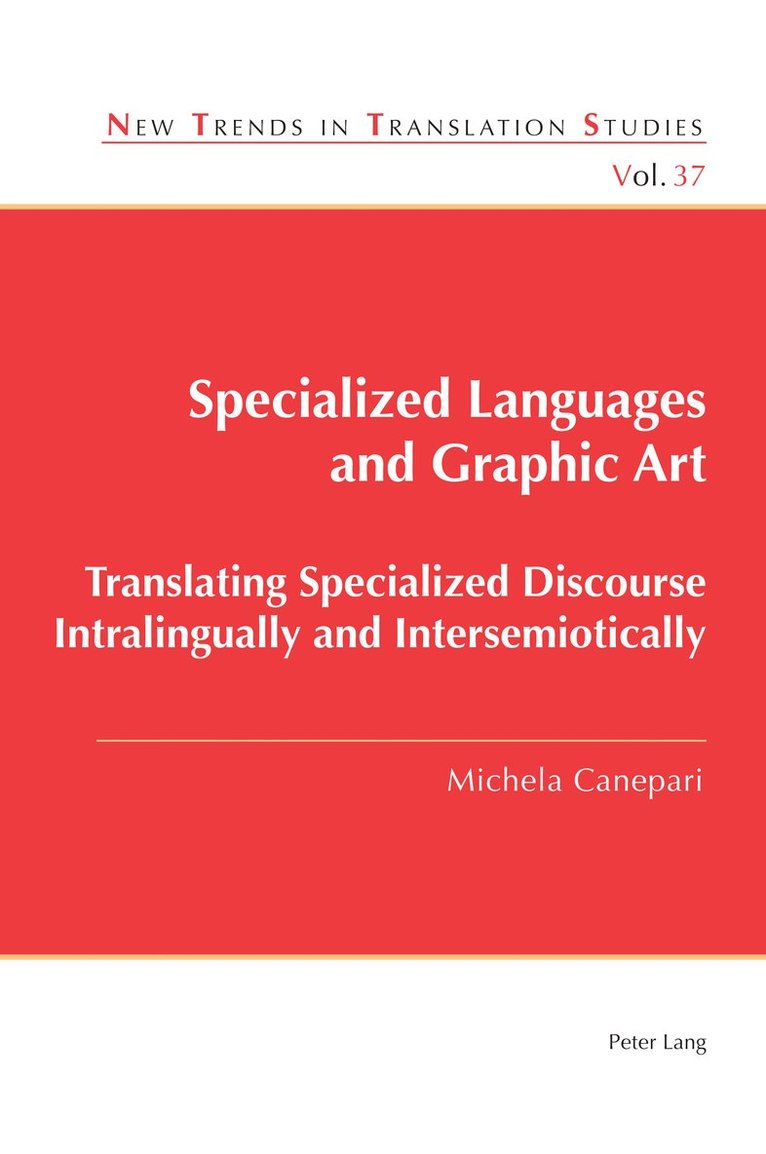
Mer från samma författare
The Many Facets of Remediation in Language Studies
Michela Canepari, Gillian Mansfield, Franca Poppi
Häftad, 2018
1 159 kr
Hoppa över listan



Mer från samma serie
Del 7
Issues in Applying SLA Theories toward Reflective and Effective Teaching
Mitra Zeraatpishe
Häftad, 2018
769 kr
Del 7
Issues in Applying SLA Theories toward Reflective and Effective Teaching
Mitra Zeraatpishe
Inbunden, 2018
1 859 kr
Del 8
Del 8
Del 9
Del 9
Del 11
Del 11
Del 12
Contemporary Canadian Picture Books
Beverley Brenna, Richard Dionne, Theresa Tavares
Häftad, 2021
1 259 kr
Del 12
Contemporary Canadian Picture Books
Beverley Brenna, Richard Dionne, Theresa Tavares
Inbunden, 2021
3 369 kr
Hoppa över listan



Du kanske också är intresserad av
Del 14
New Paradigm for Translators of Literary and Non-Literary Texts
Michela Canepari
Inbunden, 2022
3 079 kr
Del 37
The Many Facets of Remediation in Language Studies
Michela Canepari, Gillian Mansfield, Franca Poppi
Häftad, 2018
1 159 kr
Del 19
Supporting Children’s Wellbeing Using the Reading Well Home Reading Program
Siobhan O'Brien
Inbunden, 2025
3 099 kr
Del 16
Del 7
Issues in Applying SLA Theories toward Reflective and Effective Teaching
Mitra Zeraatpishe
Häftad, 2018
769 kr
Del 12
Contemporary Canadian Picture Books
Beverley Brenna, Richard Dionne, Theresa Tavares
Häftad, 2021
1 259 kr
Del 11
Del 18
Del 17