
New Conditionality
The Politics of Poverty Reduction Strategies
Häftad, Engelska, 2005
659 kr
Beställningsvara. Skickas inom 10-15 vardagar. Fri frakt för medlemmar vid köp för minst 249 kr.
Poverty Reduction Strategies (PRSs) are the new buzzwords in development aid. Some seventy developing countries have already elaborated a PRS in response to the requirements of the International Monetary Fund, the World Bank and bilateral aid agencies and as a precondition for rolling over past debts or obtaining new assistance. While it may be premature to reach conclusions as to their ultimate economic and social impacts, implications for local policy making and political processes, as this book explains, are already becoming clear.PRSs, as with the Structural Adjustment policies that they have ostensibly replaced, run up against a central paradox: in vesting decisive policymaking powers in external agencies, the very process of drawing up development strategies to prioritize reducing poverty can undermine the consolidation of democratic forces, structures and ideas in developing countries. While the nuanced conclusions of these field studies show that the political terrain and the specific impacts of PRSs in different countries are highly variegated, serious questions arise about the long-term political consequences of this new generation of contemporary development practices.
Produktinformation
- Utgivningsdatum2005-09-20
- Mått140 x 216 x 11 mm
- Vikt252 g
- FormatHäftad
- SpråkEngelska
- Antal sidor192
- FörlagBloomsbury Publishing PLC
- ISBN9781842775233
Tillhör följande kategorier
Hoppa över listan

Mer från samma författare
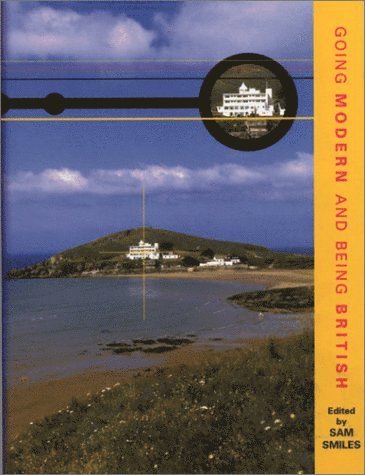
Going Modern and Being British
Doug Fitch, David Jeremiah, Jeremy Gould, Sam Smiles
Häftad, 1998
379 kr
Hoppa över listan




Du kanske också är intresserad av
Going Modern and Being British
Doug Fitch, David Jeremiah, Jeremy Gould, Sam Smiles
Häftad, 1998
379 kr
- Nyhet
Del 11
- Nyhet
Del 3
- Nyhet
Del 1
- Nyhet