
Museum Effect
How Museums, Libraries, and Cultural Institutions Educate and Civilize Society
Inbunden, Engelska, 2014
1 969 kr
Beställningsvara. Skickas inom 10-15 vardagar. Fri frakt för medlemmar vid köp för minst 249 kr.
Finns i fler format (1)
Museums, libraries, and cultural institutions provide opportunities for people to understand and celebrate who they are, were, and might be. These institutions educate the public and civilize society in a variety of ways, ranging from community events to a single child making a first visit. The Museum Effect documents this phenomenon, explains how it happens, and shows how institutions can facilitate this process.Cultural institutions vary dramatically in size, nature and purpose, but they all allow visitors to hold conversations with artists and authors perhaps long dead. These conversations, sometimes with others present, and sometimes with artists, scientists, explorers, or authors not present, allow visitors to explore their lives and their “possible selves.” Cultural institutions inspire personal reflection, and help visitors better themselves, in that they leave having contemplated what is noble, excellent, or exemplary about the society in which they live. The “museum effect” is a process through which cultural institutions educate and civilize us as individuals and as societies. These institutions allow visitors to spend some time with their thoughts elevated, and leave the institution better people in some meaningful fashion than when they entered. This visionary book presents the underlying idea and the argument for the museum effect, along with empirical research supporting that argument. It will help those working in museums, libraries, and archivists to facilitate this process, and study how this is working in their own institutions.
Produktinformation
- Utgivningsdatum2014-05-29
- Mått161 x 234 x 21 mm
- Vikt454 g
- FormatInbunden
- SpråkEngelska
- Antal sidor216
- FörlagBloomsbury Publishing Plc
- ISBN9780759122949
Tillhör följande kategorier
Hoppa över listan


Mer från samma författare
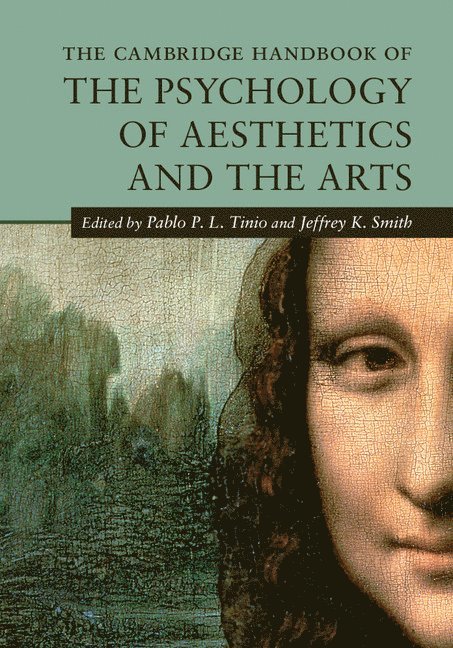
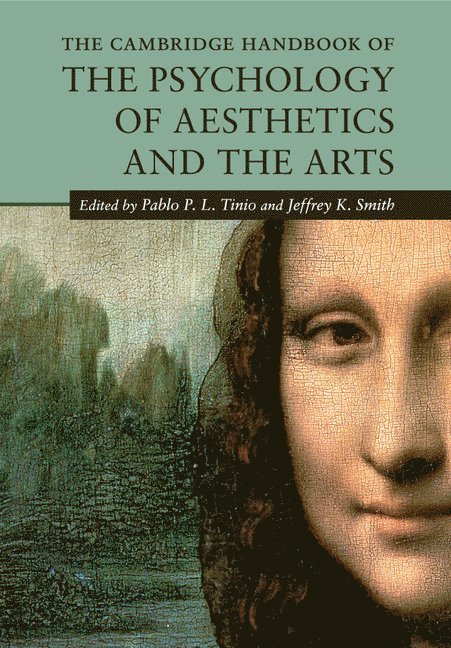
The Cambridge Handbook of the Psychology of Aesthetics and the Arts
Pablo P. L. Tinio, Jeffrey K. Smith
Inbunden, 2014
3 529 kr
The Cambridge Handbook of Instructional Feedback
Anastasiya A. Lipnevich, Jeffrey K. Smith
Inbunden, 2018
4 049 kr
The Cambridge Handbook of the Psychology of Aesthetics and the Arts
Pablo P. L. Tinio, Jeffrey K. Smith
Häftad, 2017
1 309 kr
The Cambridge Handbook of Instructional Feedback
Anastasiya A. Lipnevich, Jeffrey K. Smith
Häftad, 2018
1 309 kr
Hoppa över listan




Du kanske också är intresserad av
The Cambridge Handbook of Instructional Feedback
Anastasiya A. Lipnevich, Jeffrey K. Smith
Häftad, 2018
1 309 kr
The Cambridge Handbook of the Psychology of Aesthetics and the Arts
Pablo P. L. Tinio, Jeffrey K. Smith
Inbunden, 2014
3 529 kr