
Del i serien Law and Practical Reason
Moral Responsibility and Artificial Intelligence
Inbunden, Engelska, 2025
1 639 kr
Beställningsvara. Skickas inom 10-15 vardagar. Fri frakt för medlemmar vid köp för minst 249 kr.
This book introduces a novel puzzle, the 'Lorry Driver Paradox', to advance our understanding of moral responsibility beyond current paradigms, to connect moral philosophy and legal scholarship in new ways, and to break new ground in the ethics of AI. Part 1 introduces the Lorry Driver Paradox as a set of three individually plausible but jointly inconsistent claims. It then develops and defends the concept of strict moral answerability as the most effective solution, making it the central idea of the book, alongside an account of how ‘taking responsibility’ could amount to a new, hitherto neglected normative power and an exploration of the significance of apologies in our social practices.Part 2 extends this discussion to the context of artificial intelligence, proposing a major shift in how we currently think about responsibility and AI. It challenges the conventional notion of AI-generated ‘responsibility gaps’ and, instead, proposes the idea of ‘responsibility abundance’. This reframing, it is argued, offers distinct theoretical, dialectical, and practical advantages.Significant parts of these arguments draw on legal scholarship, particularly considerations about reverse burdens of proof in criminal law and the waiving of state immunity in public international law. On these grounds, the book also pursues the methodological idea of a ‘legal lead’, that is, the idea that we can advance our understanding of moral responsibility by investigating (selected aspects of) legal responsibility, and not just the other way around.
Produktinformation
- Utgivningsdatum2025-10-02
- Mått154 x 236 x 16 mm
- Vikt420 g
- FormatInbunden
- SpråkEngelska
- SerieLaw and Practical Reason
- Antal sidor176
- FörlagBloomsbury Publishing PLC
- ISBN9781509956845
Tillhör följande kategorier
Hoppa över listan


Mer från samma serie
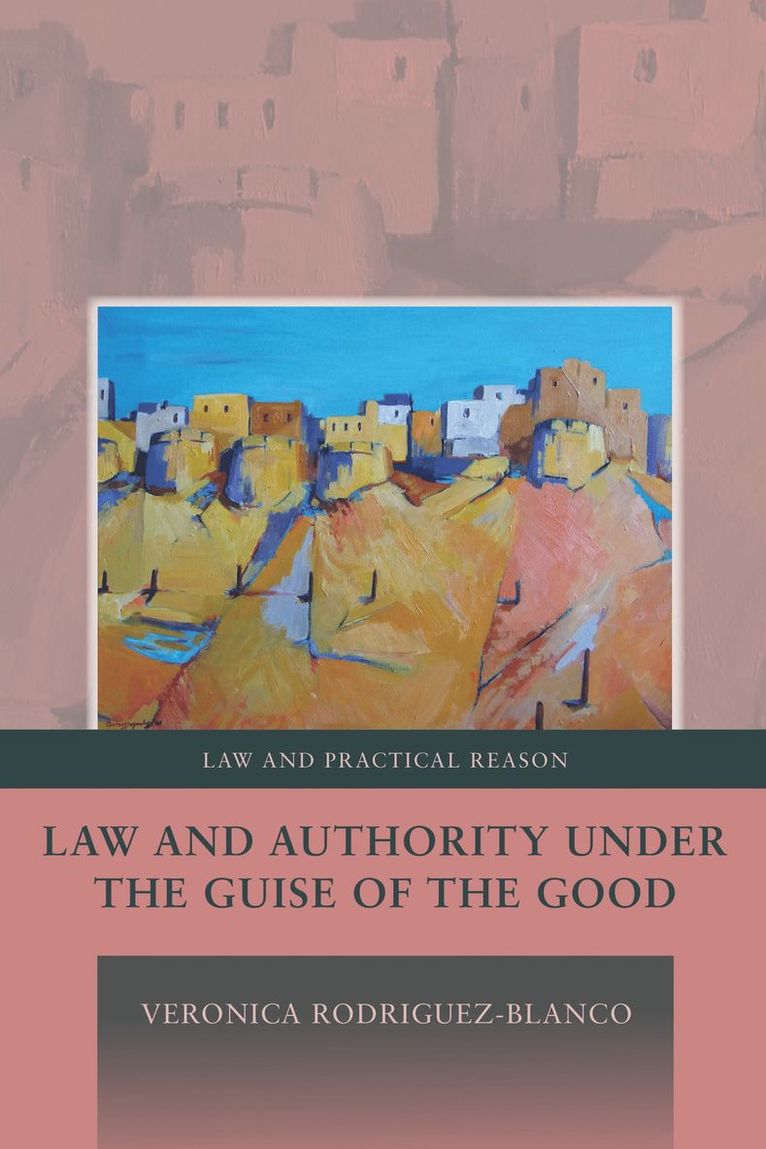
Law and Authority under the Guise of the Good
Veronica Rodriguez-Blanco, George Pavlakos
Häftad, 2016
509 kr
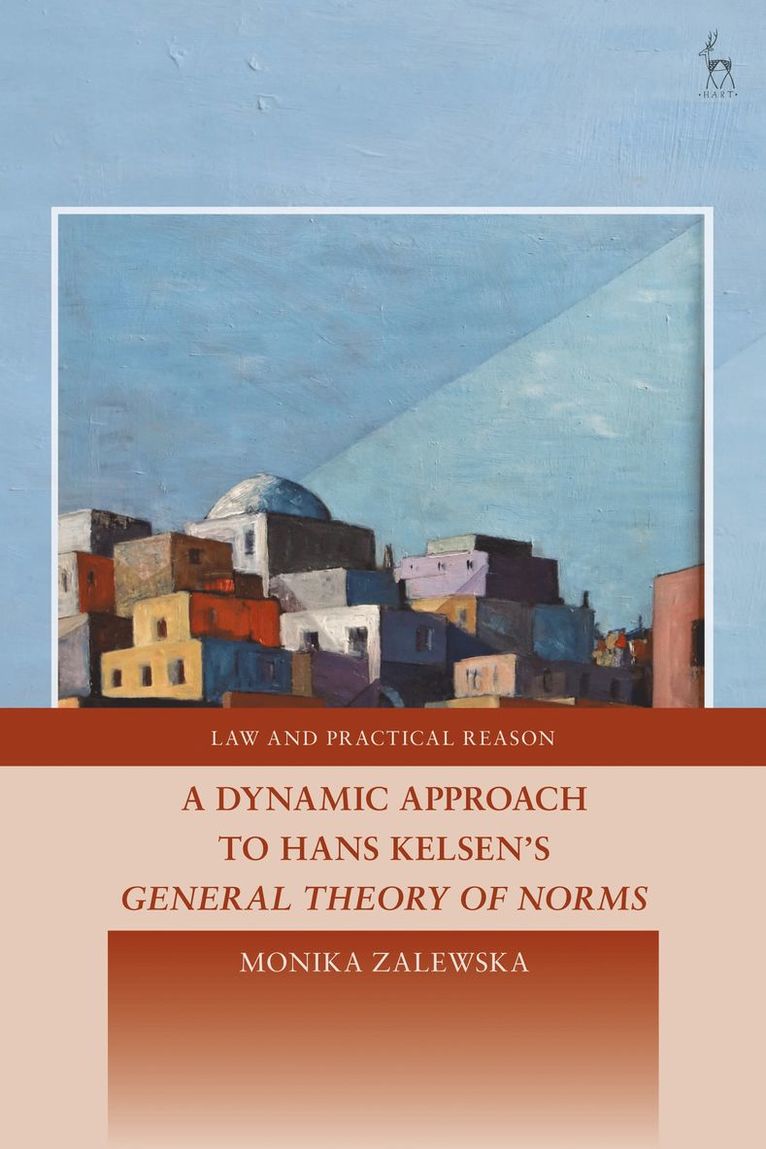
Dynamic Approach to Hans Kelsen's General Theory of Norms
Monika Zalewska, George Pavlakos
Inbunden, 2024
1 509 kr
Hoppa över listan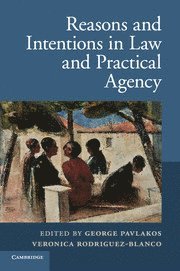

Du kanske också är intresserad av
Reasons and Intentions in Law and Practical Agency
George Pavlakos, Veronica Rodriguez-Blanco
Häftad, 2018
729 kr
Reasons, Respect, and the Law
Daniel Peixoto Murata, George Pavlakos, Hillary Nye
Inbunden, 2026
1 509 kr