
Del i serien Law and Practical Reason
Private Law and the Value of Choice
Inbunden, Engelska, 2017
1 669 kr
Beställningsvara. Skickas inom 10-15 vardagar. Fri frakt för medlemmar vid köp för minst 249 kr.
Finns i fler format (1)
Some say that private law ought to correct wrongs or to protect rights. Others say that private law ought to maximise social welfare or to minimise social cost. In this book, Emmanuel Voyiakis claims that private law ought to make our responsibilities to others depend on the opportunities we have to affect how things will go for us. Drawing on the work of HLA Hart and TM Scanlon, he argues that private law principles that require us to bear certain practical burdens in our relations with others are justified as long as those principles provide us with certain opportunities to choose what will happen to us, and having those opportunities is something we have reason to value.The book contrasts this ‘value-of-choice’ account with its wrong- and social cost-based rivals, and applies it to familiar problems of contract and tort law, including whether liability should be negligence-based or stricter; whether insurance should matter in the allocation of the burden of repair; how far private law should make allowance for persons of limited capacities; when a contract term counts as ‘unconscionable’ or ‘unfair’; and when tort law should hold a person vicariously liable for another’s mistakes.
Produktinformation
- Utgivningsdatum2017-01-12
- Mått156 x 234 x 15 mm
- Vikt553 g
- FormatInbunden
- SpråkEngelska
- SerieLaw and Practical Reason
- Antal sidor272
- FörlagBloomsbury Publishing PLC
- ISBN9781841138862
Tillhör följande kategorier
Hoppa över listan





Mer från samma serie
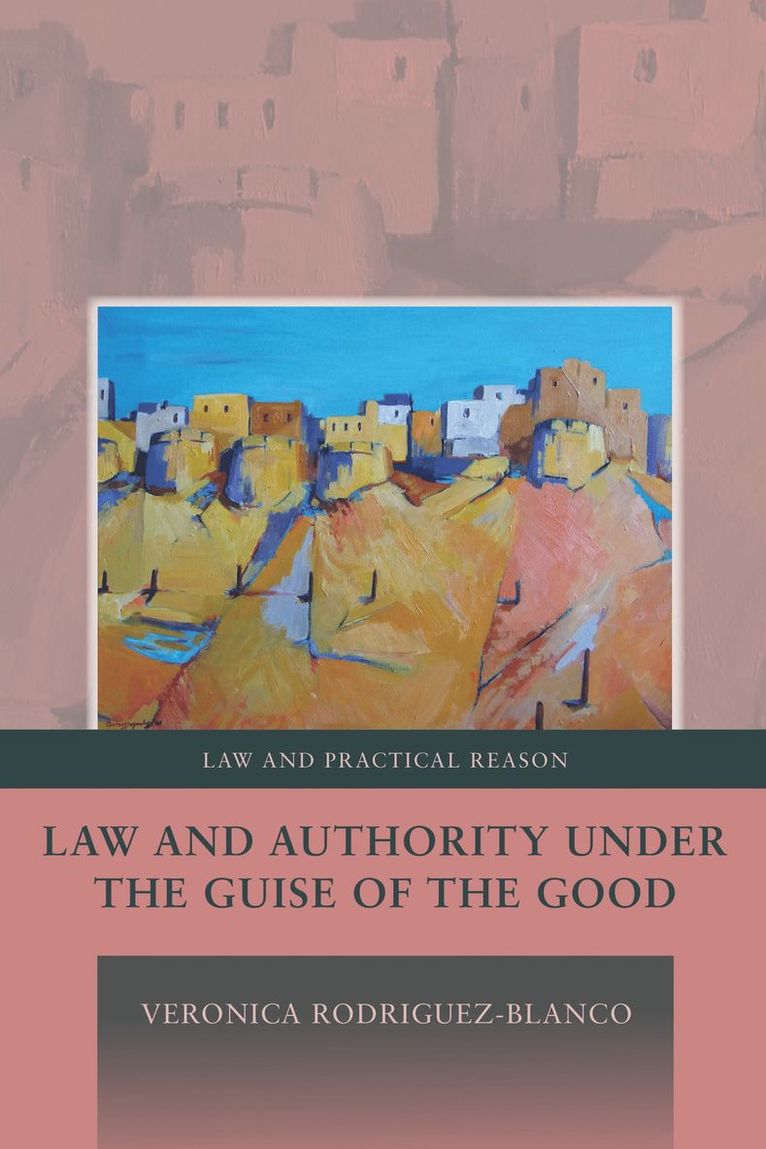
Law and Authority under the Guise of the Good
Veronica Rodriguez-Blanco, George Pavlakos
Häftad, 2016
509 kr
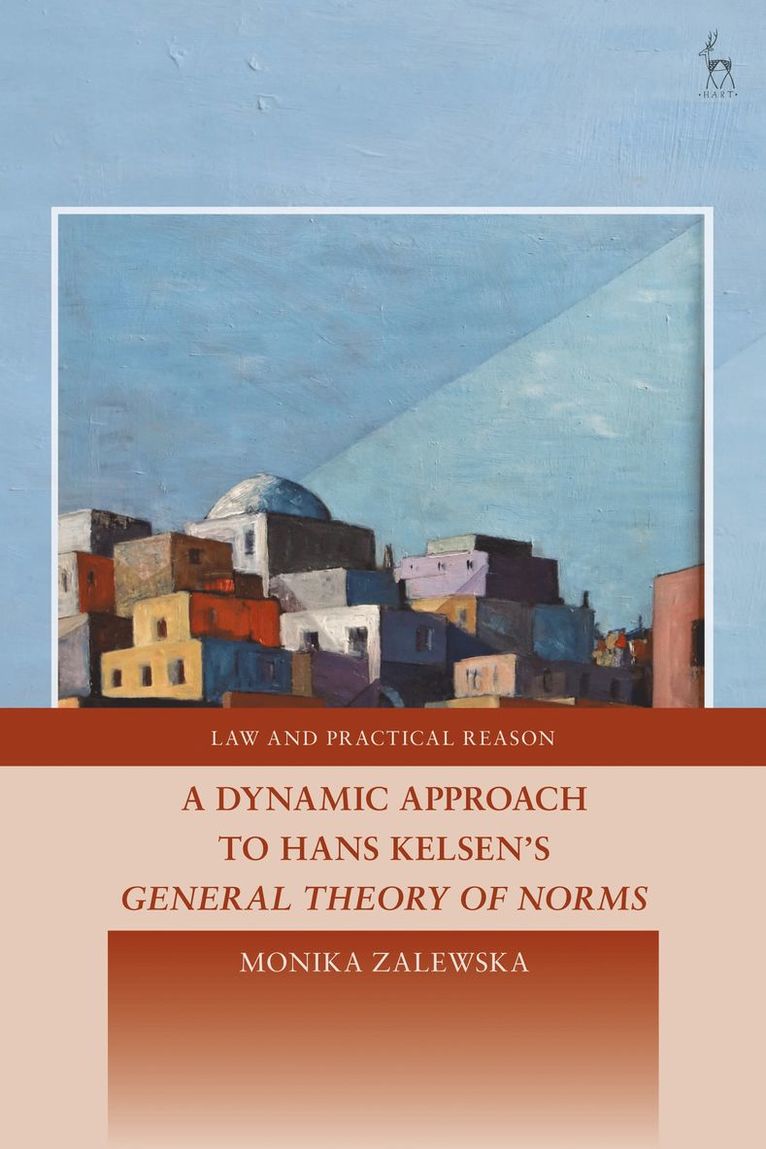
Dynamic Approach to Hans Kelsen's General Theory of Norms
Monika Zalewska, George Pavlakos
Inbunden, 2024
1 509 kr
Dynamic Approach to Hans Kelsen's General Theory of Norms
Monika Zalewska, George Pavlakos, Hillary Nye
Häftad, 2026
759 kr
Hoppa över listan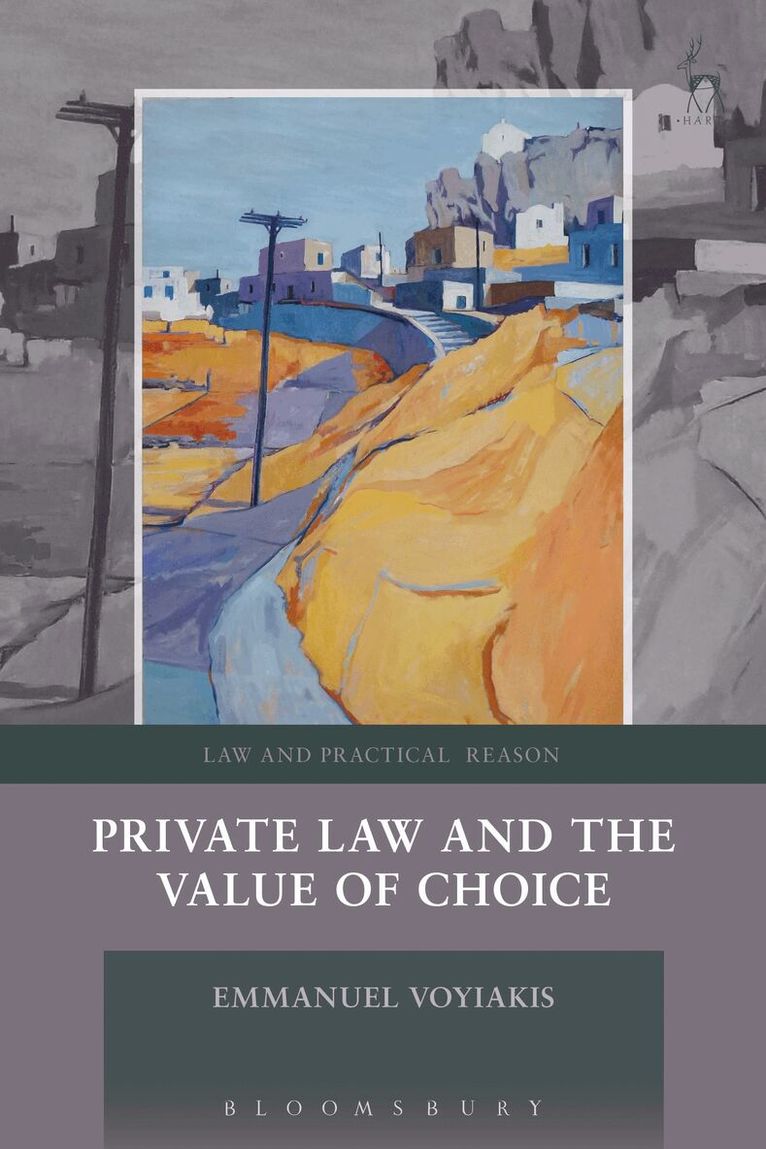


Du kanske också är intresserad av
Reasons and Intentions in Law and Practical Agency
George Pavlakos, Veronica Rodriguez-Blanco
Häftad, 2018
729 kr
Law and Authority under the Guise of the Good
Veronica Rodriguez-Blanco, George Pavlakos
Häftad, 2016
509 kr
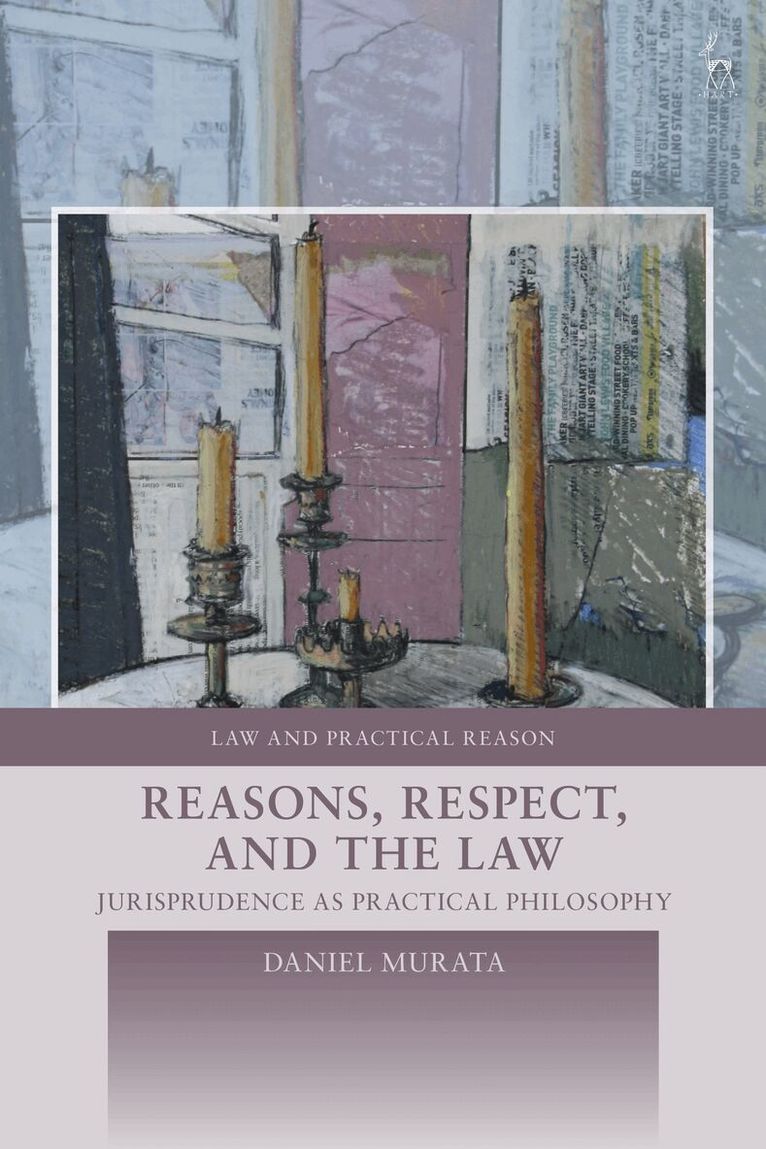
Reasons, Respect, and the Law
Daniel Peixoto Murata, George Pavlakos, Hillary Nye
Inbunden, 2026
1 509 kr
Dynamic Approach to Hans Kelsen's General Theory of Norms
Monika Zalewska, George Pavlakos
Inbunden, 2024
1 509 kr