
Del i serien IMISCOE Research Series
Migration in the Southern Balkans
From Ottoman Territory to Globalized Nation States
Häftad, Engelska, 2016
749 kr
Beställningsvara. Skickas inom 10-15 vardagar. Fri frakt för medlemmar vid köp för minst 249 kr.
Finns i fler format (1)
This open access book collects ten essays that look at intra-regional migration in the Southern Balkans from the late Ottoman period to the present. It examines forced as well as voluntary migrations and places these movements within their historical context, including ethnic cleansing, population exchanges, and demographic engineering in the service of nation-building as well as more recent labor migration due to globalization.Inside, readers will find the work of international experts that cuts across national and disciplinary lines. This cross-cultural, comparative approach fully captures the complexity of this highly fractured, yet interconnected, region.Coverage explores the role of population exchanges in the process of nation-building and irredentist policies in interwar Bulgaria, the story of Thracian refugees and their organizations in Bulgaria, the changing waves of migration from the Balkans to Turkey, Albanian immigrants in Greece, and the diminished importance of ethnic migration after the 1990s. In addition, the collection looks at such under-researched aspects of migration as memory, gender, and religion.The field of migration studies in the Southern Balkans is still fragmented along national and disciplinary lines. Moreover, the study of forced and voluntary migrations is often separate with few interconnections. The essays collected in this book bring these different traditions together. This complete portrait will help readers gain deep insight and better understanding into the diverse migration flows and intercultural exchanges that have occurred in the Southern Balkans in the last two centuries.
Produktinformation
- Utgivningsdatum2016-10-22
- Mått155 x 235 x 13 mm
- Vikt347 g
- FormatHäftad
- SpråkEngelska
- SerieIMISCOE Research Series
- Antal sidor211
- FörlagSpringer International Publishing AG
- ISBN9783319366364
Tillhör följande kategorier
Hoppa över listan



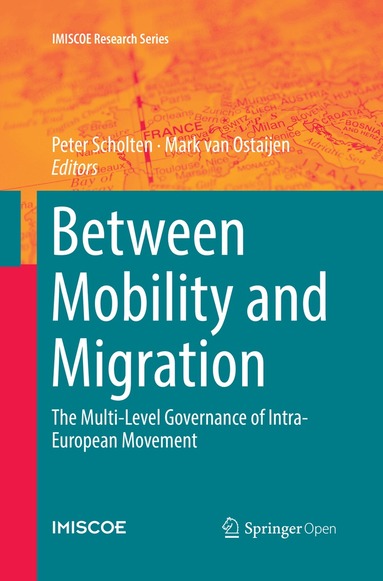
Mer från samma serie
Migrants and Expats: The Swiss Migration and Mobility Nexus
Ilka Steiner, Philippe Wanner
Inbunden, 2019
729 kr
Qualitative Research in European Migration Studies
Ricard Zapata-Barrero, Evren Yalaz
Häftad, 2018
729 kr
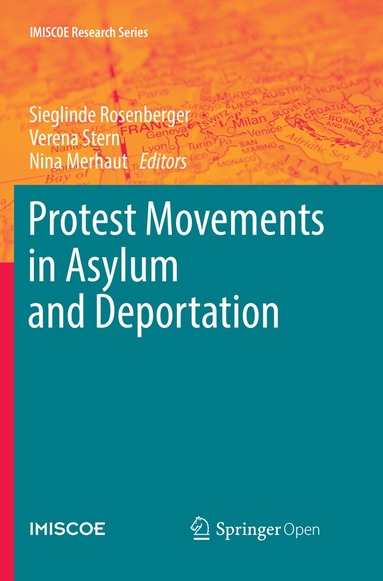
Protest Movements in Asylum and Deportation
Sieglinde Rosenberger, Verena Stern, Nina Merhaut
Häftad, 2019
729 kr
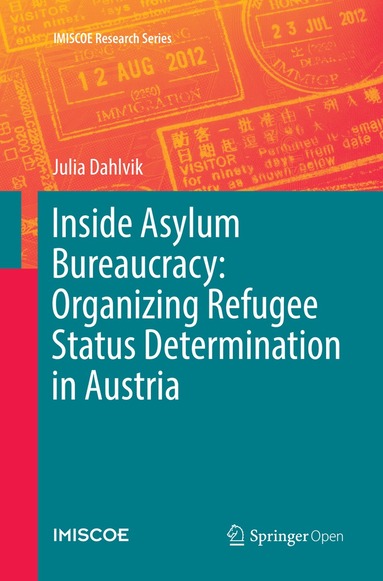
Inside Asylum Bureaucracy: Organizing Refugee Status Determination in Austria
Julia Dahlvik
Häftad, 2019
729 kr
Hoppa över listan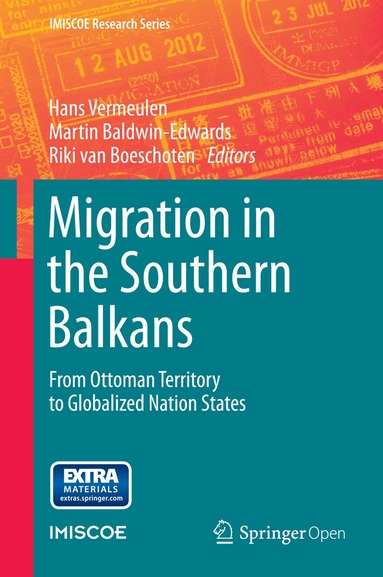








Du kanske också är intresserad av
Migration in the Southern Balkans
Hans Vermeulen, Martin Baldwin-Edwards, Riki van van Boeschoten
Inbunden, 2015
729 kr
Politics of Immigration in Western Europe
Martin Baldwin-Edwards, Martin A. Schain
Inbunden, 1994
2 069 kr
Politics of Immigration in Western Europe
Martin Baldwin-Edwards, Martin A. Schain
Häftad, 1994
1 069 kr
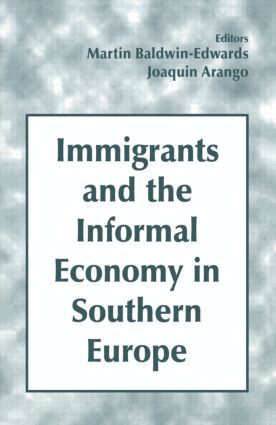
Immigrants and the Informal Economy in Southern Europe
Joaquin Arango, Martin Baldwin-Edwards
Häftad, 1999
1 069 kr
- Nyhet
Del 3
- Nyhet
- Nyhet
Del 6
- Nyhet
Del 7
- Nyhet
Del 4