
Del i serien Studies in Migration and Diaspora
Migration as a Collective Project
A Temporal Perspective on Hadiya Migration to South Africa
Inbunden, Engelska, 2026
3 209 kr
Beställningsvara. Skickas inom 10-15 vardagar. Fri frakt för medlemmar vid köp för minst 249 kr.
This book seeks to broaden the conversation in migration studies by incorporating a collective perspective, as illustrated by the case study of Hadiya migration from Southern Ethiopia to South Africa.Rather than presenting individualism and communalism as opposing forces, the authors conceptualize them as points on a continuum. At the starting end, communal ties are crucial, particularly in the early stages of the Hadiya migration, but over time, as migrants accumulate wealth and encounter increasing competition in South Africa’s informal economy, individualism begins to take precedence, gradually unravelling the social fabric that initially supported collective success. This temporal perspective offers a more nuanced understanding of migration, revealing how it transitions from a collective endeavour to an increasingly individualistic one as circumstances evolve.A convincing and compelling new volume which highlights the transformation of the migration process from a predominantly collectivist endeavour to one characterized by increased individualism, and the resulting need for a temporal perspective to avoid the pitfalls of a binary framework, it will appeal to scholars and students of migration studies, development studies, sociology and African studies.
Produktinformation
- Utgivningsdatum2026-04-30
- Mått152 x 229 x 14 mm
- Vikt590 g
- FormatInbunden
- SpråkEngelska
- SerieStudies in Migration and Diaspora
- Antal sidor218
- FörlagTaylor & Francis Ltd
- ISBN9781041017363
Tillhör följande kategorier
Hoppa över listan

Mer från samma författare
Norms and Violence Against Women in Ethiopia
Adam Moe Fejerskov, Lars Engberg-Pedersen, Meron Zeleke, Dereje Feyissa
Inbunden, 2026
2 119 kr
Del 6
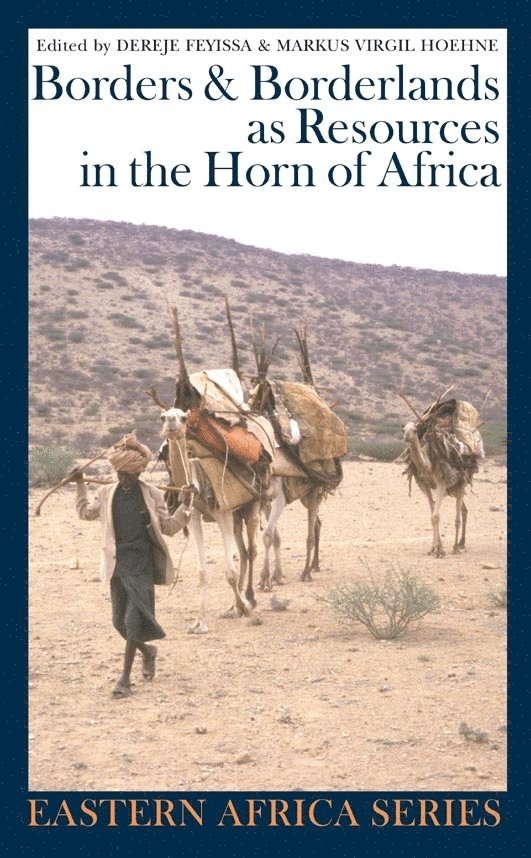
Borders and Borderlands as Resources in the Horn of Africa
Markus Virgil Hoehne, Dereje Feyissa, Markus Virgil Hoehne
Inbunden, 2010
1 429 kr
Del 6
Borders and Borderlands as Resources in the Horn of Africa
Dereje Feyissa, Markus Virgil Hoehne
Häftad, 2015
389 kr
Hoppa över listan








Mer från samma serie
International Marriages and Marital Citizenship
Asuncion Fresnoza-Flot, Gwénola Ricordeau
Häftad, 2019
959 kr
Nordic Whiteness and Migration to the USA
Jana Sverdljuk, Terje Mikael Hasle Joranger, Erika Jackson, Peter Kivisto
Inbunden, 2020
3 309 kr
Hoppa över listan



Du kanske också är intresserad av
Del 6
Borders and Borderlands as Resources in the Horn of Africa
Dereje Feyissa, Markus Virgil Hoehne
Häftad, 2015
389 kr
Lands of the Future
Echi Christina Gabbert, Fana Gebresenbet, John G. Galaty, Günther Schlee
Inbunden, 2021
2 699 kr
Del 23
Lands of the Future
Echi Christina Gabbert, Fana Gebresenbet, John G. Galaty, Günther Schlee
Häftad, 2023
389 kr
Norms and Violence Against Women in Ethiopia
Adam Moe Fejerskov, Lars Engberg-Pedersen, Meron Zeleke, Dereje Feyissa
Inbunden, 2026
2 119 kr
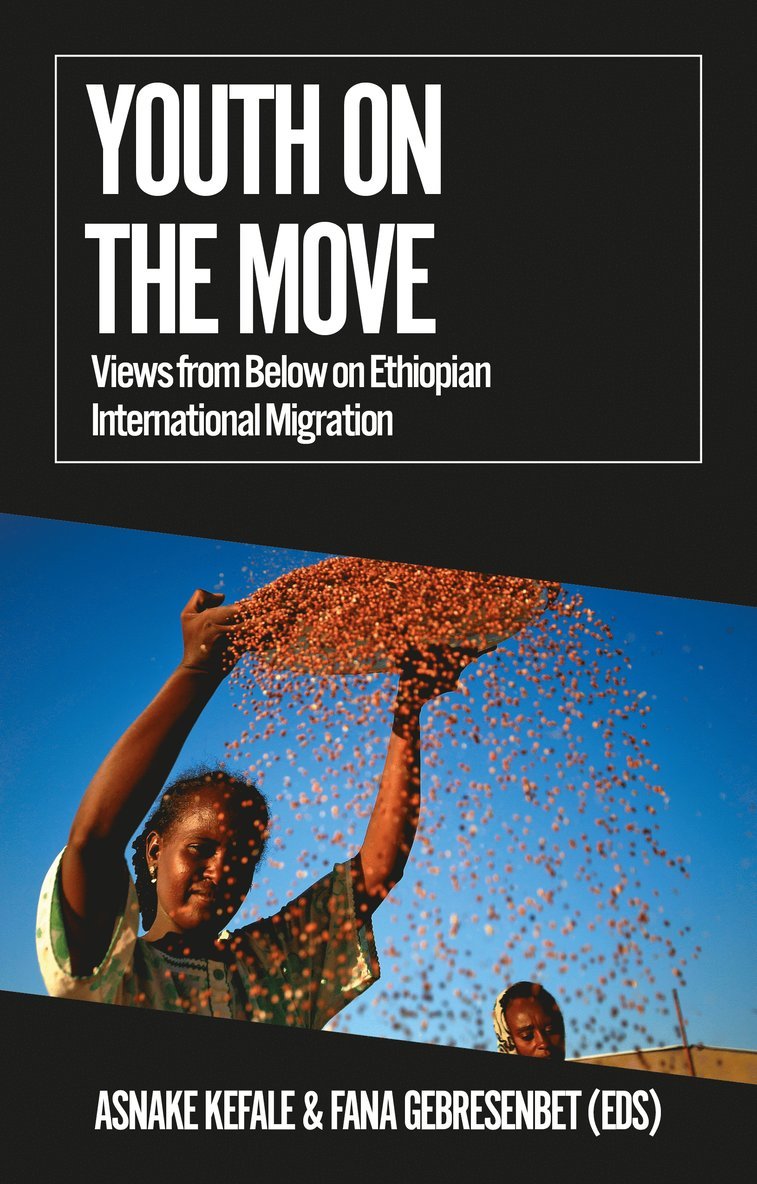
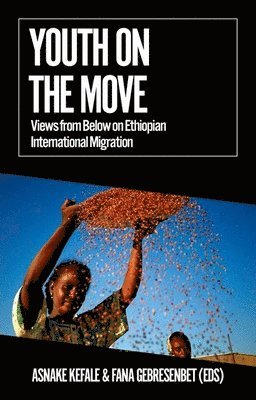
Youth on the Move: Views from Below on Ethiopian International Migration
Asnake Kefale, Fana Gebresenbet
Häftad, 2022
669 kr
Del 6
Borders and Borderlands as Resources in the Horn of Africa
Markus Virgil Hoehne, Dereje Feyissa, Markus Virgil Hoehne
Inbunden, 2010
1 429 kr
- Nyhet