
Mediation and Peacebuilding in an Age of Division
The Wars in Ukraine, South Sudan, and Afghanistan
Häftad, Engelska, 2026
829 kr
Beställningsvara. Skickas inom 10-15 vardagar. Fri frakt för medlemmar vid köp för minst 249 kr.
Finns i fler format (1)
This book explores the major challenges of mediation during armed conflicts and post-conflict peacebuilding in an age of division, when the permanent members of the UN Security Council are fundamentally divided. The author argues that it is critical to mediate armed conflicts and implement peacebuilding by maintaining the fundamental rules of the international system, such as respecting “national sovereignty, borders of states, and self-determination of peoples,” even in the age of division. At the same time, he calls for “adaptive peacebuilding,” reflecting local contexts, histories, and political dynamics, avoiding text-tailored approaches.Dialogues and interviews with the leadership of conflicted states provide unique perspectives on both inter-state and intra-state wars, presenting major findings regarding the wars in Ukraine, South Sudan, and Afghanistan.This volume targets scholars and students of international relations and international organizations, especially those interested in mediation and peacebuilding; it is also valuable for practitioners working for UN, NGOs, think-tanks, diplomats, policymakers, and member states.
Produktinformation
- Utgivningsdatum2026-05-18
- Mått156 x 234 x 13 mm
- Vikt300 g
- FormatHäftad
- SpråkEngelska
- Antal sidor152
- FörlagTaylor & Francis Ltd
- ISBN9781032872582
Tillhör följande kategorier
Hoppa över listan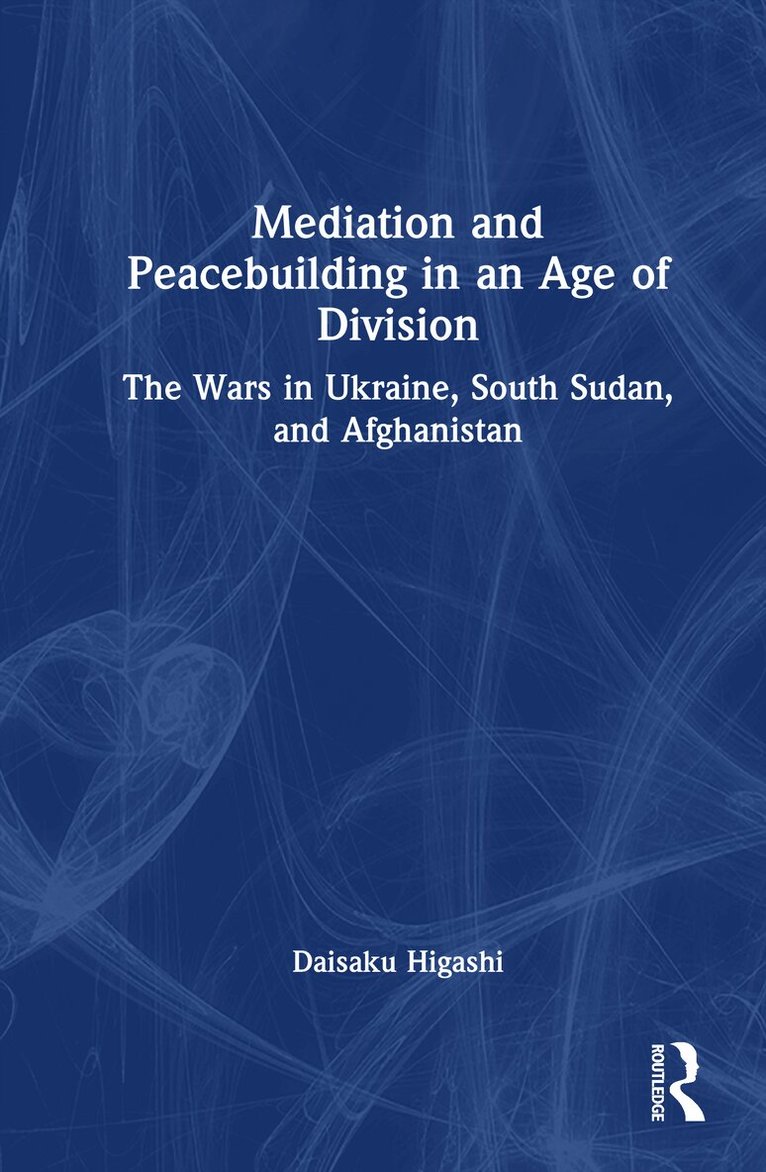






Du kanske också är intresserad av
- Nyhet
Del 3
- Nyhet
Del 11
- Nyhet
Del 6
- Nyhet
Del 4
Del 3
Del 1