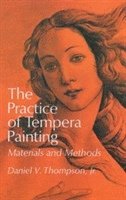
Materials and Techniques of Medieval Painting
Häftad, Engelska, 2003
179 kr
Tillfälligt slut
Sums up 20th-century knowledge: paints, binders, metals, surface preparation. Based on manuscripts and scientific investigation.
Produktinformation
- Utgivningsdatum2003-03-28
- Mått137 x 202 x 13 mm
- Vikt250 g
- FormatHäftad
- SpråkEngelska
- SerieDover Art Instruction
- Antal sidor256
- FörlagDover Publications Inc.
- ISBN9780486203270
Tillhör följande kategorier
- FOREWORD BY BERNARD BERENESONPREFACEINTRODUCTIONI. CARRIERS AND GROUNDSTerminologyThe importance of book paintingParchment-makingVellumQualities of parchmentPreparationsWooden surfacesThe functions of gessoThe use of gessoThe construction of a polyptchVariations of methodOther GroundsCanvasWalls and plastersStructural woodworkII. BINDING MEDIAThe three orders of bindingFunctions of vehiclesViscosity effectsEffects of transparencyQuantity relationsOptics and art historyAbuses of waxMedia for illumination-GlairCraftsmanship and aetheticCraftsmanship and conscienceCraftmanship and industryPreservation of glairGlair v. gumsGum arabicGum tragacanthSizeAdjuncts to glairMedia for panel painting-Egg temperaSizeOil glazesOils and VarnishesMedia for panel painting-LimeOrigin of true frescoPalimpsestsSecco paintingMedia for structural wood paintingOil and sizeIII. PIGMENTSClassificationsElementsMineralsVegetable extractsManufactured saltsBLACK COLOURSInksLampblackVine-charcoal blackColour grindingOther carbon blacksGraphiteIvory blackBROWN COLOURSWHITE PIGMENTSManufacture of white leadModern and medieval white leadsQualities of white leadBone WhiteOthe inert whitesLime whitesRED COLOURSSinopiaThe range of ochresAppetites for colourMinium-orange leadMinium-cinnabarNatural cinnabarVermilionThe invention of vermilionEarly experimental chemistrySupply and demandInfluence of vermilionA defect of vermilionTemperingThe red lakesLac LakeHedera and laccaGrainConfusion of NomenclatureConfusion of Materials-KermesGrain LakesBrazil woodBrazil lakesTransparentOpaqueBrazil extractsThe importance of brazil coloursMadderDragonsbloodFoliumBLUE COLOURSEffects of ageNeutralsAzuritePreparation of azuriteCharacteristics of azurite bluesIndigoWoadWoad indigoWoad cultivationManufactureSocial and economic consequencesCompound indigo pigmentsOther vegtable bluesTurnsoleIdentificationManufactureClothletsUltramarine azureManufactureIntrinsic valueDistributionArtifical copper bluesBlue biceCopper-lime-ammonia compoundsThe silver-blue mysteryThe azure-vermilion tanglePURPLE COLOURSThe whelk redsFolium and archilMixed purplesGREEN COLOURSMalachite greenThe green earthsVerdigrisEffects of ageVerdigris in booksSalt Green and Rouen greenIncompatibilitiesSap Green Iris GreenOther colours from irisHoneysuckle and nightshade greensMixed greensYELLOW COLOURSMedieval use of yellowYellow ochresOrpimentRealgarIncompatibilities of orpimentBile yellowsGiallorino-MassicotSubstitutes for goldMosaic goldOther imitations of goldCelandineAloesSaffronPreperation and useOther organic yellowsRhamnus yellows-Extracts and lakesWeld lakes-ArzicaFustic and othersIV. METALSGold in powderFire gildingAmalgamsGold in leafThickness of medieval goldReflecting surfaces-BurnishingRiver goldChrysography with gold inksUnburnished pigment goldThe beginnings of mordant gildingComposition of a water mordantBurnished water-mordant gildingThe bindersThe colouring agentsThe bulk-formersOther ingredientsUnburnished water mordantsGilding by attritionThe background of craftsmanshipBurnishers and burnishingThe metallic ground Gold-the original intentPreperation of surfaces&nbs