
Masculinities in the Making
From the Local to the Global
Inbunden, Engelska, 2015
1 619 kr
Beställningsvara. Skickas inom 10-15 vardagar. Fri frakt för medlemmar vid köp för minst 249 kr.
Finns i fler format (1)
In Masculinities in the Making, James W. Messerschmidt unravels the mysteries surrounding the question of how masculinities are actually “made.” One of the most respected scholars on the subject of masculinities, Messerschmidt brings together three seemingly disparate groups—wimps, genderqueers, and U.S. presidents—to examine what insight each has to offer our understanding of masculinities. The book is unique in its coverage, including a revised structured action theory; an intersectional analysis of sex, gender, and sexuality; and an examination of the differences among masculinities from the local to the global. Messerschmidt provides a fresh, accessible, and provocative argument that significantly advances our knowledge on masculinities.
Produktinformation
- Utgivningsdatum2015-08-06
- Mått160 x 236 x 21 mm
- Vikt445 g
- FormatInbunden
- SpråkEngelska
- Antal sidor214
- FörlagBloomsbury Publishing Plc
- ISBN9781442232921
Tillhör följande kategorier
Hoppa över listan







Mer från samma författare
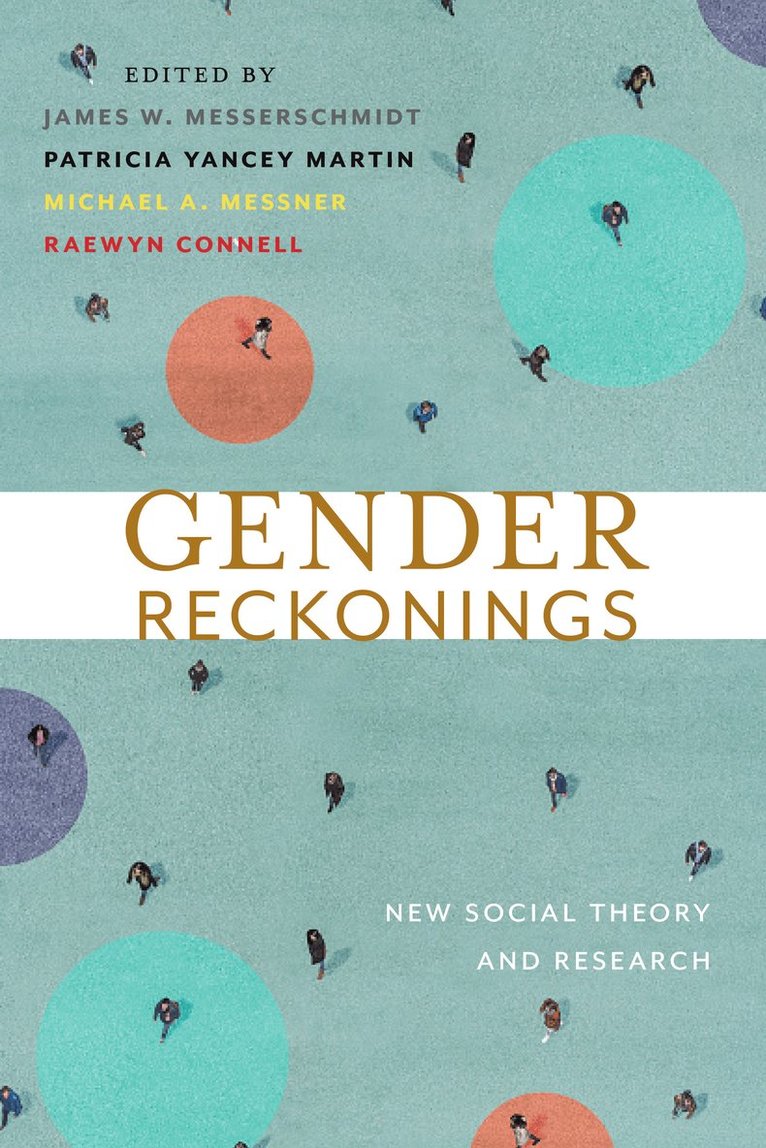
Gender Reckonings
James W. Messerschmidt, Michael A. Messner, Raewyn Connell, Patricia Yancey Martin
Häftad, 2018
559 kr
Hoppa över listan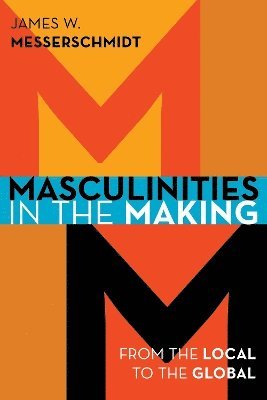
Du kanske också är intresserad av
Gender Reckonings
James W. Messerschmidt, Michael A. Messner, Raewyn Connell, Patricia Yancey Martin
Häftad, 2018
559 kr
Gender Reckonings
James W. Messerschmidt, Michael A. Messner, Raewyn Connell, Patricia Yancey Martin
Inbunden, 2018
1 569 kr