
Locke, Literary Criticism, and Philosophy
Häftad, Engelska, 2006
829 kr
Beställningsvara. Skickas inom 5-8 vardagar. Fri frakt för medlemmar vid köp för minst 249 kr.
Finns i fler format (1)
William Walker's original analysis of John Locke's An Essay Concerning Human Understanding offers a challenging and provocative assessment of Locke's importance as a thinker, bridging the gap between philosophical and literary-critical discussion of his work. He presents Locke as a foundational figure who defines the epistemological and ontological ground on which eighteenth-century and Romantic literature operate and eventually diverge. He is revealed as a crucial figure for emerging modernity, less the familiar empiricist innovator and more the proto-Nietzschean thinker whose text fosters hitherto unsuspected instabilities and promotes a new kind of rhetorical force to counterbalance them. Walker's reading of Locke is at once finely attentive to the text and engagingly resourceful in placing the Essay in its broadest philosophical and historical context.
Produktinformation
- Utgivningsdatum2006-03-16
- Mått152 x 229 x 15 mm
- Vikt368 g
- FormatHäftad
- SpråkEngelska
- SerieCambridge Studies in Eighteenth-Century English Literature and Thought
- Antal sidor248
- FörlagCambridge University Press
- ISBN9780521024747
Tillhör följande kategorier
Hoppa över listan






Mer från samma författare
Plutonium and Highly Enriched Uranium 1996
David Albright, Frans Berkhout, William Walker
Inbunden, 1997
3 899 kr
Hoppa över listan
Mer från samma serie
Del 23
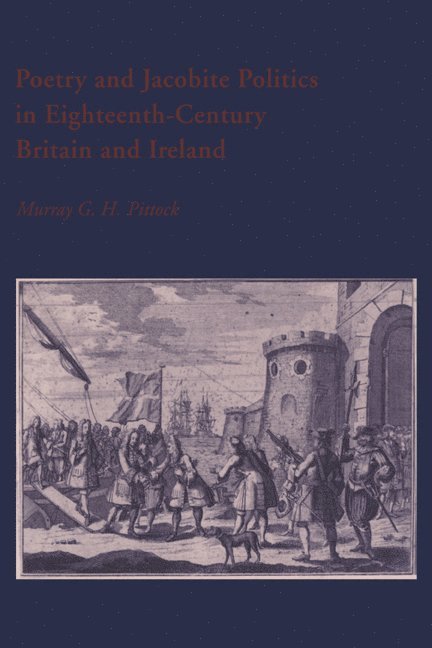
Poetry and Jacobite Politics in Eighteenth-Century Britain and Ireland
Murray G. H. Pittock, Howard Erskine-Hill, John J. Richetti
Häftad, 2006
1 069 kr
Del 23
Poetry and Jacobite Politics in Eighteenth-Century Britain and Ireland
Murray G. H. Pittock, Howard Erskine-Hill
Inbunden, 1994
1 839 kr
Del 25
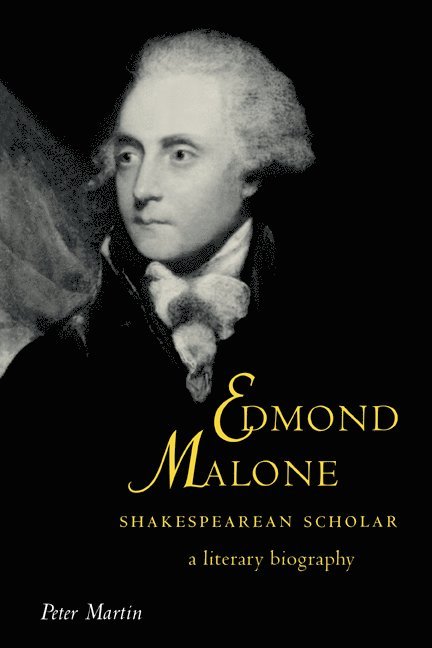
Edmond Malone, Shakespearean Scholar
Peter Martin, Howard Erskine-Hill, John J. Richetti
Häftad, 2005
949 kr
Del 8
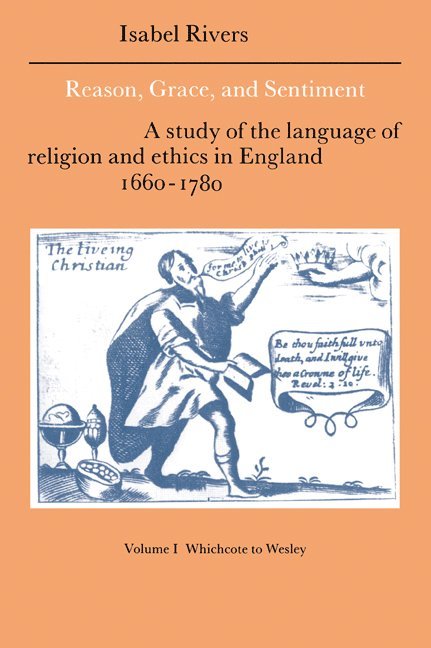
Reason, Grace, and Sentiment: Volume 1, Whichcote to Wesley
Isabel Rivers, Howard Erskine-Hill, John J. Richetti
Häftad, 2005
1 069 kr
Del 37
Reason, Grace, and Sentiment: Volume 2, Shaftesbury to Hume
Isabel Rivers, Howard Erskine-Hill, John J. Richetti
Häftad, 2005
1 069 kr
Del 31
Philosophical Dialogue in the British Enlightenment
Michael Prince, Howard Erskine-Hill, John J. Richetti
Häftad, 2005
769 kr
Del 5
The Body in Swift and Defoe
Carol Houlihan Flynn, Howard Erskine-Hill, John J. Richetti
Häftad, 2005
1 019 kr
Del 29
Del 32
Del 26
Hoppa över listan

Du kanske också är intresserad av
Del 31
Philosophical Dialogue in the British Enlightenment
Michael Prince, Howard Erskine-Hill, John J. Richetti
Inbunden, 1997
2 289 kr
Del 34
Narratives of Enlightenment
Karen O'Brien, Howard Erskine-Hill, John J. Richetti
Inbunden, 1997
1 919 kr
Del 8
Reason, Grace, and Sentiment: Volume 1, Whichcote to Wesley
Isabel Rivers, Howard Erskine-Hill
Inbunden, 1991
2 019 kr
Del 23
Poetry and Jacobite Politics in Eighteenth-Century Britain and Ireland
Murray G. H. Pittock, Howard Erskine-Hill
Inbunden, 1994
1 839 kr
Del 26
Del 35
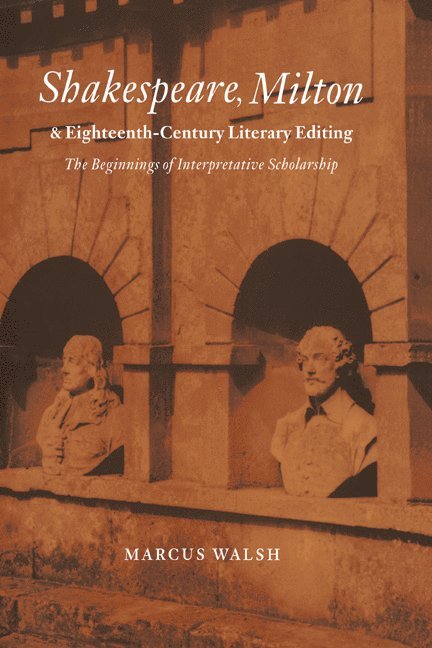
Shakespeare, Milton and Eighteenth-Century Literary Editing
Marcus Walsh, Howard Erskine-Hill
Inbunden, 1997
2 379 kr