
Del i serien Transitional Justice
Localising Memory in Transitional Justice
The Dynamics and Informal Practices of Memorialisation after Mass Violence and Dictatorship
Inbunden, Engelska, 2022
3 309 kr
Beställningsvara. Skickas inom 10-15 vardagar. Fri frakt för medlemmar vid köp för minst 249 kr.
Finns i fler format (1)
This collection adds to the critical transitional justice scholarship that calls for “transitional justice from below” and that makes visible the complex and oftentimes troubled entanglements between justice endeavours, locality, and memory-making. Broadening this perspective, it explores informal memory practices across various contexts with a focus on their individual and collective dynamics and their intersections, reaching also beyond a conceptualisation of memory as mere symbolic reparation and politics of memory.It seeks to highlight the hidden, unwritten, and multifaceted in today’s memory boom by focusing on the memorialisation practices of communities, activists, families, and survivors. Organising its analytical focal point around the localisation of memory, it offers valuable and new insights on how and under what conditions localised memory practices may contribute to recognition and social transformation, as well as how they may at best be inclusive, or exclusive, of dynamic and diverse memories.Drawing on inter- and multi-disciplinary approaches, this book brings an in-depth and nuanced understanding of local memory practices and the dynamics attached to these in transitional justice contexts. It will be of much interest to students and scholars of memory and genocide studies, peace and conflict studies, transitional justice, sociology, and anthropology.
Produktinformation
- Utgivningsdatum2022-05-31
- Mått156 x 234 x 20 mm
- Vikt600 g
- FormatInbunden
- SpråkEngelska
- SerieTransitional Justice
- Antal sidor280
- FörlagTaylor & Francis Ltd
- ISBN9780367344573
Tillhör följande kategorier
Hoppa över listan





Mer från samma serie
Transitional Justice, Corporate Accountability and Socio-Economic Rights
Laura García Martín
Inbunden, 2019
2 949 kr
Hoppa över listan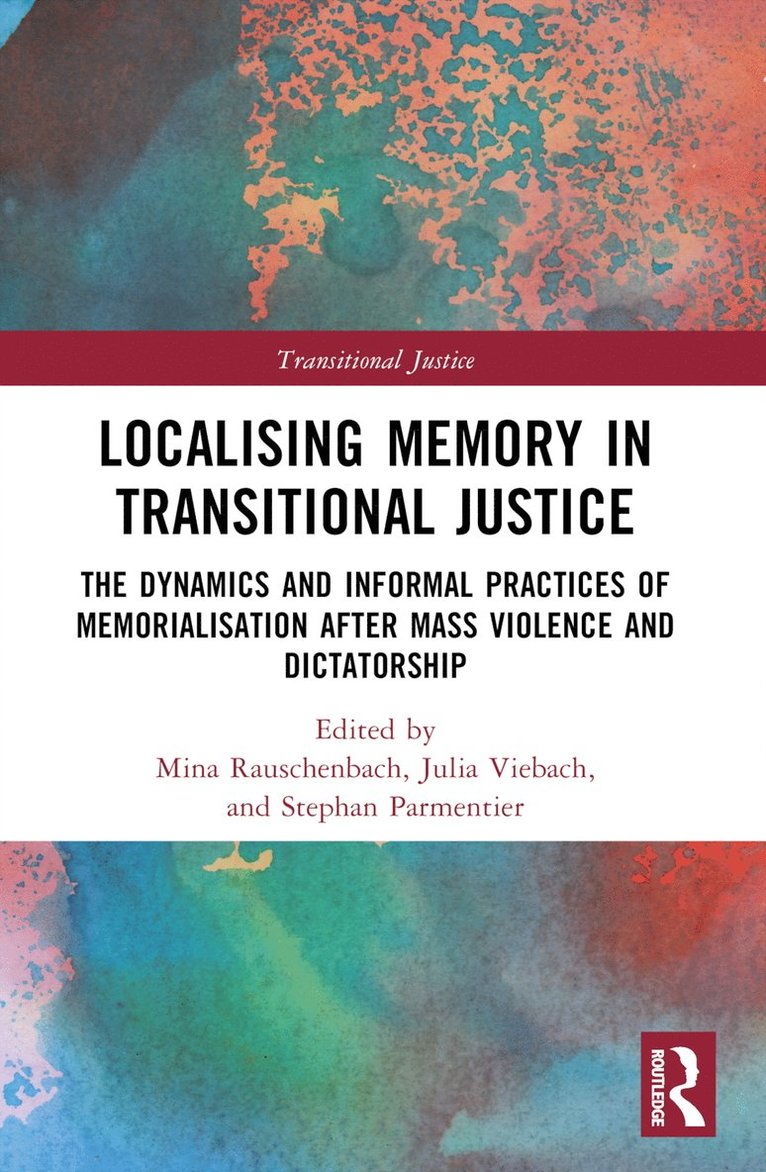






Du kanske också är intresserad av
Localising Memory in Transitional Justice
Mina Rauschenbach, Julia Viebach, Stephan Parmentier
Häftad, 2024
909 kr
Changing Role of Law in Japan
Dimitri Vanoverbeke, Jeroen Maesschalck, David Nelken, Stephan Parmentier
Inbunden, 2014
2 519 kr
The Local Relevance of Human Rights
Koen De Feyter, Stephan Parmentier, Christiane Timmerman, George Ulrich
Inbunden, 2011
2 509 kr
Between Rights and Responsibilities
Stephan Parmentier, Hans Werdmölder, Michaël Merrigan
Häftad, 2016
1 389 kr
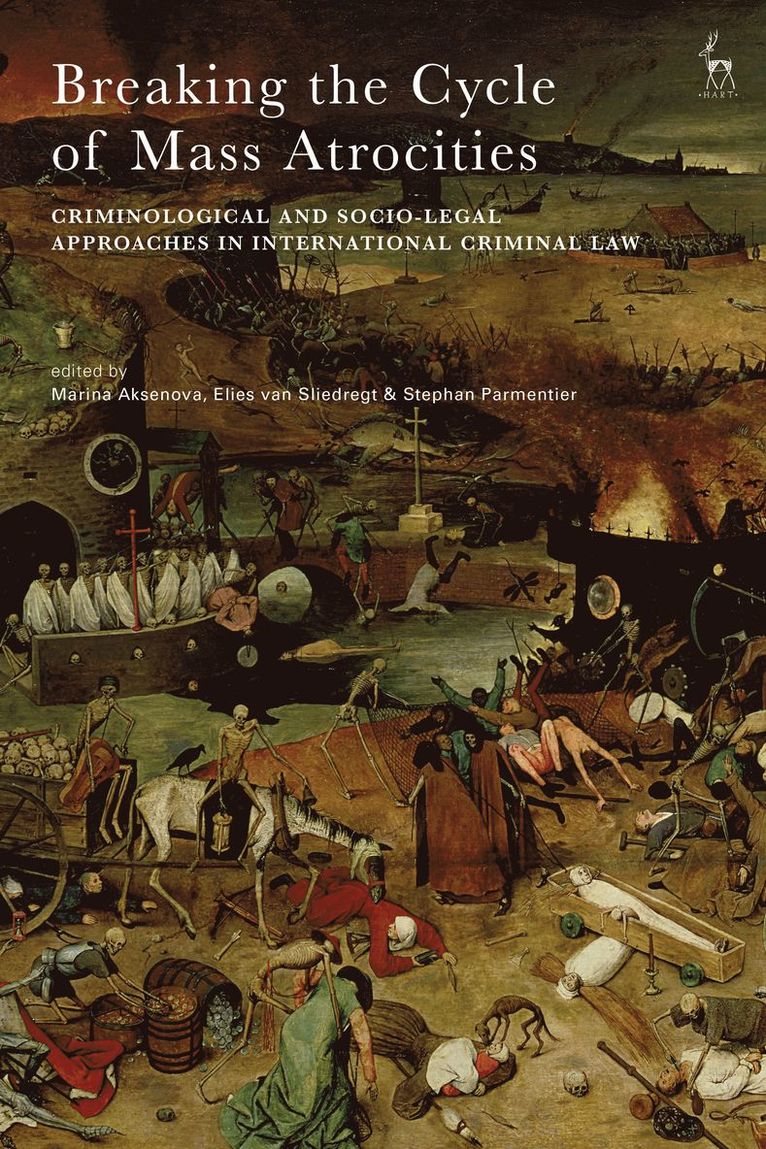
Breaking the Cycle of Mass Atrocities
Marina Aksenova, Elies van Sliedregt, Stephan Parmentier
Häftad, 2020
609 kr
Del 11
Out of the Ashes
TBD, Koen de Feyter, Stephan Parmentier, Marc Bossuyt, Paul Lemmens
Inbunden, 2006
1 529 kr
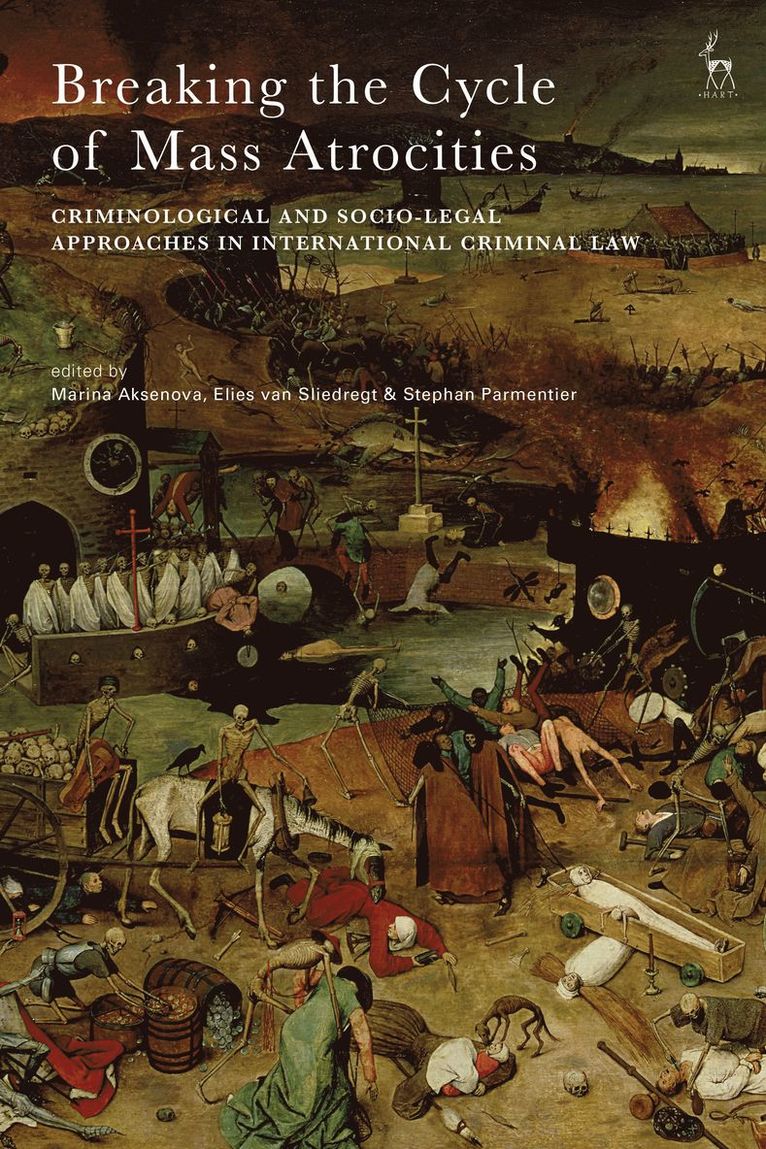
Breaking the Cycle of Mass Atrocities
Marina Aksenova, Elies van Sliedregt, Stephan Parmentier
Inbunden, 2019
1 499 kr