
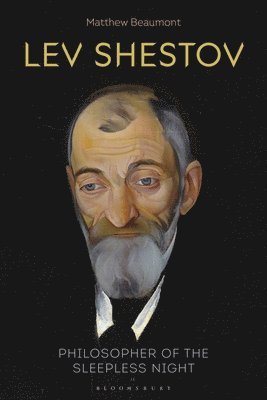
Lev Shestov
Philosopher of the Sleepless Night
Inbunden, Engelska, 2020
1 999 kr
Beställningsvara. Skickas inom 10-15 vardagar. Fri frakt för medlemmar vid köp för minst 249 kr.
Finns i fler format (1)
A 2021 Choice Outstanding Academic TitleThe Jewish philosopher Lev Shestov (1866-1938) is perhaps the great forgotten thinker of the twentieth century, but one whose revival seems timely and urgent in the twenty-first century. An important influence on Georges Bataille, Albert Camus, Gilles Deleuze and many others, Shestov developed a fascinating anti-Enlightenment philosophy that critiqued the limits of reason and triumphantly affirmed an ethics of hope in the face of hopelessness.In a wide-ranging reappraisal of his life and thought, which explores his ideas in relation to the history of literature and painting as well as philosophy, Matthew Beaumont restores Shestov to prominence as a thinker for turbulent times. In reconstructing Shestov’s thought and asserting its continued relevance, the book’s central theme is wakefulness. It argues that for Shestov, escape from the limits of rationalist Enlightenment thought comes from maintaining an insomniac vigilance in the face of the spiritual night to which his century appeared condemned. Shestov’s engagement with the image of Christ remaining awake in the Garden of Gethsemane then, is at the core of his inspiring understanding of our ethical responsibilities after the horrors of the twentieth century.
Produktinformation
- Utgivningsdatum2020-09-17
- Mått156 x 236 x 18 mm
- Vikt480 g
- FormatInbunden
- SpråkEngelska
- Antal sidor216
- FörlagBloomsbury Publishing PLC
- ISBN9781350151147
- UtmärkelserWinner of Choice Outstanding Academic Title 2021 (UK)
Tillhör följande kategorier
Hoppa över listan

Du kanske också är intresserad av
As Radical as Reality Itself
Matthew Beaumont, Andrew Hemingway, Esther Leslie, John Roberts
Häftad, 2007
1 369 kr
Del 41