
Del i serien Bloomsbury Studies in the City
G.K. Chesterton, London and Modernity
Häftad, Engelska, 2016
819 kr
Beställningsvara. Skickas inom 10-15 vardagar. Fri frakt för medlemmar vid köp för minst 249 kr.
G. K. Chesterton, London and Modernity is the first book to explore the persistent theme of the city in Chesterton's writing. Situating him in relation to both Victorian and Modernist literary paradigms, the book explores a range of theoretical and methodological approaches to address the way his imaginative investments and political interventions conceive urban modernity and the central figure of London. While Chesterton's work has often been valued for its wit and whimsy, this book argues that he is also a distinctive urban commentator, whose sophistication has been underappreciated in comparison to more canonical contemporaries. With chapters written by leading scholars in the field of 20th-century literature, the book also provides fresh readings and suggests new contexts for central texts such as The Man Who Was Thursday, The Napoleon of Notting Hill and the Father Brown stories. It also discusses lesser-known works, such as Manalive and The Club of Queer Trades, drawing out their significance for scholars interested in urban representation and practice in the first three decades of the 20th century.
Produktinformation
- Utgivningsdatum2016-02-25
- Mått156 x 234 x 14 mm
- Vikt392 g
- FormatHäftad
- SpråkEngelska
- SerieBloomsbury Studies in the City
- Antal sidor224
- FörlagBloomsbury Publishing PLC
- ISBN9781474275651
Tillhör följande kategorier
Hoppa över listan
Du kanske också är intresserad av
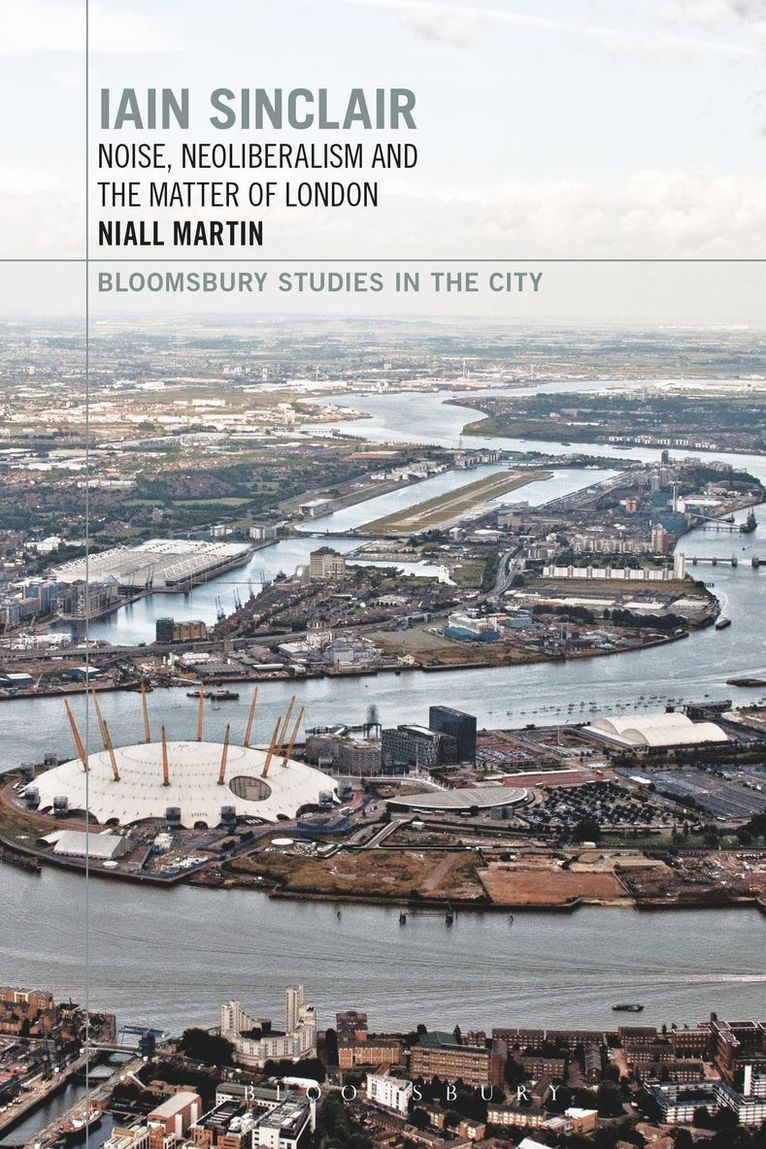
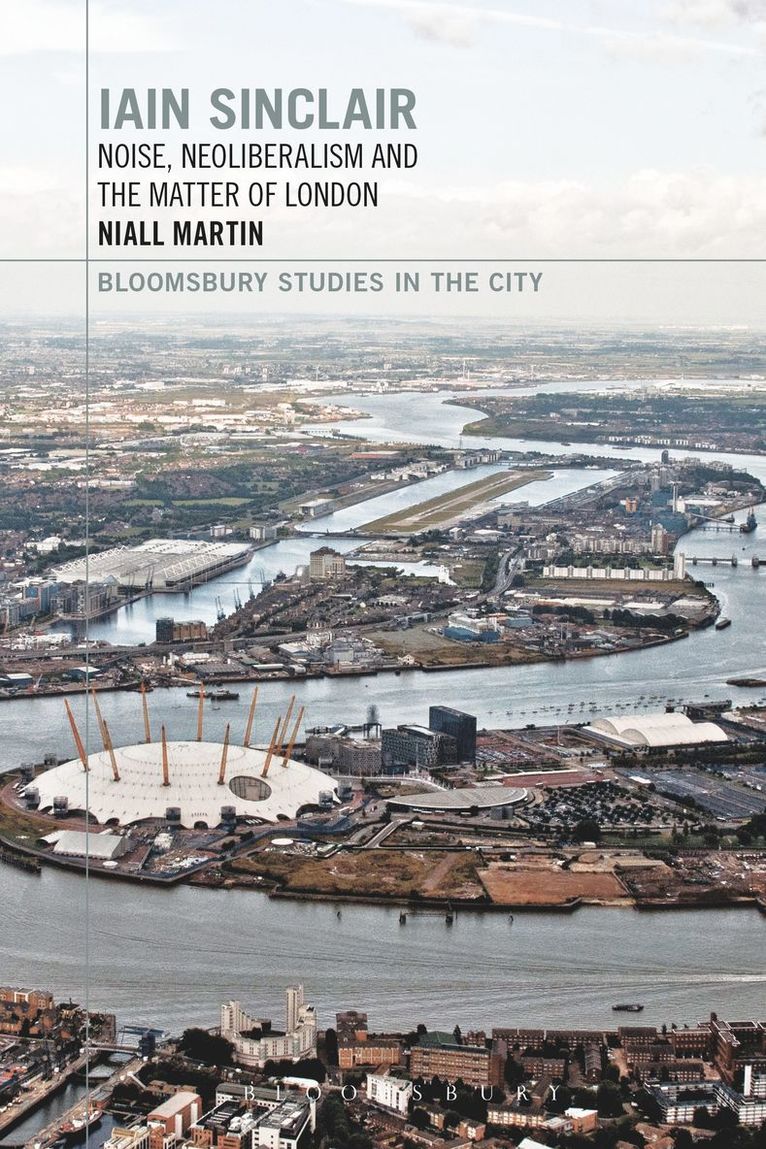
Iain Sinclair: Noise, Neoliberalism and the Matter of London
Niall Martin, Lawrence Phillips
Häftad, 2017
819 kr
Iain Sinclair: Noise, Neoliberalism and the Matter of London
Niall Martin, Lawrence Phillips
Inbunden, 2015
2 709 kr