
Kunstkammer
Early Modern Art and Curiosity Cabinets in the Holy Roman Empire
Inbunden, Engelska, 2022
559 kr
Beställningsvara. Skickas inom 5-8 vardagar. Fri frakt för medlemmar vid köp för minst 249 kr.
Kunstkammern, art and curiosity cabinets housed in a dedicated room or suite of chambers, were often filled with thousands of diverse and sometimes shocking objects reflecting the bounty of nature and human creativity. These could range from a cherry pit carved with dozens of faces to an intricate drinking cup fashioned from a rhinoceros horn. Whether as a setting for personal contemplation or as a manifestation of the wealth and prestige of its owners, these proto-museums dazzled visitors of the time. This book offers the first in-depth comparative examination of the history, theory, organization and character of the major Kunstkammern in the Holy Roman Empire.
Produktinformation
- Utgivningsdatum2022-11-14
- Mått190 x 250 x 25 mm
- Vikt1 232 g
- FormatInbunden
- SpråkEngelska
- Antal sidor336
- FörlagReaktion Books
- ISBN9781789146127
Tillhör följande kategorier
Hoppa över listan
Mer från samma författare
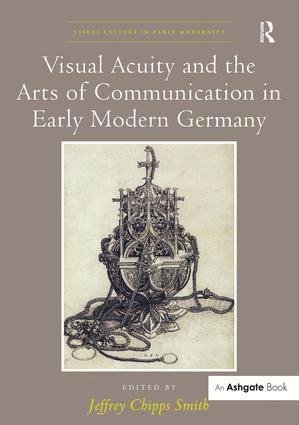
Visual Acuity and the Arts of Communication in Early Modern Germany
Jeffrey Chipps Smith
Häftad, 2018
1 069 kr
Visual Acuity and the Arts of Communication in Early Modern Germany
Jeffrey Chipps Smith
Inbunden, 2014
3 309 kr
Hoppa över listan

Du kanske också är intresserad av
Visual Acuity and the Arts of Communication in Early Modern Germany
Jeffrey Chipps Smith
Häftad, 2018
1 069 kr
Visual Acuity and the Arts of Communication in Early Modern Germany
Jeffrey Chipps Smith
Inbunden, 2014
3 309 kr
- Nyhet
Del 3
- Nyhet
Del 11
- Nyhet
Del 6