
Del i serien Inside East Asia
Japan in the 1960s
Ten Years of Turning Points
Häftad, Engelska, 2025
929 kr
Beställningsvara. Skickas inom 10-15 vardagar. Fri frakt för medlemmar vid köp för minst 249 kr.
Eldridge and Morgan set a new paradigm for East Asian contemporary historiography by viewing the decade of the 1960s as hermeneutically powerful. From street battles over Japan’s security treaty with the United States, to a peace treaty with the former Japanese territory of South Korea, to Japan’s hosting the 1964 Summer Olympics, the 1960s in Japan was a decade of turning points. This book is the first to see the 1960s as a historical subject in its own right and argues that the specificity and internal complexity rooted in East Asia during this period showed how East Asians were dynamic agents in shaping the decade. In this volume, contributors consider Japanese responses to a 1961 coup in the Republic of Korea; the Satō Eisaku administration’s approach to nuclear deterrence and to the question of Okinawa’s return from American control; U.S.-Japan intellectual exchange during the Cold War; support by Japanese businesspeople for the Self-Defense Forces; the “soft power” of Japanese cinema in the 1960s; Japan’s understanding of 1960s United Nations peacekeeping operations; changes in “national polity” discourse in the 1960s; the Dalai Lama’s 1967 visit to Japan; economic development in and cultural exchange between 1960s Japan and Spain; Japan’s science and technology interactions with the United States; and the earliest known, and suspected, cases of North Korean abduction of Japanese citizens. Much of the information in this volume has never appeared in English before.This is an important volume for historians, political scientists, sociologists, and other scholars specializing in the twentieth century and those interested in cutting-edge history-writing about a transformative 10-year period in East Asia.
Produktinformation
- Utgivningsdatum2025-12-26
- Mått156 x 234 x 15 mm
- Vikt380 g
- FormatHäftad
- SpråkEngelska
- SerieInside East Asia
- Antal sidor200
- FörlagTaylor & Francis Ltd
- ISBN9781032796581
Tillhör följande kategorier
Hoppa över listan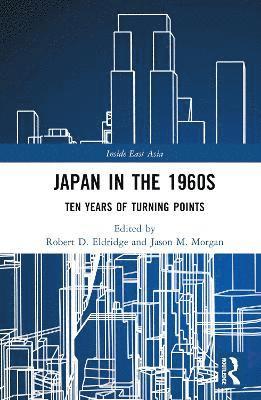







Du kanske också är intresserad av
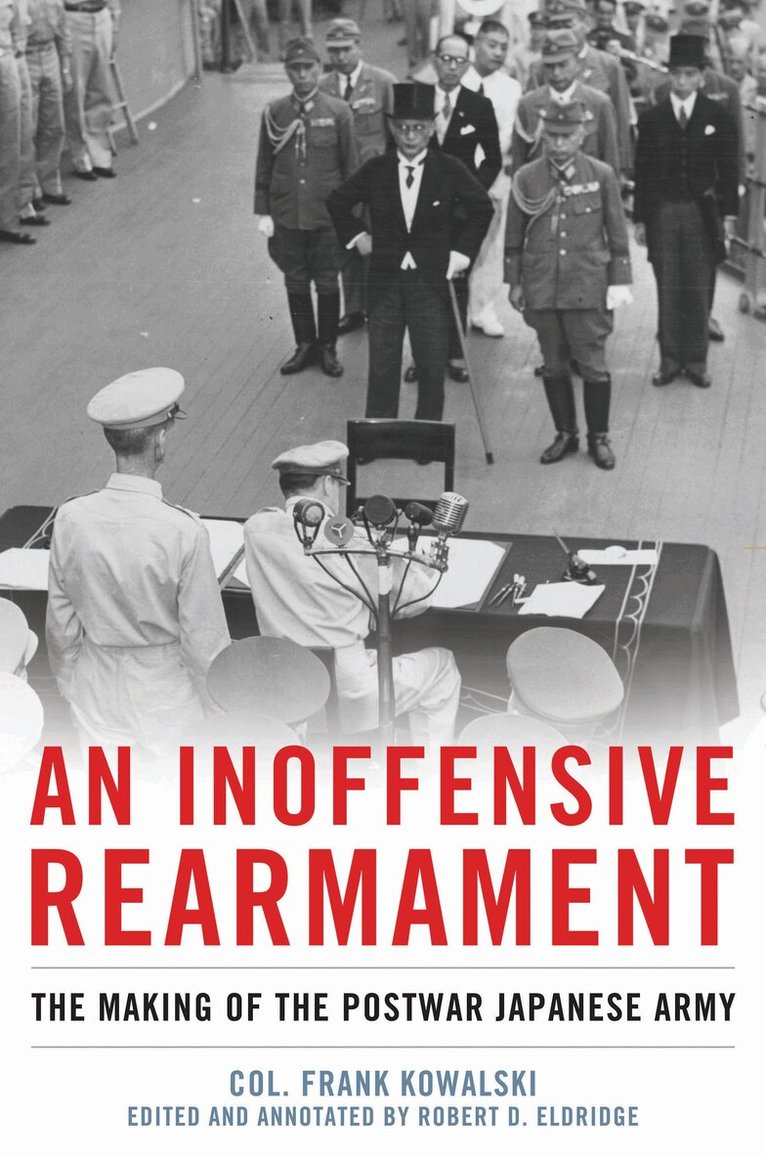
Japan Self-Defense Forces Law
Robert D. Eldridge, Robert D. Eldridge, Musashi Katsuhiro
Inbunden, 2019
2 019 kr
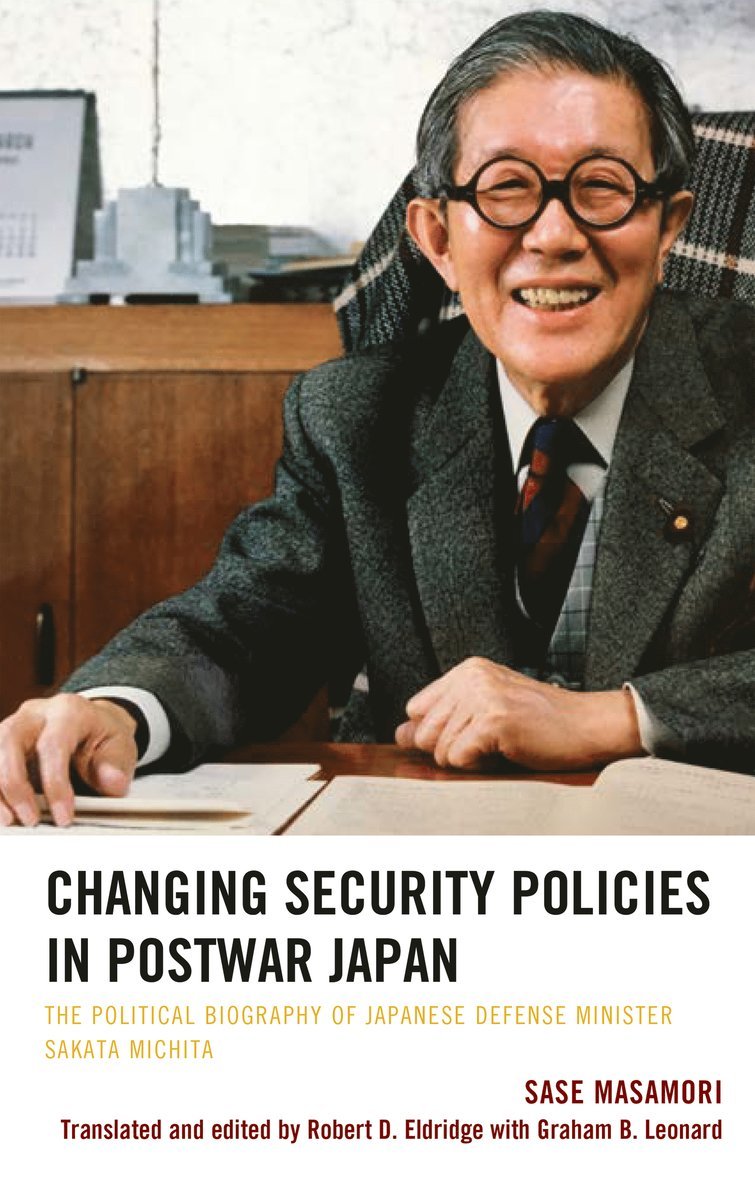
Changing Security Policies in Postwar Japan
Sase Masamori, Robert D. Eldridge, Graham B. Leonard
Inbunden, 2017
1 639 kr