
Del i serien Philosophy of Race
Iranian Identity, American Experience
Philosophical Reflections on Race, Rights, Capabilities, and Oppression
Häftad, Engelska, 2023
589 kr
Beställningsvara. Skickas inom 10-15 vardagar. Fri frakt för medlemmar vid köp för minst 249 kr.
Finns i fler format (1)
Iranian Identity, American Experience: Philosophical Reflections on Race, Rights, Capabilities and Oppression is a multidisciplinary study of oppression using the Iranian American community as its case study. In current studies of oppression, there is little philosophical analysis or a theoretical framework to think about race from the perspective of an immigrant community in the United States that appears to be educated and affluent. Iranian Identity, American Experience fills this gap. Alavi discusses a theory of oppression that addresses not only the external oppression inflicted on people of color but also the everyday actions that leave them in oppressive situations. The book ends with suggestions for addressing oppression both individually and as a collective and for fighting to minimize its harms.
Produktinformation
- Utgivningsdatum2023-03-27
- Mått151 x 228 x 13 mm
- Vikt254 g
- FormatHäftad
- SpråkEngelska
- SeriePhilosophy of Race
- Antal sidor166
- FörlagBloomsbury Publishing Plc
- ISBN9781498575119
Tillhör följande kategorier
Hoppa över listan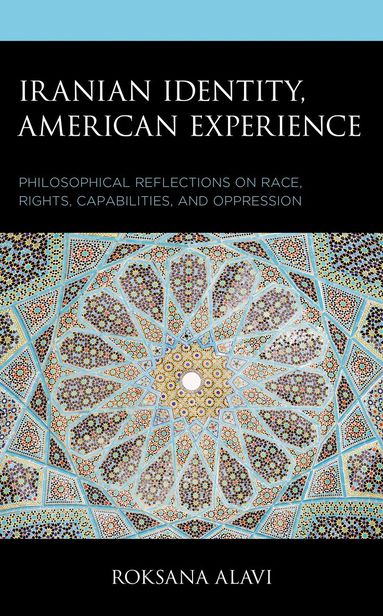







Du kanske också är intresserad av
- Nyhet
Del 7
- Nyhet
Del 11
- Nyhet
Del 4
- Nyhet
Del 6
- Nyhet
Del 3
- Nyhet
- Nyhet