
Del 12 i serien Interpreting History
Interpreting Agriculture at Museums and Historic Sites
Häftad, Engelska, 2017
749 kr
Beställningsvara. Skickas inom 10-15 vardagar. Fri frakt för medlemmar vid köp för minst 249 kr.
Finns i fler format (1)
Interpreting Agriculture in Museums and Historic Sites orients readers to major themes in agriculture and techniques in education and interpretation that can help you develop humanities-based public programming that enhance agricultural literacy. Case studies illustrate the ways that local research can help you link your history organization to compelling local, national (even international) stories focused on the multidisciplinary topic. That ordinary plow, pitch fork, and butter paddle can provide the tangible evidence of the story worth telling, even if the farm land has disappeared into subdivisions and agriculture seems as remote as the nineteenth century. Other topics include discussion of alliances between rural tourism and community-supported agriculture, farmland conservation and stewardship, heritage breed and seed preservation efforts, and antique tractor clubs. Any of these can become indispensable partners to history organizations searching for a new interpretive theme to explore and new partners to engage.
Produktinformation
- Utgivningsdatum2017-01-23
- Mått179 x 256 x 17 mm
- Vikt576 g
- FormatHäftad
- SpråkEngelska
- SerieInterpreting History
- Antal sidor284
- FörlagBloomsbury Publishing Plc
- ISBN9781442230118
Tillhör följande kategorier
Hoppa över listan
Mer från samma författare
Del 17
Interpreting the Environment at Museums and Historic Sites
Debra A. Reid, David D. Vail
Inbunden, 2019
1 669 kr
Del 17
Interpreting the Environment at Museums and Historic Sites
Debra A. Reid, David D. Vail
Häftad, 2019
779 kr
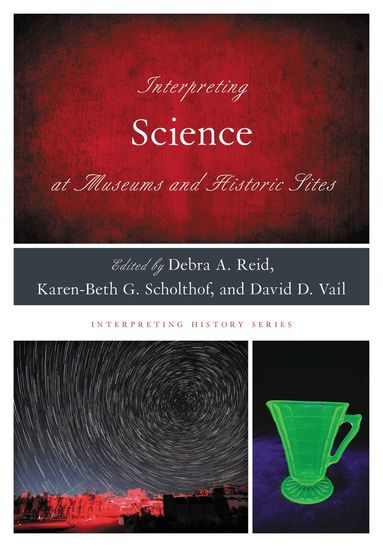
Interpreting Science at Museums and Historic Sites
Debra A. Reid, Karen-Beth G. Scholthof, David D. Vail
Inbunden, 2023
2 039 kr
Interpreting Science at Museums and Historic Sites
Debra A. Reid, Karen-Beth G. Scholthof, David D. Vail
Häftad, 2023
799 kr
Hoppa över listan





Mer från samma serie
Del 3
Interpreting African American History and Culture at Museums and Historic Sites
Max A. van Balgooy
Inbunden, 2014
1 809 kr
Del 3
Interpreting African American History and Culture at Museums and Historic Sites
Max A. van Balgooy
Häftad, 2014
769 kr
Del 5
Interpreting Slavery at Museums and Historic Sites
Kristin L. Gallas, James DeWolf Perry
Inbunden, 2014
1 719 kr
Del 5
Interpreting Slavery at Museums and Historic Sites
Kristin L. Gallas, James DeWolf Perry
Häftad, 2014
709 kr
Del 1
Interpreting Native American History and Culture at Museums and Historic Sites
Raney Bench
Inbunden, 2014
1 669 kr
Del 1
Interpreting Native American History and Culture at Museums and Historic Sites
Raney Bench
Häftad, 2014
689 kr
Del 4
Del 4
Del 2
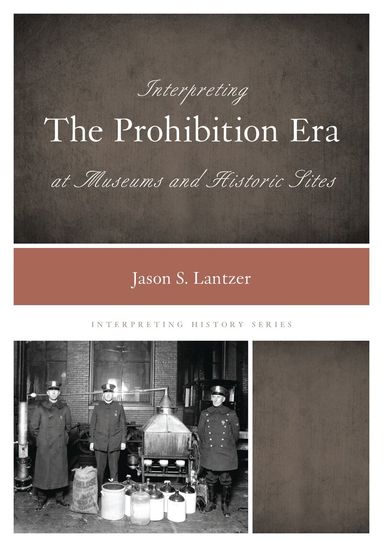
Interpreting the Prohibition Era at Museums and Historic Sites
Jason S. Lantzer
Inbunden, 2014
1 719 kr
Del 2
Hoppa över listan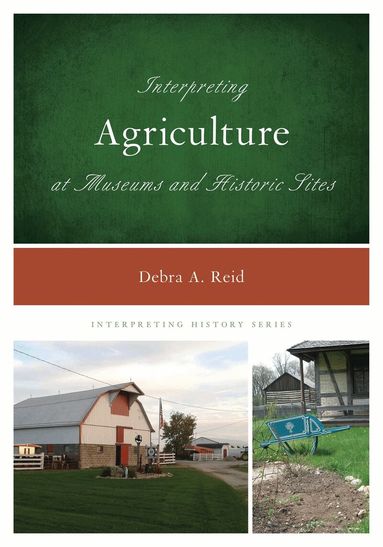
Du kanske också är intresserad av
Del 12
Del 17
Interpreting the Environment at Museums and Historic Sites
Debra A. Reid, David D. Vail
Inbunden, 2019
1 669 kr
Interpreting Science at Museums and Historic Sites
Debra A. Reid, Karen-Beth G. Scholthof, David D. Vail
Inbunden, 2023
2 039 kr
Del 17
Interpreting the Environment at Museums and Historic Sites
Debra A. Reid, David D. Vail
Häftad, 2019
779 kr
Interpreting Science at Museums and Historic Sites
Debra A. Reid, Karen-Beth G. Scholthof, David D. Vail
Häftad, 2023
799 kr
Del 3
Interpreting African American History and Culture at Museums and Historic Sites
Max A. van Balgooy
Inbunden, 2014
1 809 kr
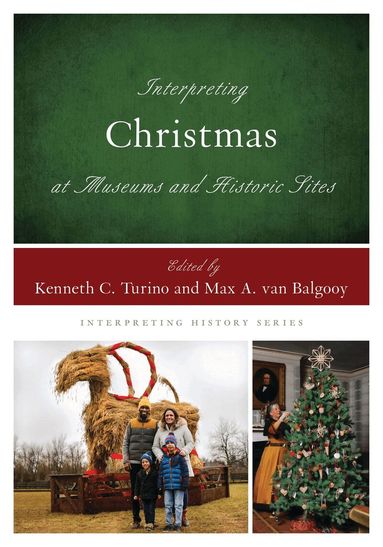
Interpreting Christmas at Museums and Historic Sites
Kenneth C. Turino, Max A. van Balgooy
Häftad, 2024
729 kr
Del 14