
Del 3 i serien Interpreting History
Interpreting African American History and Culture at Museums and Historic Sites
Häftad, Engelska, 2014
759 kr
Beställningsvara. Skickas inom 10-15 vardagar. Fri frakt för medlemmar vid köp för minst 249 kr.
Finns i fler format (1)
In this landmark guide, nearly two dozen essays by scholars, educators, and museum leaders suggest the next steps in the interpretation of African American history and culture from the colonial period to the twentieth century at history museums and historic sites. This diverse anthology addresses both historical research and interpretive methodologies, including investigating church and legal records, using social media, navigating sensitive or difficult topics, preserving historic places, engaging students and communities, and strengthening connections between local and national history. Case studies of exhibitions, tours, and school programs from around the country provide practical inspiration, including photographs of projects and examples of exhibit label text.Highlights include:Amanda Seymour discusses the prevalence of "false nostalgia" at the homes of the first five presidents and offers practical solutions to create a more inclusive, nuanced history.Dr. Bernard Powers reveals that African American church records are a rich but often overlooked source for developing a more complete portrayal of individuals and communities.Dr. David Young, executive director of Cliveden, uses his experience in reinterpreting this National Historic Landmark to identify four ways that people respond to a history that has been too often untold, ignored, or appropriated—and how museums and historic sites can constructively respond.Dr. Matthew Pinsker explains that historic sites may be missing a huge opportunity in telling the story of freedom and emancipation by focusing on the underground railroad rather than its much bigger "upper-ground" counterpart.Martha Katz-Hyman tackles the challenges of interpreting the material culture of both enslaved and free African Americans in the years before the Civil War by discussing the furnishing of period rooms.Dr. Benjamin Filene describes three "micro-public history" projects that lead to new ways of understanding the past, handling source limitations, building partnerships, and reaching audiences.Andrea Jones shares her approach for engaging students through historical simulations based on the "Fight for Your Rights" school program at the Atlanta History Center.A exhibit on African American Vietnam War veterans at the Heinz History Center not only linked local and international events, but became an award-winning model of civic engagement. A collaboration between a university and museum that began as a local history project interpreting the Scottsboro Boys Trial as a website and brochure ended up changing Alabama law.A list of national organizations and an extensive bibliography on the interpretation of African American history provide convenient gateways to additional resources.
Produktinformation
- Utgivningsdatum2014-12-23
- Mått187 x 257 x 20 mm
- Vikt649 g
- FormatHäftad
- SpråkEngelska
- SerieInterpreting History
- Antal sidor234
- FörlagBloomsbury Publishing Plc
- MedarbetareLonnieG. BunchIII
- ISBN9780759122796
Tillhör följande kategorier
Hoppa över listan
Mer från samma författare
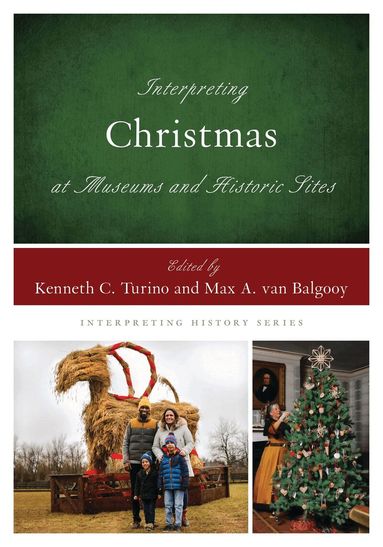
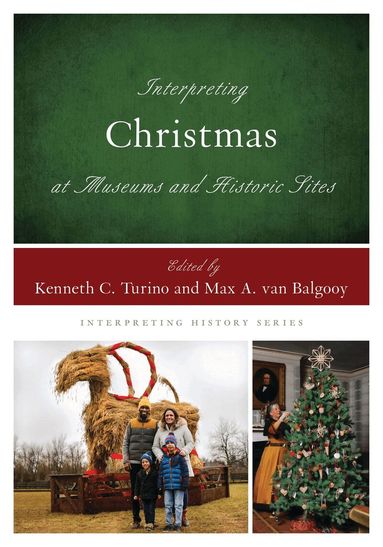
Interpreting Christmas at Museums and Historic Sites
Kenneth C. Turino, Max A. van Balgooy
Inbunden, 2024
1 859 kr
Interpreting Christmas at Museums and Historic Sites
Kenneth C. Turino, Max A. van Balgooy
Häftad, 2024
729 kr
Hoppa över listan
Mer från samma serie
Del 5
Interpreting Slavery at Museums and Historic Sites
Kristin L. Gallas, James DeWolf Perry
Inbunden, 2014
1 699 kr
Del 5
Interpreting Slavery at Museums and Historic Sites
Kristin L. Gallas, James DeWolf Perry
Häftad, 2014
709 kr
Del 1
Interpreting Native American History and Culture at Museums and Historic Sites
Raney Bench
Inbunden, 2014
1 669 kr
Del 1
Interpreting Native American History and Culture at Museums and Historic Sites
Raney Bench
Häftad, 2014
689 kr
Del 4
Del 4
Del 2
Interpreting the Prohibition Era at Museums and Historic Sites
Jason S. Lantzer
Inbunden, 2014
1 699 kr
Del 2
Del 7
Del 7
Hoppa över listan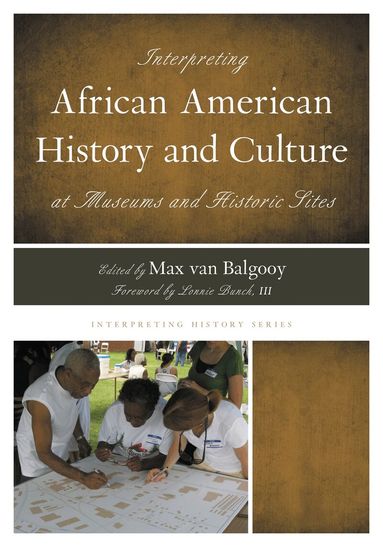
Du kanske också är intresserad av
Del 3
Interpreting African American History and Culture at Museums and Historic Sites
Max A. van Balgooy
Inbunden, 2014
1 799 kr
Interpreting Christmas at Museums and Historic Sites
Kenneth C. Turino, Max A. van Balgooy
Häftad, 2024
729 kr
Interpreting Christmas at Museums and Historic Sites
Kenneth C. Turino, Max A. van Balgooy
Inbunden, 2024
1 859 kr
Del 12
Del 17
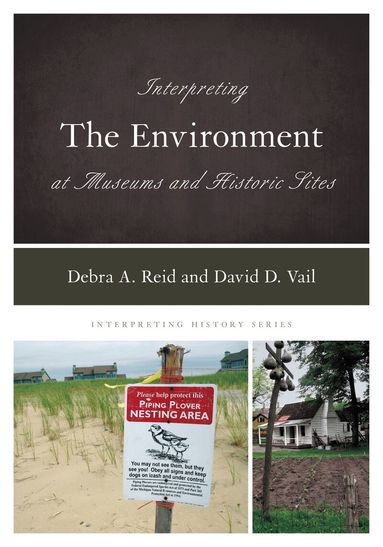
Interpreting the Environment at Museums and Historic Sites
Debra A. Reid, David D. Vail
Inbunden, 2019
1 669 kr
Del 14
Del 13