
Del i serien New Horizons in Management series
Innovation Imperative in Health Care Organisations
Critical Role of Human Resource Management in the Cost, Quality and Productivity Equation
Inbunden, Engelska, 2012
2 839 kr
Beställningsvara. Skickas inom 5-8 vardagar. Fri frakt för medlemmar vid köp för minst 249 kr.
This insightful book discusses vital concepts of system sustainability in terms of productivity, quality improvement, innovation and cost control in the context of maximizing the potential of staff in the health care sector through effective human resource management.Health systems in the western world face increasingly intense pressure to contain or reduce costs, while countries such as China and India move towards universal coverage. The contributors illustrate that radical gains in efficiency and innovative practice are required internationally in health care systems. They argue that the high proportion of health care system costs invested in staffing place the human resource function at the forefront of meeting this challenge. Sustained system change and productivity gains, more effective management of staff and work climate are essential elements of reform and are all covered in this bookThe book provides practical examples as to how health service managers can rise to the challenge of sustaining services against greater pressures than ever before. It will strongly appeal to academics and students of health service management and public sector management. Health service managers, HR professionals in health as well as clinical staff will also find plenty of informative information in this enriching compendium.Contributors include: J. Appleby, N. Ashkanasy, F. Barwell, H. Bevan, M. Cooke, S. Cross, H. Flanagan, A. Grove, J. Hartley, M. Hopkins, H. Laschinger, S. Leggat, P. Mazelan, J. Ovretveit, A. Richardsen
Produktinformation
- Utgivningsdatum2012-11-30
- Mått156 x 234 x undefined mm
- FormatInbunden
- SpråkEngelska
- SerieNew Horizons in Management series
- FörlagEdward Elgar Publishing Ltd
- ISBN9781849809849
Tillhör följande kategorier
Hoppa över listan





Du kanske också är intresserad av
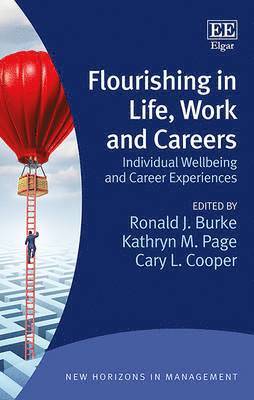
Flourishing in Life, Work and Careers
Ronald J. Burke, Kathryn M. Page, Cary Cooper
Inbunden, 2015
3 369 kr
Human Resource Management in the Public Sector
Ronald J. Burke, Andrew J. Noblet, Cary Cooper
Inbunden, 2013
3 119 kr
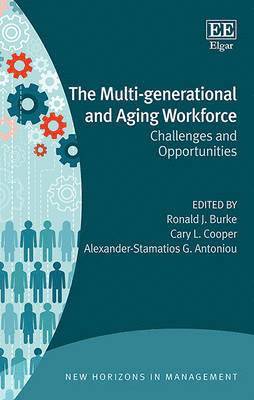
Multi-generational and Aging Workforce
Ronald J. Burke, Cary Cooper, Alexander-Stamatios G. Antoniou
Inbunden, 2015
3 319 kr