
Del i serien Routledge Research in Religion and Education
Improving the Pedagogy of Islamic Religious Education in Secondary Schools
The Role of Critical Religious Education and Variation Theory
Häftad, Engelska, 2021
889 kr
Beställningsvara. Skickas inom 10-15 vardagar. Fri frakt för medlemmar vid köp för minst 249 kr.
Finns i fler format (1)
This timely book focusses on the central issues and questions which emerge in relation to the teaching and learning of Islam in confessional and constructivist religious education. Considering the consequences of a lack of diversity in the Islamic Religious Education curriculum, the text also explores the challenges faced by Muslim pupils in connection with secularism and radical Islam. Through rich analysis of research carried out across Muslim and public secondary schools in the UK, this book develops a meaningful pedagogy of Islamic Religious Education. In particular, the volume investigates the benefits of Critical Religious Education and Variation Theory frameworks on student learning in Religious Education classrooms and illustrates how these didactic frameworks can help to ameliorate distinct problems seen across Islamic Religious Education. Chapters identify discrete pedagogical issues that arise in the confessional and constructivist approaches to Islamic Education, such as students’ difficulties in relating to concept of Islam, and progressive approaches taken in public schools. In addressing these, the text proposes a new theoretical and pedagogical approach to the teaching of Islam, which draws on the philosophy of Critical Realism, the theories of Critical Religious Education, and Variation Theory.This book will be of great interest to postgraduate students, researcher scholars and academics in the fields of religion and education and Islamic studies. In addition, it will be of interest to social equity professionals and public policy decision makers.
Produktinformation
- Utgivningsdatum2021-03-31
- Mått152 x 229 x 14 mm
- Vikt362 g
- FormatHäftad
- SpråkEngelska
- SerieRoutledge Research in Religion and Education
- Antal sidor248
- FörlagTaylor & Francis Ltd
- ISBN9780367784102
Tillhör följande kategorier
Hoppa över listan
Mer från samma serie
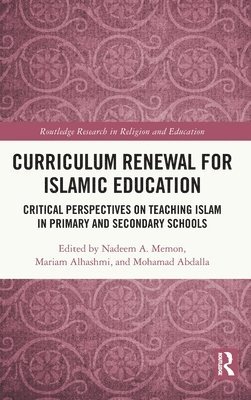
Curriculum Renewal for Islamic Education
Nadeem A. Memon, Mariam Alhashmi, Mohamad Abdalla
Inbunden, 2021
3 119 kr
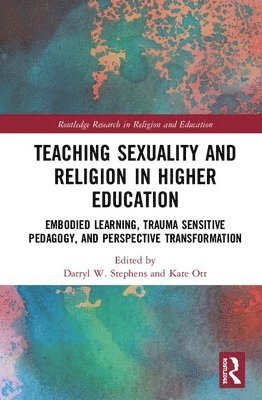
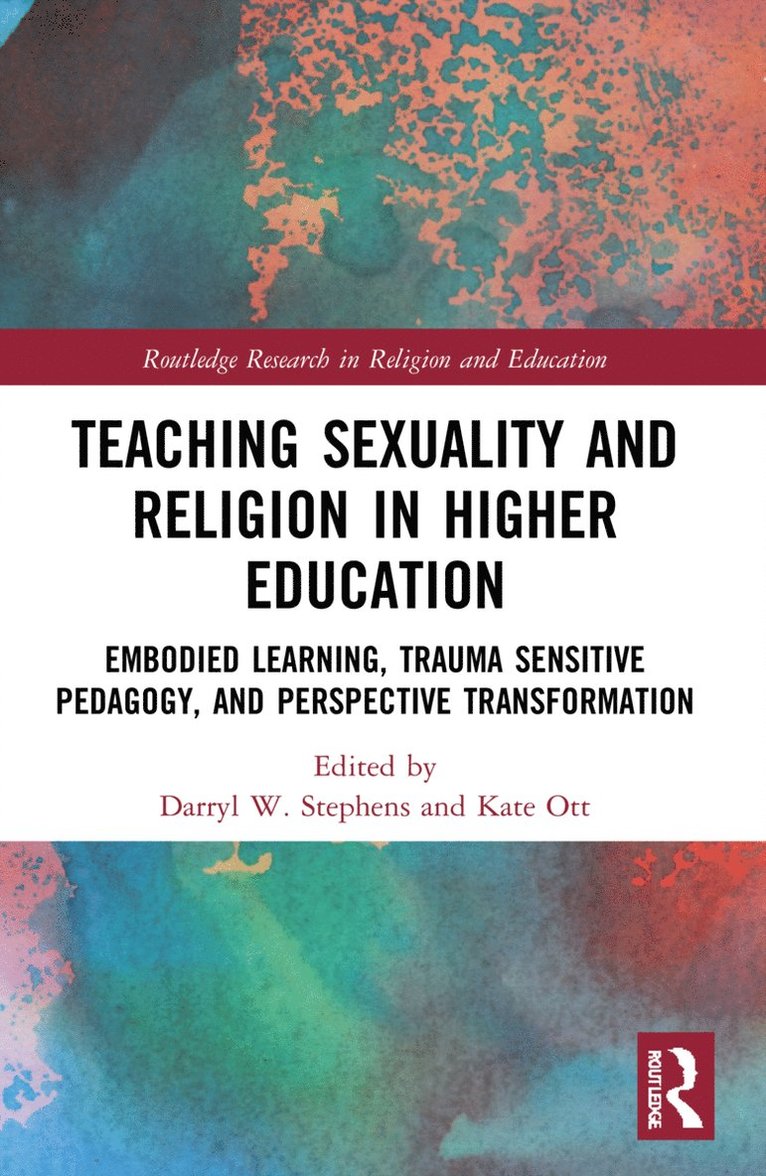
Teaching Sexuality and Religion in Higher Education
Darryl W. Stephens, Kate Ott
Inbunden, 2020
3 209 kr
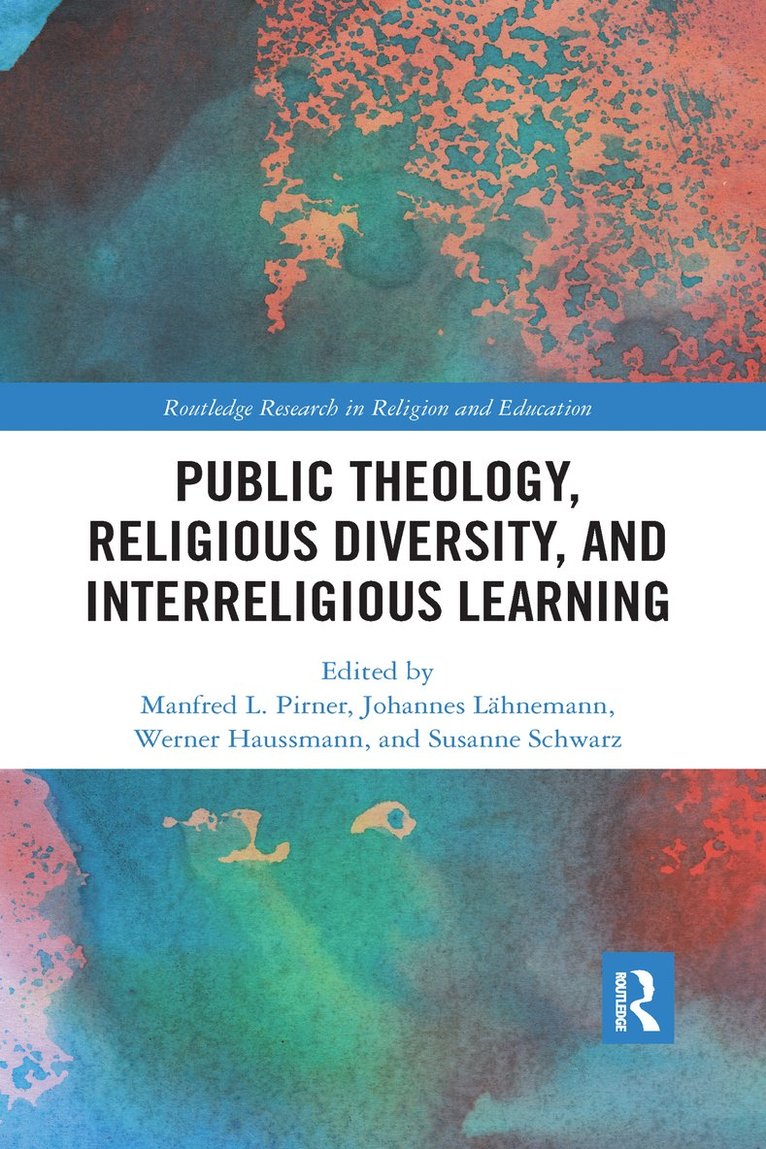
Public Theology, Religious Diversity, and Interreligious Learning
Manfred L. Pirner, Johannes Lahnemann, Werner Haussmann, Susanne Schwarz
Häftad, 2020
829 kr
Hoppa över listan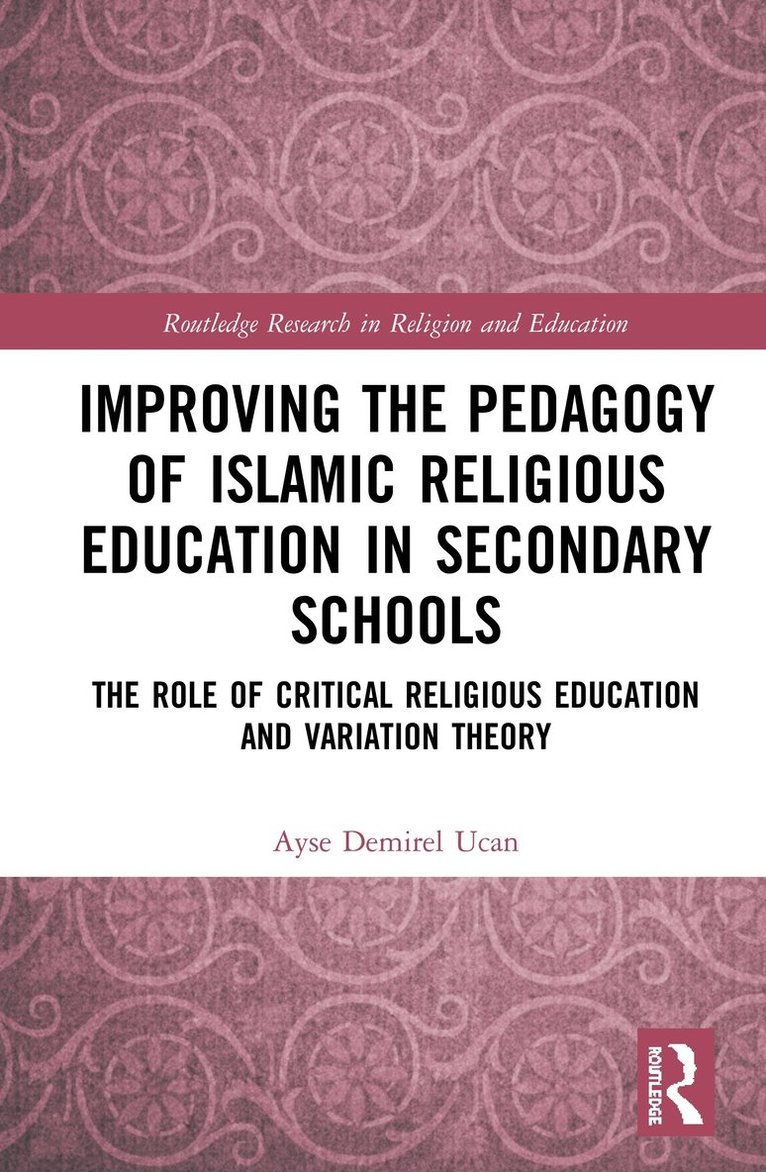







Du kanske också är intresserad av
Improving the Pedagogy of Islamic Religious Education in Secondary Schools
Ayse Demirel Ucan
Inbunden, 2019
3 209 kr
- Nyhet
Del 3
- Nyhet
Del 11
- Nyhet
Del 6
Del 1
- Nyhet
Del 4
Del 3
Del 2