
Del 61 i serien Medieval and Early Modern Iberian World
Imaginary Synagogue: Anti-Jewish Literature in the Portuguese Early Modern World (16th-18th Centuries)
Inbunden, Engelska, 2015
2 909 kr
Beställningsvara. Skickas inom 5-8 vardagar. Fri frakt för medlemmar vid köp för minst 249 kr.
This book scrutinizes literary works based on Judaism, Jews and their descendants, written or printed by the Portuguese, from the forced conversion of Jews in 1497, until the ending of the distinction between New and Old Christians in 1773. It tries to understand what motivated this vast literary production, its different currents, and how they evolved. Additionally, it studies the image of New Christians and seeks the reasons for the perpetuation of this perception of Jewish descendants in the Early Modern Portuguese world. The Imaginary Synagogue seeks to identify which Jews and which ‘synagogue’ those authors constructed in their texts and their reasons for doing so, and offers conclusions on the self-affirmed Catholic importance of this literary current.
Produktinformation
- Utgivningsdatum2015-08-27
- Mått155 x 235 x 17 mm
- Vikt466 g
- FormatInbunden
- SpråkEngelska, Portugisiska
- SerieMedieval and Early Modern Iberian World
- Antal sidor206
- FörlagBrill
- ISBN9789004264106
Tillhör följande kategorier
Hoppa över listan
Du kanske också är intresserad av
Del 39
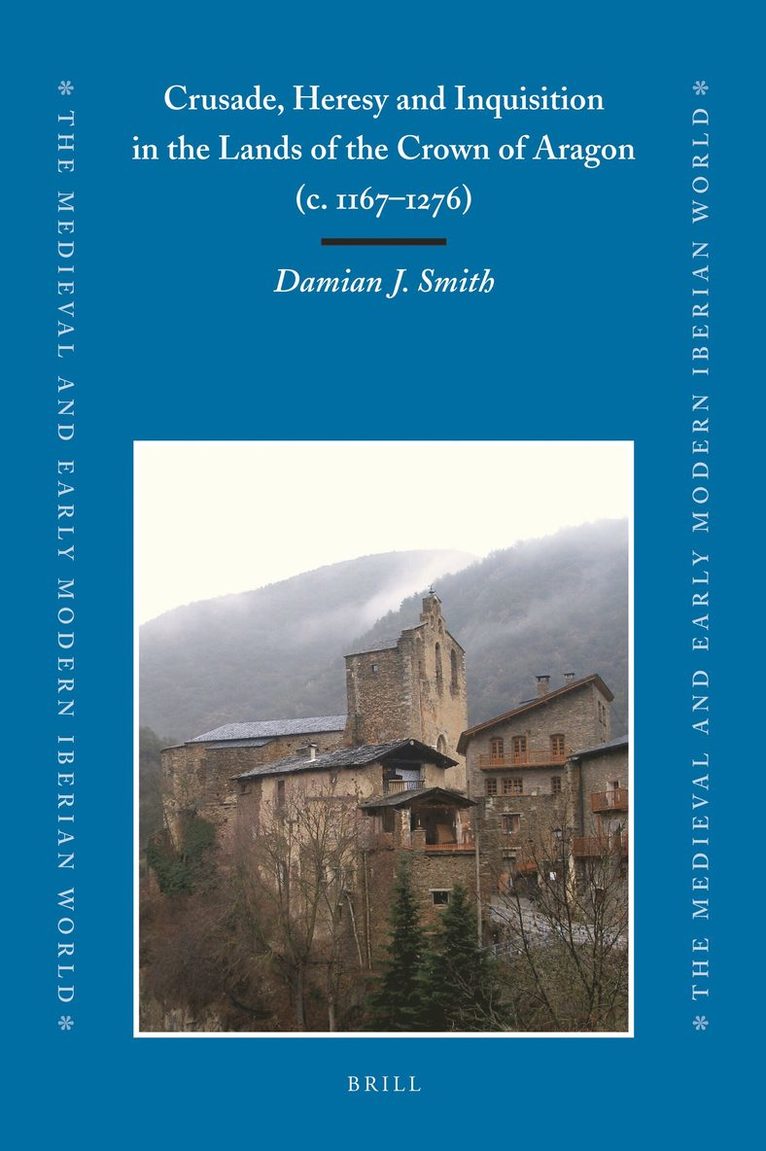
Crusade, Heresy and Inquisition in the Lands of the Crown of Aragon, c. 1167-1276
Damian Smith
Inbunden, 2010
3 109 kr
Del 71
Del 54
Del 36
Del 82
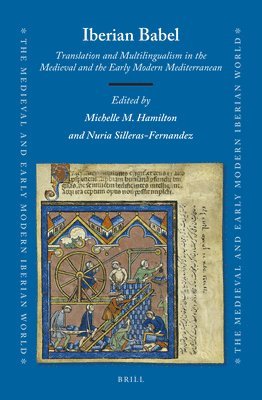
Iberian Babel: Translation and Multilingualism in the Medieval and the Early Modern Mediterranean
Michelle M. Hamilton
Inbunden, 2022
2 399 kr
Del 37
Del 81
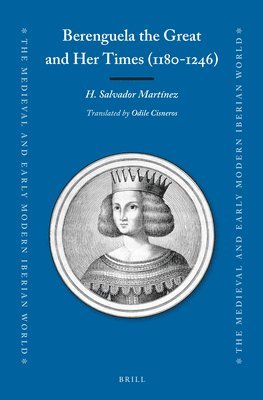
Berenguela the Great and Her Times (1180-1246)
Salvador H. Martínez, Odile Cisneros
Inbunden, 2021
4 749 kr
Del 66
Del 58