
Del 27 i serien Explorations in Medieval Culture
Humans and Other Animals in the Middle Ages
An Introduction and Reader
Inbunden, Engelska, 2025
3 539 kr
Beställningsvara. Skickas inom 3-6 vardagar. Fri frakt för medlemmar vid köp för minst 249 kr.
This sourcebook serves both as an introduction and a wide-ranging reference work for human attitudes to nonhuman animals in Latin Europe during the Middle Ages. Under twelve headings, it includes numerous translated passages from Latin and vernacular texts that reflect human conceptions and uses of other animals during the period 300-1520. Theologians, philosophers, encyclopaedists, bestiarists, hagiographers, chroniclers, huntsmen and writers of agricultural manuals, cookbooks and plague treatises all had something to say about the place of nonhuman animals in their world and their interaction with humans, or simply recorded incidentally what they did in their writings. All are represented here.
Produktinformation
- Utgivningsdatum2025-03-21
- Mått155 x 235 x 43 mm
- Vikt1 511 g
- FormatInbunden
- SpråkEngelska
- SerieExplorations in Medieval Culture
- Antal sidor738
- FörlagBrill
- ISBN9789004720848
Tillhör följande kategorier
Hoppa över listan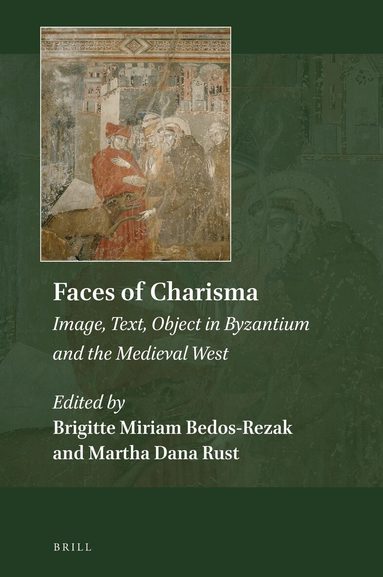




Mer från samma serie
Del 9
Faces of Charisma: Image, Text, Object in Byzantium and the Medieval West
Brigitte Miriam Bedos-Rezak
Inbunden, 2018
3 669 kr
Del 1
Del 2
Del 7
Del 6
Royal and Elite Households in Medieval and Early Modern Europe
Theresa Earenfight
Inbunden, 2018
3 929 kr
Del 4
Del 5
Del 13
Del 15
Del 3
Hoppa över listan

Du kanske också är intresserad av
- Nyhet
Del 7
Del 15
Del 13
Del 3
Del 3
Del 2
Del 4
Del 21
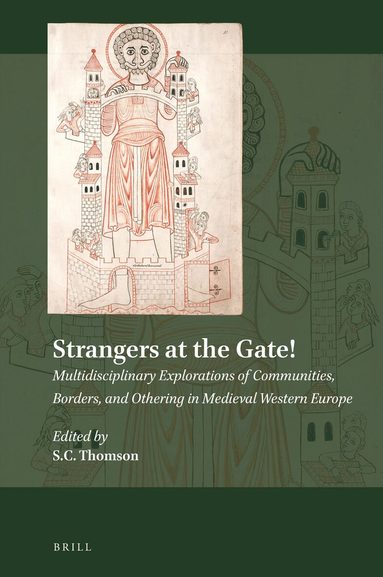
Strangers at the Gate! Multidisciplinary Explorations of Communities, Borders, and Othering in Medieval Western Europe
Simon C. Thomson
Inbunden, 2022
3 029 kr
Del 1