
Del i serien Reference Books In International Education
Hegemonies Compared
State Formation and Chinese School Politics in Postwar Singapore and Hong Kong
Inbunden, Engelska, 2002
949 kr
Beställningsvara. Skickas inom 10-15 vardagar. Fri frakt för medlemmar vid köp för minst 249 kr.
Finns i fler format (1)
This book explores the impact of cultural identity, the internal configurations of the educational field, and the struggles both inside and outside the educational systems of post-World War II Singapore and Hong Kong. By comparing the school politics of these two nations, Wong generates a theory that illuminates connections between state formation, education, and hegemony in countries with dissimilar cultural makeups.
Produktinformation
- Utgivningsdatum2002-04-24
- Mått152 x 229 x 21 mm
- Vikt589 g
- FormatInbunden
- SpråkEngelska
- SerieReference Books In International Education
- Antal sidor304
- FörlagTaylor & Francis Ltd
- ISBN9780415933131
Tillhör följande kategorier
Hoppa över listan

Mer från samma serie
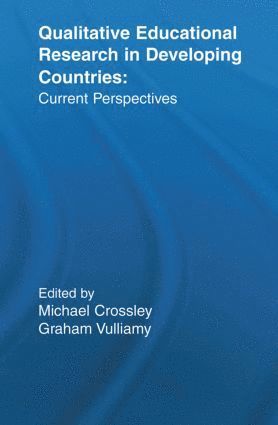
Qualitative Educational Research in Developing Countries
Michael Crossley, Graham Vulliamy
Häftad, 2011
949 kr
Hoppa över listan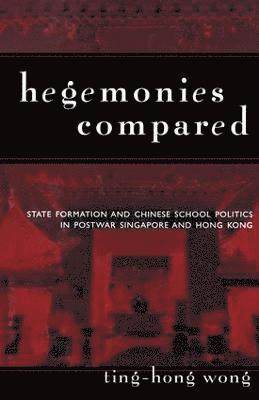






Du kanske också är intresserad av
- Nyhet
Del 3
- Nyhet
Del 11
- Nyhet
Del 6
- Nyhet
Del 4
Del 3
Del 1
Del 2
Del 7
- Nyhet