
Del 157
Del i serien PLURAL PUBLISHING
Hearing
Anatomy, Physiology, and Disorders of the Auditory System
Inbunden, Engelska, 2011
3 149 kr
Beställningsvara. Skickas inom 7-10 vardagar. Fri frakt för medlemmar vid köp för minst 249 kr.
Hearing: Anatomy, Physiology and Disorders of the Auditory System, Third Edition, provides detailed information about the anatomy and physiology of the entire auditory system and describes important aspects of disorders of the middle ear, the cochlea, and the nervous system in a comprehensive manner. It has become apparent that the function of the ear affects the function of the auditory nervous system, and that pathologies of the peripheral parts of the auditory system can affect the function of the nervous system, and vice versa. The classical separation of the auditory system in peripheral and central parts is therefore no longer valid. This book integrates descriptions of disorders of the ear and the nervous system and provides a comprehensive coverage of anatomy and physiology of the entire auditory system; it also introduces the role of neural plasticity in creating symptoms of diseases of hearing such as tinnitus, hyperacusis and phonophobia. A separate chapter discuses cochlear and auditory brainstem implants.
Produktinformation
- Utgivningsdatum2011-10-01
- Mått216 x 279 x 28 mm
- Vikt1 247 g
- FormatInbunden
- SpråkEngelska
- SeriePLURAL PUBLISHING
- Antal sidor432
- Upplaga3
- FörlagPlural Publishing Inc
- ISBN9781597564274
Tillhör följande kategorier
Hoppa över listan
Mer från samma författare
Del 166
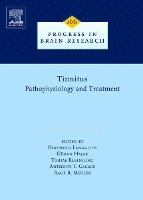
Tinnitus: Pathophysiology and Treatment
Aage R. Moller, Berthold Langguth, Goran Hajak, Tobias Kleinjung, Anthony Cacace
Inbunden, 2007
4 239 kr
Hoppa över listan







Mer från samma serie
Anatomy & Physiology for Speech, Language, and Hearing
J. Anthony Seikel, David G. Drumright
Inbunden, 2023
3 519 kr
Pediatric Swallowing and Feeding
Joan C. Arvedson, Linda Brodsky, Maureen A. Lefton-Greif
Häftad, 2019
1 569 kr
Communication Development and Disorders for Partners in Service
Cheryl D. Gunter, Mareile A. Koenig
Häftad, 2010
2 059 kr
Hoppa över listan






Du kanske också är intresserad av
Del 157
Del 166
Tinnitus: Pathophysiology and Treatment
Aage R. Moller, Berthold Langguth, Goran Hajak, Tobias Kleinjung, Anthony Cacace
Inbunden, 2007
4 239 kr
- Nyhet
Del 3
- Nyhet
- Nyhet
Del 6
- Nyhet
Del 7
- Nyhet
Del 11
- Nyhet
Del 4
- Nyhet