
Del 7 i serien Society for the Study of Nineteenth Century Ireland
Happiness in Nineteenth-Century Ireland
Inbunden, Engelska, 2021
2 739 kr
Beställningsvara. Skickas inom 5-8 vardagar. Fri frakt för medlemmar vid köp för minst 249 kr.
One of the most enduring tropes of modern Irish history is the MOPE thesis, the idea that the Irish were the Most Oppressed People Ever. Political oppression, forced emigration and endemic poverty have been central to the historiography of nineteenth-century Ireland. This volume problematises the assumption of generalised misery and suggests the many different, and often surprising, ways in which Irish people sought out, expressed and wrote about happiness. Bringing together an international group of established and emerging scholars, this volume considers the emerging field of the history of emotion and what a history of happiness in Ireland might look like. During the nineteenth century the concept of happiness denoted a degree of luck or good fortune, but equally was associated with the positive feelings produced from living a good and moral life. Happiness could be found in achieving wealth, fame or political success, but also in the relief of lulling a crying baby to sleep. Reading happiness in historical context indicates more than a simple expression of contentment. In personal correspondence, diaries and novels, the expression of happiness was laden with the expectations of audience and author and informed by cultural ideas about what one could or should be happy about. This volume explores how the idea of happiness shaped social, literary, architectural and aesthetic aspirations across the century. CONTRIBUTORS: Ian d'Alton, Shannon Devlin, Anne Dolan, Simon Gallaher, Paul Huddie, Kerron Ó Luain, David McCready, Ciara Thompson, Andrew Tierney, Kristina Varade, Mai Yatani
Produktinformation
- Utgivningsdatum2021-02-13
- Mått163 x 239 x 24 mm
- Vikt514 g
- FormatInbunden
- SpråkEngelska
- SerieSociety for the Study of Nineteenth Century Ireland
- Antal sidor248
- FörlagLiverpool University Press
- ISBN9781800348257
Tillhör följande kategorier
Hoppa över listan

Mer från samma serie
Del 1
Del 3
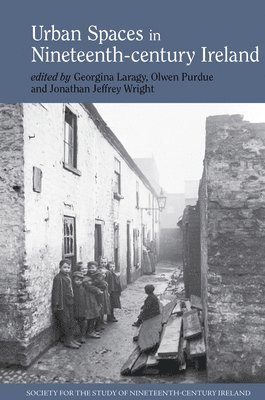
Urban Spaces in Nineteenth-Century Ireland
Georgina Laragy, Olwen Purdue, Jonathan Jeffrey Wright
Inbunden, 2018
2 829 kr
Del 4
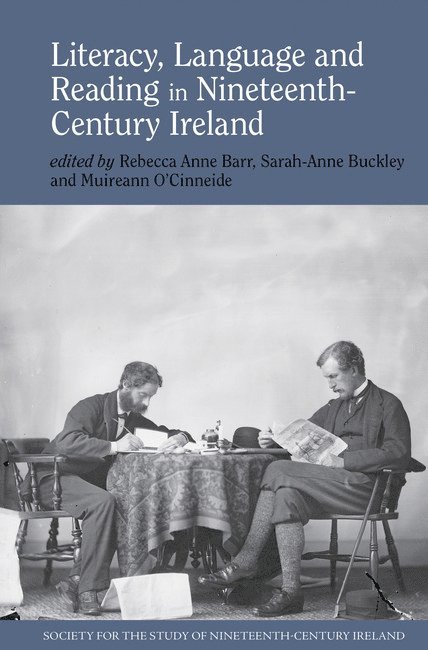
Literacy, Language and Reading in Nineteenth-Century Ireland
Rebecca Anne Barr, Sarah-Anne Buckley, Muireann O’Cinneide
Inbunden, 2019
3 059 kr
Del 5
Del 6
Figures of Authority in Nineteenth-Century Ireland
Raphaël Ingelbien, Susan Galavan
Inbunden, 2020
2 239 kr
Del 4
Literacy, Language and Reading in Nineteenth-Century Ireland
Rebecca Anne Barr, Sarah-Anne Buckley, Muireann O’Cinneide
Häftad, 2022
799 kr
Del 2
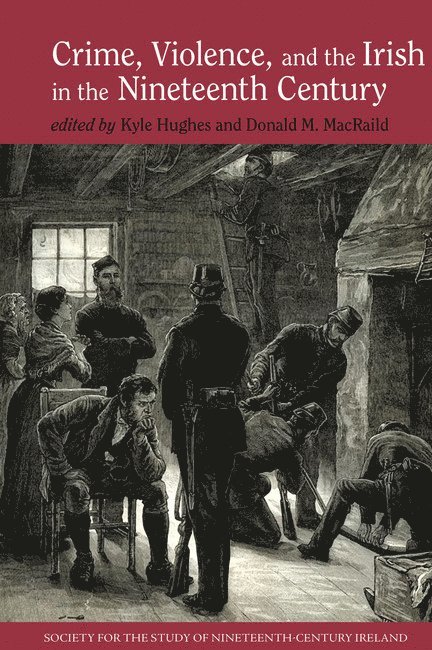
Crime, Violence and the Irish in the Nineteenth Century
Kyle Hughes, Donald MacRaild
Häftad, 2021
779 kr
Del 3
Urban Spaces in Nineteenth-Century Ireland
Georgina Laragy, Olwen Purdue, Jonathan Jeffrey Wright
Häftad, 2021
719 kr
Del 8
Del 5
Hoppa över listan

Du kanske också är intresserad av
Del 1
Del 8
Del 3
Urban Spaces in Nineteenth-Century Ireland
Georgina Laragy, Olwen Purdue, Jonathan Jeffrey Wright
Inbunden, 2018
2 829 kr
Del 5
Del 4
Literacy, Language and Reading in Nineteenth-Century Ireland
Rebecca Anne Barr, Sarah-Anne Buckley, Muireann O’Cinneide
Inbunden, 2019
3 059 kr
Del 10
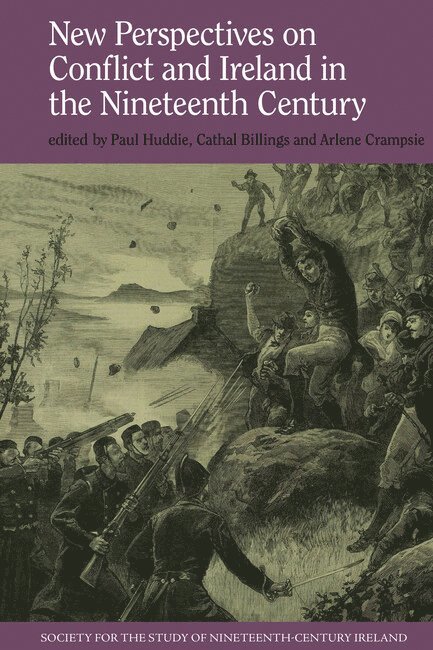
New Perspectives on Conflict and Ireland in the Nineteenth Century
Paul Huddie, Paul Huddie, Cathal Billings, Arlene Crampsie
Inbunden, 2025
2 529 kr
Del 5
- Nyhet
Del 9