
Del i serien Mind, Meaning and Metaphysics
Growing-Block View
Philosophy of Time, Change, and the Open Future
Häftad, Engelska, 2026
639 kr
Kommande
Finns i fler format (1)
What makes time interesting and what is time? Graeme A. Forbes presents a robust defence of the metaphysical asymmetry between past and future, providing a compelling argument for the acceptance of the Growing-Block view.Taking us from the armchair to philosophy of physics, and then out to the human world Forbes considers the ontological questions that have been the focus of most of the literature on the metaphysics of time.Across three parts, he addresses questions central to the philosophy of time. Part I asks why we should think that time does something that space does not; Part II examines why we should think that the past differs in some metaphysically interesting way from the future and Part III shows why we should accept the Growing-Block view – the view on which the past exists, the future doesn’t, and the passage of time is causation bringing about events in accordance with the laws of nature. This wide-ranging and engaging exploration of persistence, experience, agency, and more, makes a radical contribution to our understanding of the philosophy of time.
Produktinformation
- Utgivningsdatum2026-11-26
- Mått156 x 234 x 17 mm
- Vikt453 g
- FormatHäftad
- SpråkEngelska
- SerieMind, Meaning and Metaphysics
- Antal sidor320
- FörlagBloomsbury Publishing PLC
- ISBN9781350504325
Tillhör följande kategorier
Hoppa över listan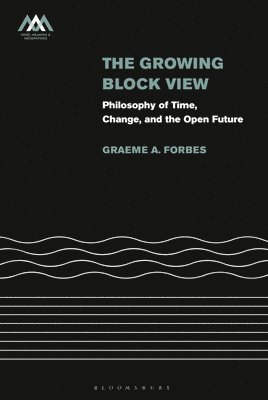




Du kanske också är intresserad av
Frege's Pragmatics
Thorsten Sander, Johannes L. Brandl, Johannes L Brandl, Christopher Gauker, Max Kölbel, Mark Textor
Häftad, 2026
659 kr