
- Nyhet
Group Identities on French and British Television
Inbunden, Engelska, 2003
2 419 kr
Beställningsvara. Skickas inom 5-8 vardagar. Fri frakt för medlemmar vid köp för minst 249 kr.
Advances in audiovisual technology, most notably the advent of the popular usage of digital technology in the last few years, have altered the face of popular television. Thanks to cable, satellite and now digital technology, television broadcasts can reach an international audience. The reaction from cultural critics has been mixed. As the debate concerning the effects of new telecommunications and audiovisual technology continues unabated, this book examines the underlying hypothesis that collective allegiances are moving away from the national paradigm towards the global/local model and provides a balanced appraisal of the depiction of a select number of group identities on television in Britain and France.
Produktinformation
- Utgivningsdatum2003-04-17
- Mått152 x 229 x 15 mm
- Vikt381 g
- FormatInbunden
- SpråkEngelska
- Antal sidor192
- FörlagBerghahn Books, Incorporated
- ISBN9781571817938
Tillhör följande kategorier
Hoppa över listan








Du kanske också är intresserad av
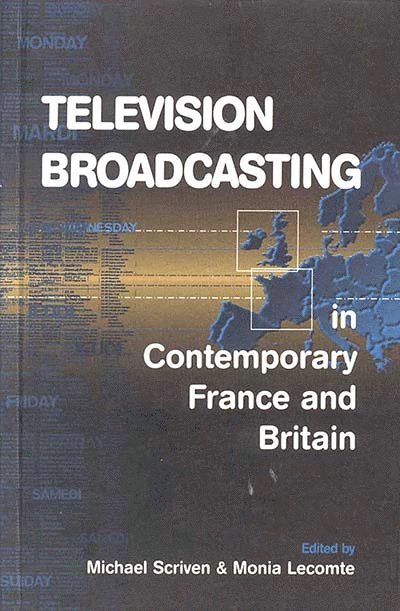
Television Broadcasting in Contemporary France and Britain
Michael Scriven, Monia Lecomte
Häftad, 1999
399 kr
(Re)designing the Continuum of Care for Older Adults
Farhana Ferdous, Emily Roberts
Häftad, 2024
1 039 kr
(Re)designing the Continuum of Care for Older Adults
Farhana Ferdous, Emily Roberts
Inbunden, 2023
1 479 kr